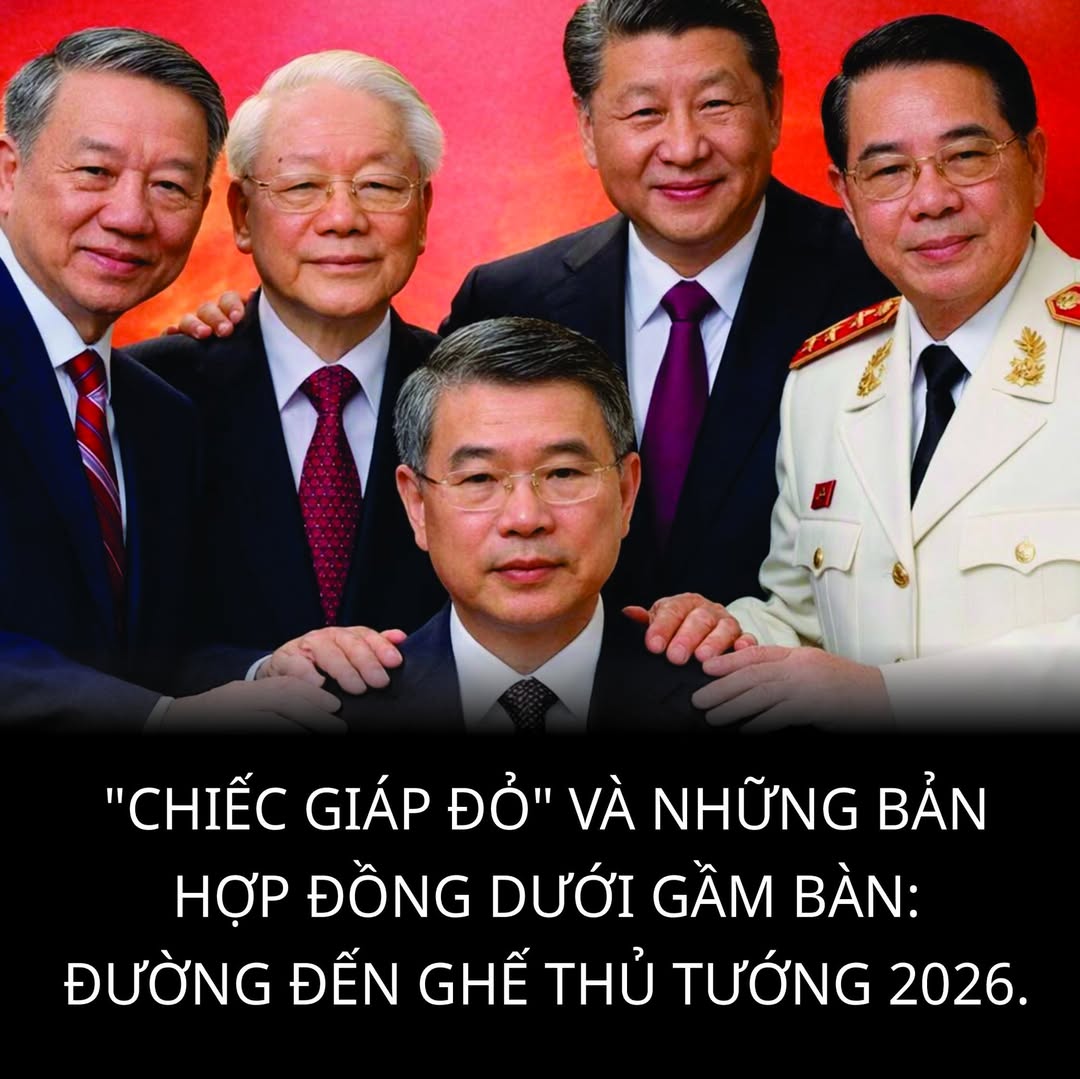
TỨ TRỤ QUYỀN LỰC NGẦM: GIẢI MÃ "BỆ PHÓNG" ĐƯA LÊ MINH HƯNG LÊN GHẾ THỦ TƯỚNG
Sự thăng tiến thần tốc của ông Lê Minh Hưng vào nhóm ứng viên hàng đầu cho ghế Thủ tướng năm 2026 không phải là kết quả của sự ngẫu nhiên, mà là sản phẩm của một ván cờ chính trị được dàn dựng tỉ mỉ bởi bốn thế lực đan xen: Huyết thống, Ngoại lực, Di sản và Thực dụng.
1. Gia thế "Đỏ chót", Lớp giáp bảo vệ tuyệt đối
Xuất thân là con trai cố Bộ trưởng Công an Lê Minh Hương, ông Hưng sở hữu "gen chính trị" và mạng lưới quan hệ bủa vây trong ngành công an. Đây là tấm thẻ thông hành giúp ông vượt qua mọi cuộc thẩm định nhân sự khắt khe nhất, biến ông thành "con nhà nòi" không thể đụng đến.
2. Bóng ma "Hoa Nam" – Dòng chảy ngầm địa chính trị
Giới quan sát cho rằng quá trình học tập tại Thượng Hải là điểm khởi đầu cho mối liên kết ngầm với tình báo phương Bắc. Việc cho phép lưu hành nhân dân tệ tại biên giới khi làm Thống đốc Ngân hàng Nhà nước được xem là "tín hiệu" lấy lòng Bắc Kinh, biến ông thành nhân vật dung hòa được lợi ích của láng giềng trong sơ đồ quyền lực Việt Nam.
3. "Hạt giống đỏ" của Nguyễn Phú Trọng
Cố Tổng Bí thư Nguyễn Phú Trọng đã chọn ông Hưng làm "người gác cổng" tại Văn phòng Trung ương. Với lý lịch sạch và phong cách kín đáo, ông Hưng là quân bài chiến lược để duy trì di sản "đốt lò" và bảo đảm sự tiếp nối của dòng máu cộng sản thuần khiết trong hàng ngũ lãnh đạo trẻ.
4. Ván bài thực dụng của Tô Lâm
Sau năm 2024, quyền lực tập trung vào tay Tô Lâm. Việc nâng đỡ ông Hưng được xem là một thỏa thuận ngầm: Tô Lâm cần một Thủ tướng am hiểu tài chính để vận hành nền kinh tế, đồng thời dùng những "hồ sơ nhạy cảm" quá khứ để khống chế, biến ông Hưng thành một cộng sự đắc lực nhưng dễ kiểm soát trong kỷ nguyên mới.
Chốt hạ: Lê Minh Hưng không lên ngôi nhờ lá phiếu của dân, mà nhờ sự hội tụ của bốn luồng quyền lực: Huyết thống làm nền, Ngoại lực làm đà, Di sản làm vỏ và Thỏa thuận làm đích. Một vị Thủ tướng được nhào nặn từ bóng tối hậu trường liệu sẽ dẫn dắt dân tộc hay chỉ là con tốt trong ván bài của các ông trùm?
Chân dung lãnh đạo
#chandunglanhdao
Sự thăng tiến thần tốc của ông Lê Minh Hưng vào nhóm ứng viên hàng đầu cho ghế Thủ tướng năm 2026 không phải là kết quả của sự ngẫu nhiên, mà là sản phẩm của một ván cờ chính trị được dàn dựng tỉ mỉ bởi bốn thế lực đan xen: Huyết thống, Ngoại lực, Di sản và Thực dụng.
1. Gia thế "Đỏ chót", Lớp giáp bảo vệ tuyệt đối
Xuất thân là con trai cố Bộ trưởng Công an Lê Minh Hương, ông Hưng sở hữu "gen chính trị" và mạng lưới quan hệ bủa vây trong ngành công an. Đây là tấm thẻ thông hành giúp ông vượt qua mọi cuộc thẩm định nhân sự khắt khe nhất, biến ông thành "con nhà nòi" không thể đụng đến.
2. Bóng ma "Hoa Nam" – Dòng chảy ngầm địa chính trị
Giới quan sát cho rằng quá trình học tập tại Thượng Hải là điểm khởi đầu cho mối liên kết ngầm với tình báo phương Bắc. Việc cho phép lưu hành nhân dân tệ tại biên giới khi làm Thống đốc Ngân hàng Nhà nước được xem là "tín hiệu" lấy lòng Bắc Kinh, biến ông thành nhân vật dung hòa được lợi ích của láng giềng trong sơ đồ quyền lực Việt Nam.
3. "Hạt giống đỏ" của Nguyễn Phú Trọng
Cố Tổng Bí thư Nguyễn Phú Trọng đã chọn ông Hưng làm "người gác cổng" tại Văn phòng Trung ương. Với lý lịch sạch và phong cách kín đáo, ông Hưng là quân bài chiến lược để duy trì di sản "đốt lò" và bảo đảm sự tiếp nối của dòng máu cộng sản thuần khiết trong hàng ngũ lãnh đạo trẻ.
4. Ván bài thực dụng của Tô Lâm
Sau năm 2024, quyền lực tập trung vào tay Tô Lâm. Việc nâng đỡ ông Hưng được xem là một thỏa thuận ngầm: Tô Lâm cần một Thủ tướng am hiểu tài chính để vận hành nền kinh tế, đồng thời dùng những "hồ sơ nhạy cảm" quá khứ để khống chế, biến ông Hưng thành một cộng sự đắc lực nhưng dễ kiểm soát trong kỷ nguyên mới.
Chốt hạ: Lê Minh Hưng không lên ngôi nhờ lá phiếu của dân, mà nhờ sự hội tụ của bốn luồng quyền lực: Huyết thống làm nền, Ngoại lực làm đà, Di sản làm vỏ và Thỏa thuận làm đích. Một vị Thủ tướng được nhào nặn từ bóng tối hậu trường liệu sẽ dẫn dắt dân tộc hay chỉ là con tốt trong ván bài của các ông trùm?
Chân dung lãnh đạo
#chandunglanhdao
TỨ TRỤ QUYỀN LỰC NGẦM: GIẢI MÃ "BỆ PHÓNG" ĐƯA LÊ MINH HƯNG LÊN GHẾ THỦ TƯỚNG
Sự thăng tiến thần tốc của ông Lê Minh Hưng vào nhóm ứng viên hàng đầu cho ghế Thủ tướng năm 2026 không phải là kết quả của sự ngẫu nhiên, mà là sản phẩm của một ván cờ chính trị được dàn dựng tỉ mỉ bởi bốn thế lực đan xen: Huyết thống, Ngoại lực, Di sản và Thực dụng.
1. Gia thế "Đỏ chót", Lớp giáp bảo vệ tuyệt đối
Xuất thân là con trai cố Bộ trưởng Công an Lê Minh Hương, ông Hưng sở hữu "gen chính trị" và mạng lưới quan hệ bủa vây trong ngành công an. Đây là tấm thẻ thông hành giúp ông vượt qua mọi cuộc thẩm định nhân sự khắt khe nhất, biến ông thành "con nhà nòi" không thể đụng đến.
2. Bóng ma "Hoa Nam" – Dòng chảy ngầm địa chính trị
Giới quan sát cho rằng quá trình học tập tại Thượng Hải là điểm khởi đầu cho mối liên kết ngầm với tình báo phương Bắc. Việc cho phép lưu hành nhân dân tệ tại biên giới khi làm Thống đốc Ngân hàng Nhà nước được xem là "tín hiệu" lấy lòng Bắc Kinh, biến ông thành nhân vật dung hòa được lợi ích của láng giềng trong sơ đồ quyền lực Việt Nam.
3. "Hạt giống đỏ" của Nguyễn Phú Trọng
Cố Tổng Bí thư Nguyễn Phú Trọng đã chọn ông Hưng làm "người gác cổng" tại Văn phòng Trung ương. Với lý lịch sạch và phong cách kín đáo, ông Hưng là quân bài chiến lược để duy trì di sản "đốt lò" và bảo đảm sự tiếp nối của dòng máu cộng sản thuần khiết trong hàng ngũ lãnh đạo trẻ.
4. Ván bài thực dụng của Tô Lâm
Sau năm 2024, quyền lực tập trung vào tay Tô Lâm. Việc nâng đỡ ông Hưng được xem là một thỏa thuận ngầm: Tô Lâm cần một Thủ tướng am hiểu tài chính để vận hành nền kinh tế, đồng thời dùng những "hồ sơ nhạy cảm" quá khứ để khống chế, biến ông Hưng thành một cộng sự đắc lực nhưng dễ kiểm soát trong kỷ nguyên mới.
Chốt hạ: Lê Minh Hưng không lên ngôi nhờ lá phiếu của dân, mà nhờ sự hội tụ của bốn luồng quyền lực: Huyết thống làm nền, Ngoại lực làm đà, Di sản làm vỏ và Thỏa thuận làm đích. Một vị Thủ tướng được nhào nặn từ bóng tối hậu trường liệu sẽ dẫn dắt dân tộc hay chỉ là con tốt trong ván bài của các ông trùm?
Chân dung lãnh đạo
#chandunglanhdao