• Wall Street is reeling after a brutal week of trading as U.S. markets reportedly saw more than $2 trillion in value wiped out since Monday morning. Investors have grown increasingly nervous amid economic uncertainty and rising global tensions, triggering a widespread sell-off across major indices like the S&P 500, Dow Jones Industrial Average, and NASDAQ Composite.
    Analysts say the sharp downturn reflects fears about inflation pressures, geopolitical instability, and the possibility of slower economic growth. When markets experience sudden volatility like this, investors often pull money from riskier assets, which can accelerate declines across the financial system.
    Attention is now turning to the Federal Reserve, as financial experts watch closely to see whether policymakers might signal intervention or adjustments to interest rate policy in an effort to stabilize markets. For now, traders remain cautious as they try to determine whether the current sell-off is a temporary correction or the beginning of a deeper financial downturn.
    #Headlines360 #StockMarket #WallStreet #EconomyNews #MarketVolatility #BreakingNews #FinancialMarkets #GlobalEconomy

    Wall Street is reeling after a brutal week of trading as U.S. markets reportedly saw more than $2 trillion in value wiped out since Monday morning. Investors have grown increasingly nervous amid economic uncertainty and rising global tensions, triggering a widespread sell-off across major indices like the S&P 500, Dow Jones Industrial Average, and NASDAQ Composite. Analysts say the sharp downturn reflects fears about inflation pressures, geopolitical instability, and the possibility of slower economic growth. When markets experience sudden volatility like this, investors often pull money from riskier assets, which can accelerate declines across the financial system. Attention is now turning to the Federal Reserve, as financial experts watch closely to see whether policymakers might signal intervention or adjustments to interest rate policy in an effort to stabilize markets. For now, traders remain cautious as they try to determine whether the current sell-off is a temporary correction or the beginning of a deeper financial downturn. #Headlines360 #StockMarket #WallStreet #EconomyNews #MarketVolatility #BreakingNews #FinancialMarkets #GlobalEconomy
    Like
    Love
    Wow
    3
    · 0 Commentarii ·0 Distribuiri ·4K Views ·0 previzualizare
  • The adjustment knob found at my gym
    The adjustment knob found at my gym
    Like
    Love
    Wow
    3
    · 0 Commentarii ·0 Distribuiri ·133K Views ·0 previzualizare
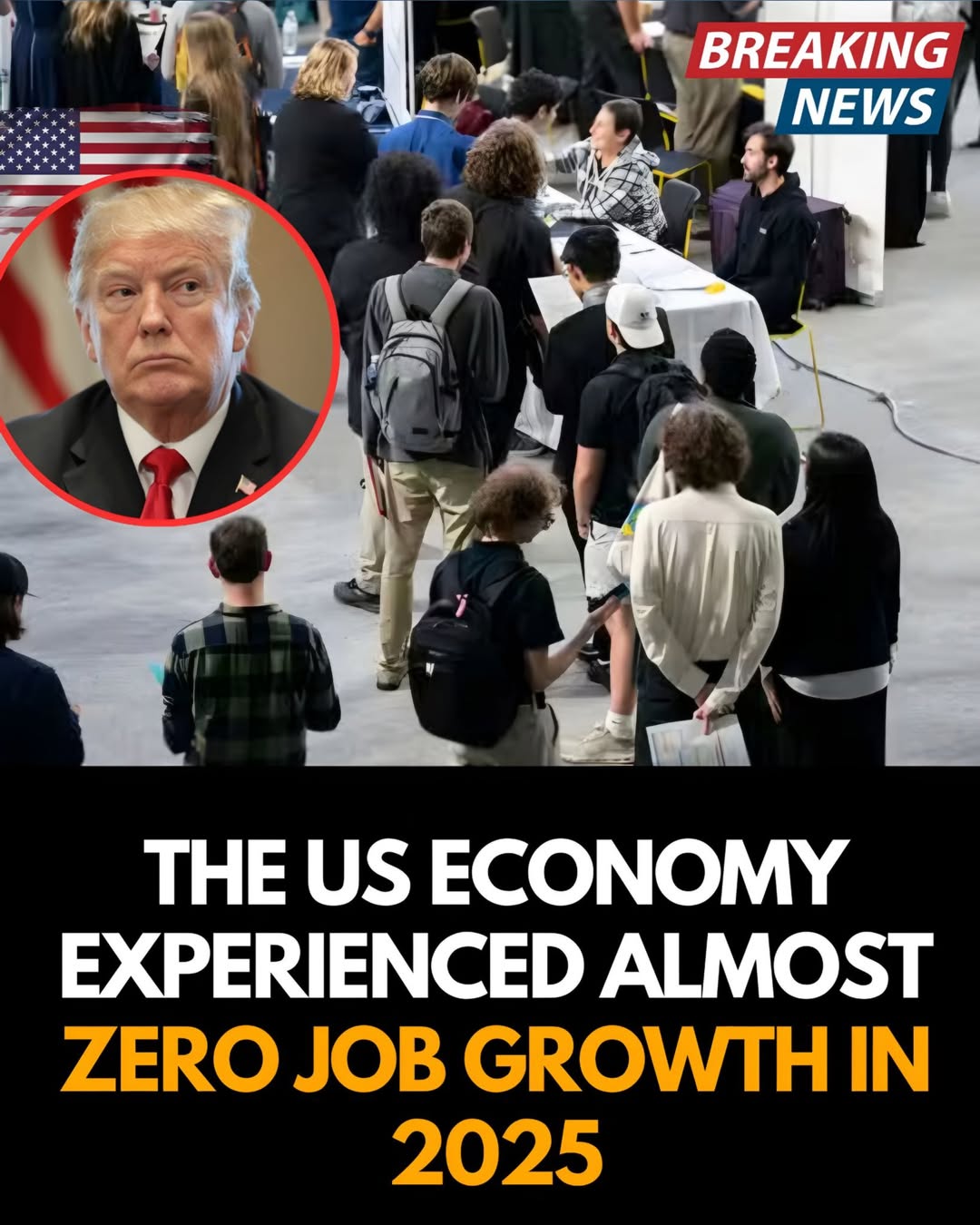
  • Recent economic reports have indicated that job growth in the United States during 2025 was considerably slower than in previous years, with several analysts describing the pace as near stagnation. Official data from agencies like the Bureau of Labor Statistics will eventually provide the most detailed picture, with breakdowns by month, industry, and demographic groups.
    Slower job growth can stem from a mix of influences — persistently higher interest rates, reduced consumer demand, challenges in global trade, accelerating automation, and shifts in corporate hiring strategies are all factors that can cool employment momentum. In some cases, hiring may flatten even while the official unemployment rate stays relatively stable, especially if people stop looking for work or labor force participation changes.
    Economists typically look at a broader set of indicators beyond headline job growth to gauge the health of the labor market, including wage trends, labor force participation, small business hiring, and sector-specific performance. A slowdown in hiring does not automatically mean a recession is imminent, but it can signal softening economic conditions if paired with weakness in other areas.
    Policy responses — whether from fiscal authorities in Congress or through adjustments in monetary policy by the Federal Reserve — will likely depend on whether the slowdown persists and how other economic indicators evolve over time.
    #USEconomy #JobsReport #EconomicUpdate #LaborMarket #BLS #BreakingNews #EmploymentTrends
    Recent economic reports have indicated that job growth in the United States during 2025 was considerably slower than in previous years, with several analysts describing the pace as near stagnation. Official data from agencies like the Bureau of Labor Statistics will eventually provide the most detailed picture, with breakdowns by month, industry, and demographic groups. Slower job growth can stem from a mix of influences — persistently higher interest rates, reduced consumer demand, challenges in global trade, accelerating automation, and shifts in corporate hiring strategies are all factors that can cool employment momentum. In some cases, hiring may flatten even while the official unemployment rate stays relatively stable, especially if people stop looking for work or labor force participation changes. Economists typically look at a broader set of indicators beyond headline job growth to gauge the health of the labor market, including wage trends, labor force participation, small business hiring, and sector-specific performance. A slowdown in hiring does not automatically mean a recession is imminent, but it can signal softening economic conditions if paired with weakness in other areas. Policy responses — whether from fiscal authorities in Congress or through adjustments in monetary policy by the Federal Reserve — will likely depend on whether the slowdown persists and how other economic indicators evolve over time. #USEconomy #JobsReport #EconomicUpdate #LaborMarket #BLS #BreakingNews #EmploymentTrends
    Like
    Love
    Wow
    3
    · 0 Commentarii ·0 Distribuiri ·5K Views ·0 previzualizare
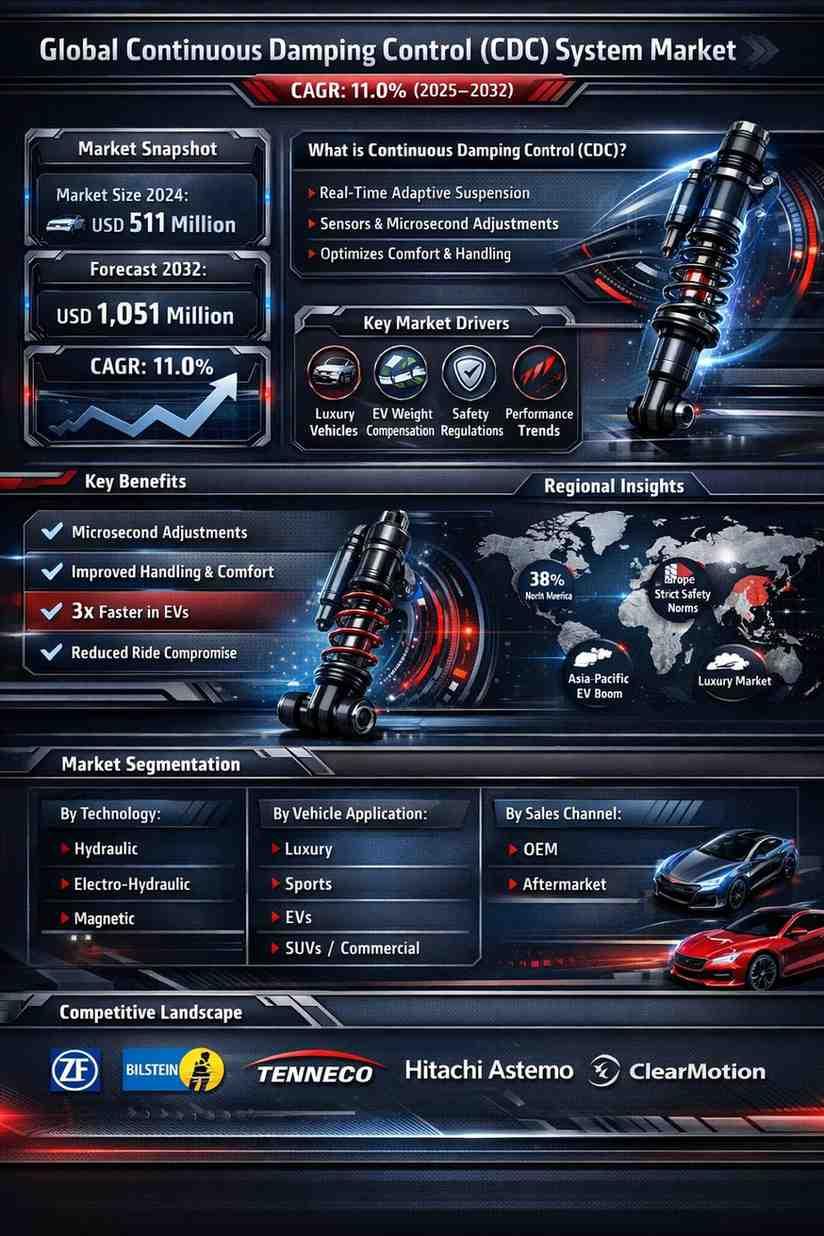
  • Global Continuous Damping Control (CDC) System Market – 11.0% CAGR (2025–2032)
    global Continuous Damping Control (CDC) system market is witnessing robust growth, driven by the rising demand for premium and electric vehicles, advancements in adaptive suspension technology, and stricter vehicle safety regulations. CDC systems enable real-time, microsecond-level adjustments to suspension damping, delivering optimal ride comfort, handling, and road contact across diverse driving conditions. This technology enhances performance in luxury, sports, and EV segments, helping automakers differentiate through superior driving experience.
    Global Continuous Damping Control (CDC) System Market – 11.0% CAGR (2025–2032) global Continuous Damping Control (CDC) system market is witnessing robust growth, driven by the rising demand for premium and electric vehicles, advancements in adaptive suspension technology, and stricter vehicle safety regulations. CDC systems enable real-time, microsecond-level adjustments to suspension damping, delivering optimal ride comfort, handling, and road contact across diverse driving conditions. This technology enhances performance in luxury, sports, and EV segments, helping automakers differentiate through superior driving experience.
    0 Commentarii ·0 Distribuiri ·2K Views ·0 previzualizare
  • I thought this face pre-jaw adjustment looked familiar
    I thought this face pre-jaw adjustment looked familiar
    Like
    Love
    Wow
    3
    · 0 Commentarii ·0 Distribuiri ·96K Views ·0 previzualizare
Sponsorizeaza Paginile