• Representative Anna Paulina Luna (R-FL) issued a harsh critique of Congress, calling for institutional reform and expressing frustration with what she describes as misconduct among her colleagues. In her statement, Luna characterized the legislative body as fundamentally broken and in need of significant changes.

    The Florida congresswoman's comments reflect growing tensions within Congress and echo sentiments expressed by various members across party lines about institutional dysfunction. Her call for a "complete overhaul" suggests support for structural reforms to address ethical concerns and operational inefficiencies.

    Luna's statement comes amid ongoing debates about congressional ethics, transparency, and accountability measures. Her criticism highlights the challenges facing an institution that has seen declining public approval ratings and increased partisan tensions in recent years.

    The representative's remarks add to a broader conversation about congressional reform that has gained momentum among both newer and veteran lawmakers who argue the institution needs modernization to better serve the American people.

    Such direct criticism from within Congress itself underscores the internal pressure for change that many members feel, regardless of their political affiliation, as they work to restore public confidence in the legislative process.
    Representative Anna Paulina Luna (R-FL) issued a harsh critique of Congress, calling for institutional reform and expressing frustration with what she describes as misconduct among her colleagues. In her statement, Luna characterized the legislative body as fundamentally broken and in need of significant changes. The Florida congresswoman's comments reflect growing tensions within Congress and echo sentiments expressed by various members across party lines about institutional dysfunction. Her call for a "complete overhaul" suggests support for structural reforms to address ethical concerns and operational inefficiencies. Luna's statement comes amid ongoing debates about congressional ethics, transparency, and accountability measures. Her criticism highlights the challenges facing an institution that has seen declining public approval ratings and increased partisan tensions in recent years. The representative's remarks add to a broader conversation about congressional reform that has gained momentum among both newer and veteran lawmakers who argue the institution needs modernization to better serve the American people. Such direct criticism from within Congress itself underscores the internal pressure for change that many members feel, regardless of their political affiliation, as they work to restore public confidence in the legislative process.
    Like
    Love
    Wow
    3
    · 0 Reacties ·0 aandelen ·232 Views ·0 voorbeeld
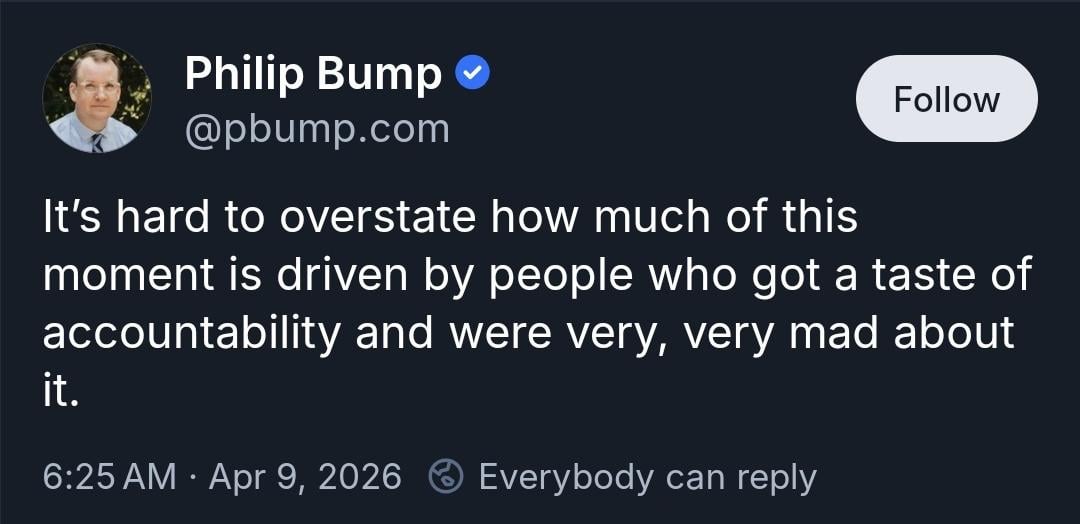
  • There was accountability?
    There was accountability?
    Like
    Love
    Wow
    3
    · 0 Reacties ·0 aandelen ·7K Views ·0 voorbeeld
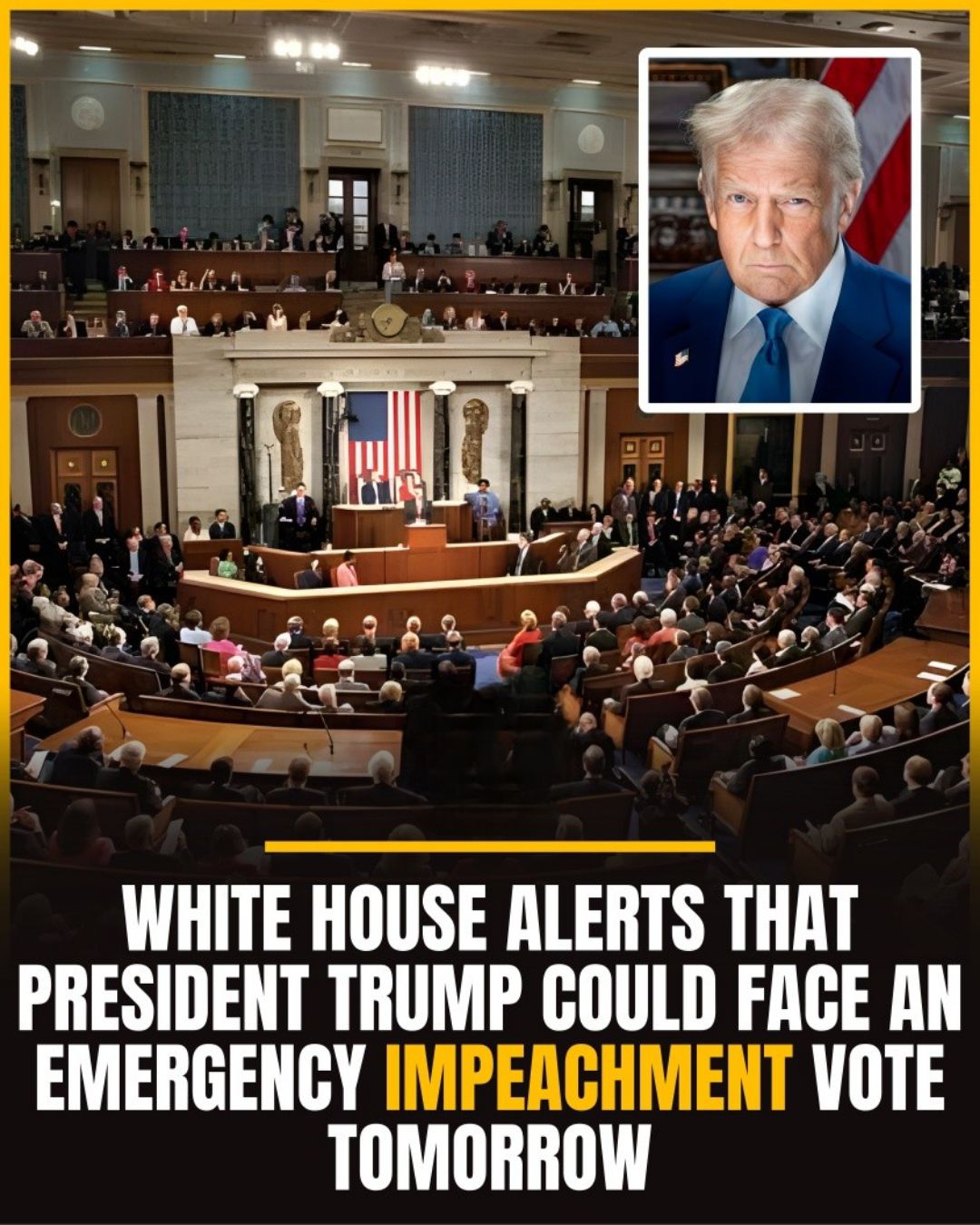
  • A major political development like a group of lawmakers calling for the removal of Donald Trump would likely have a strong ripple effect across United States Congress and the broader political climate. When multiple members publicly push for such action—whether through impeachment discussions or other constitutional mechanisms—it typically increases political tension and draws intense media attention.
    In the short term, moves like this often deepen political divisions. Supporters of the president may rally more strongly behind him, while critics push harder for accountability. This can lead to heated debates, protests, and a surge in public discussion about leadership, constitutional authority, and the limits of executive power. It can also slow down normal legislative work, as lawmakers shift focus from policy-making to investigations or hearings.
    Over the longer term, the impact depends on how much support the effort gains and whether it leads to formal legal or constitutional action. Even without removal, such calls can shape election campaigns, influence public trust in government institutions, and affect relationships between political parties. Situations like this often mark turning points that define political narratives for months—or even years—to come.
    #USPolitics #PoliticalUpdate #CongressNews #BreakingPolitics #WashingtonDC #GovernmentNews #PoliticalDebate #CurrentEvents #Democracy #TrendingNews
    A major political development like a group of lawmakers calling for the removal of Donald Trump would likely have a strong ripple effect across United States Congress and the broader political climate. When multiple members publicly push for such action—whether through impeachment discussions or other constitutional mechanisms—it typically increases political tension and draws intense media attention. In the short term, moves like this often deepen political divisions. Supporters of the president may rally more strongly behind him, while critics push harder for accountability. This can lead to heated debates, protests, and a surge in public discussion about leadership, constitutional authority, and the limits of executive power. It can also slow down normal legislative work, as lawmakers shift focus from policy-making to investigations or hearings. Over the longer term, the impact depends on how much support the effort gains and whether it leads to formal legal or constitutional action. Even without removal, such calls can shape election campaigns, influence public trust in government institutions, and affect relationships between political parties. Situations like this often mark turning points that define political narratives for months—or even years—to come. #USPolitics #PoliticalUpdate #CongressNews #BreakingPolitics #WashingtonDC #GovernmentNews #PoliticalDebate #CurrentEvents #Democracy #TrendingNews
    Like
    Love
    Wow
    3
    · 0 Reacties ·0 aandelen ·1K Views ·0 voorbeeld
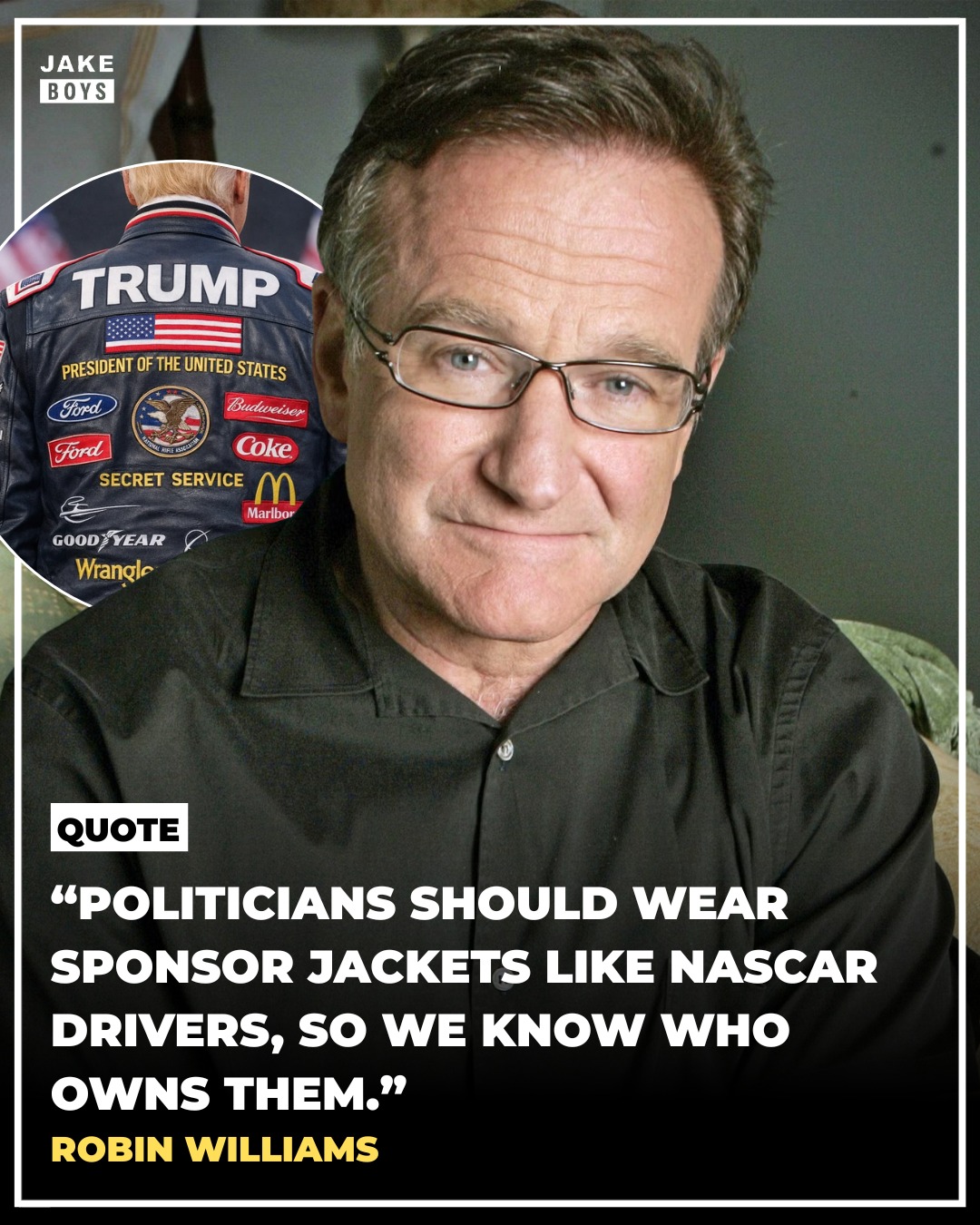
  • The late comedian Robin Williams offered a scathing satirical critique of the perceived influence of money in modern American politics through this analogy to NASCAR sponsorships. His statement suggests a belief that elected officials are beholden to and "owned" by wealthy donors and special interests who provide political funding, much like professional race car drivers are associated with the corporate brands that sponsor their vehicles.

    Williams' comparison invokes the visual imagery of politicians wearing branded "sponsor jackets" to make their financial backers explicit and transparent to the public. This idea underscores the comedian's apparent perception that money has become a corrupting force in the democratic process, with elected representatives serving the interests of their financial supporters rather than the broader electorate.

    By drawing this parallel to NASCAR, Williams taps into the widely recognized commercialization of that sport, where driver uniforms and race cars are plastered with corporate logos. Applying that same dynamic to the political realm reflects a cynical view that elected officials have become little more than mouthpieces for the highest bidders.

    This statement reflects a longstanding debate around the role of money in politics and the degree to which it can distort the functioning of democratic institutions. Williams' sardonic proposal suggests a belief that greater transparency around the financial interests influencing politicians could help restore public trust and accountability.

    Ultimately, this quote represents Williams' effort to call attention, through biting humor, to what he perceived as an unhealthy merger of wealth and political power that undermines the principles of representative government.
    The late comedian Robin Williams offered a scathing satirical critique of the perceived influence of money in modern American politics through this analogy to NASCAR sponsorships. His statement suggests a belief that elected officials are beholden to and "owned" by wealthy donors and special interests who provide political funding, much like professional race car drivers are associated with the corporate brands that sponsor their vehicles. Williams' comparison invokes the visual imagery of politicians wearing branded "sponsor jackets" to make their financial backers explicit and transparent to the public. This idea underscores the comedian's apparent perception that money has become a corrupting force in the democratic process, with elected representatives serving the interests of their financial supporters rather than the broader electorate. By drawing this parallel to NASCAR, Williams taps into the widely recognized commercialization of that sport, where driver uniforms and race cars are plastered with corporate logos. Applying that same dynamic to the political realm reflects a cynical view that elected officials have become little more than mouthpieces for the highest bidders. This statement reflects a longstanding debate around the role of money in politics and the degree to which it can distort the functioning of democratic institutions. Williams' sardonic proposal suggests a belief that greater transparency around the financial interests influencing politicians could help restore public trust and accountability. Ultimately, this quote represents Williams' effort to call attention, through biting humor, to what he perceived as an unhealthy merger of wealth and political power that undermines the principles of representative government.
    Like
    Love
    Wow
    3
    · 0 Reacties ·0 aandelen ·517 Views ·0 voorbeeld
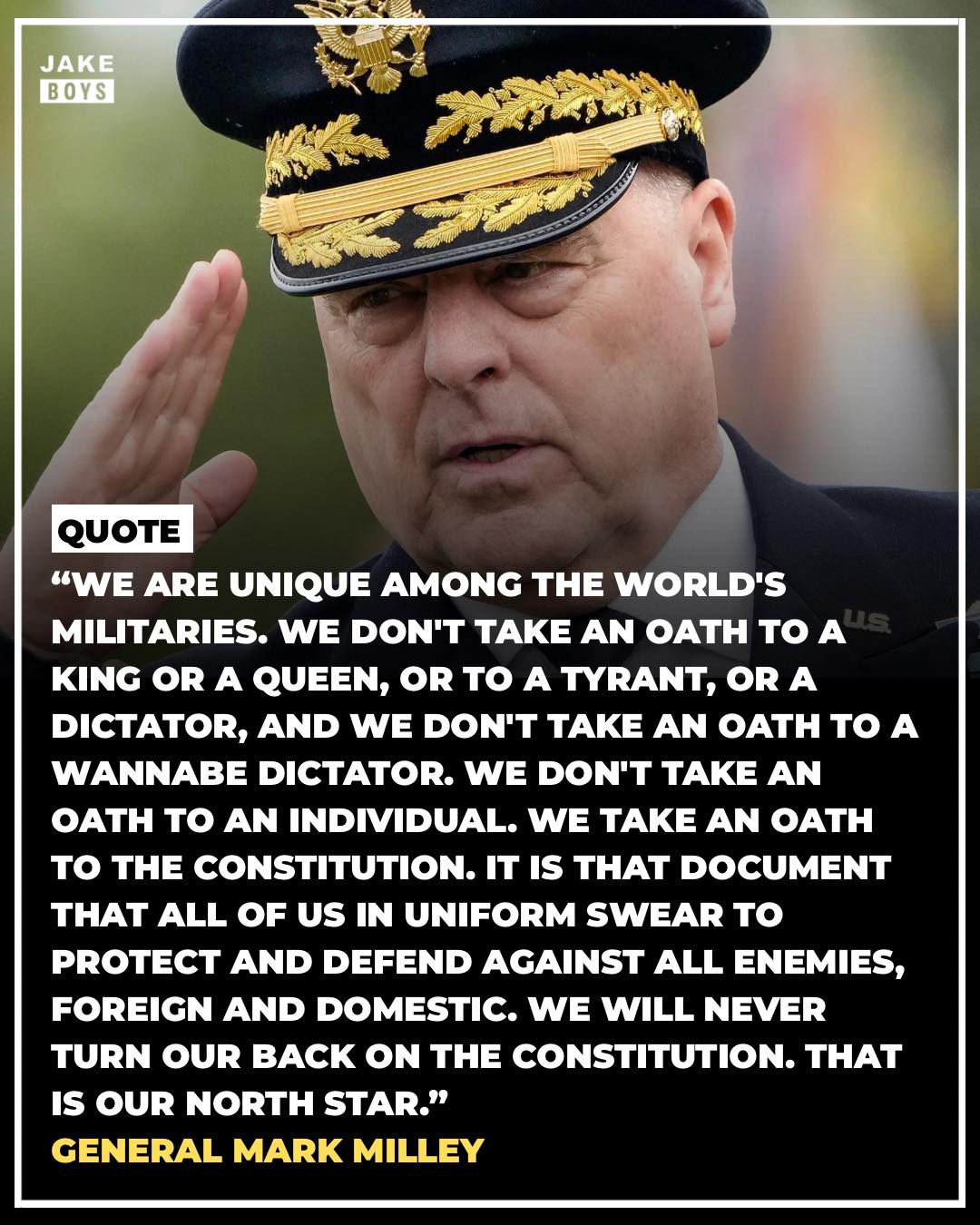
  • Former Chairman of the Joint Chiefs of Staff Mark Milley delivered a powerful reminder of what the U.S. military truly serves — not a person, not a party, but the Constitution.

    In a moment of rising political tension, Milley’s words underscore a core principle of American democracy: that those in uniform swear loyalty to the rule of law, not to any individual leader.

    His statement has taken on renewed significance as debates intensify over presidential power, accountability, and the role of institutions — reinforcing the idea that the Constitution remains the ultimate authority and “North Star” for the nation.
    Former Chairman of the Joint Chiefs of Staff Mark Milley delivered a powerful reminder of what the U.S. military truly serves — not a person, not a party, but the Constitution. In a moment of rising political tension, Milley’s words underscore a core principle of American democracy: that those in uniform swear loyalty to the rule of law, not to any individual leader. His statement has taken on renewed significance as debates intensify over presidential power, accountability, and the role of institutions — reinforcing the idea that the Constitution remains the ultimate authority and “North Star” for the nation.
    Like
    Love
    Wow
    3
    · 0 Reacties ·0 aandelen ·448 Views ·0 voorbeeld
Zoekresultaten