• Renowned author Stephen King issues a dire warning about the potential use of impeachment or the 25th Amendment to remove the sitting U.S. president. King claims he foresaw the rise of a Trump-like figure in his 1979 novel "The Dead Zone," and now believes the next 12-16 months will determine whether the political "machines" for removing an unfit president will be activated.

    King's assessment that the president is "deeply unwell" and unable to fulfill his duties represents a scathing indictment of the current administration. His invocation of impeachment and the 25th Amendment as potential remedies reflects growing concerns among some political observers about the president's mental and physical fitness for office.

    The author's prediction that these extraordinary constitutional measures may be tested in the coming year underscores the deeply polarized and contentious nature of American politics. King's stature as a celebrated novelist lends additional weight to his warnings, which are likely to further inflame partisan tensions.

    This statement aligns with King's history of outspoken political commentary, where he has repeatedly criticized the current president and Republican leadership. His dire forecast about the potential removal of the president is sure to generate significant discussion and debate within the political sphere.

    Ultimately, King's intervention in the ongoing national discourse reflects the degree to which prominent public figures feel compelled to weigh in on the most pressing and divisive issues facing the country. His prediction will undoubtedly shape the political narrative in the months ahead.
    Renowned author Stephen King issues a dire warning about the potential use of impeachment or the 25th Amendment to remove the sitting U.S. president. King claims he foresaw the rise of a Trump-like figure in his 1979 novel "The Dead Zone," and now believes the next 12-16 months will determine whether the political "machines" for removing an unfit president will be activated. King's assessment that the president is "deeply unwell" and unable to fulfill his duties represents a scathing indictment of the current administration. His invocation of impeachment and the 25th Amendment as potential remedies reflects growing concerns among some political observers about the president's mental and physical fitness for office. The author's prediction that these extraordinary constitutional measures may be tested in the coming year underscores the deeply polarized and contentious nature of American politics. King's stature as a celebrated novelist lends additional weight to his warnings, which are likely to further inflame partisan tensions. This statement aligns with King's history of outspoken political commentary, where he has repeatedly criticized the current president and Republican leadership. His dire forecast about the potential removal of the president is sure to generate significant discussion and debate within the political sphere. Ultimately, King's intervention in the ongoing national discourse reflects the degree to which prominent public figures feel compelled to weigh in on the most pressing and divisive issues facing the country. His prediction will undoubtedly shape the political narrative in the months ahead.
    Like
    Love
    Wow
    3
    · 0 Comments ·0 Shares ·693 Views ·0 Reviews
  • Comedian and cannabis activist Tommy Chong makes a provocative statement about gun ownership and intelligence. The actor, best known for his role in the "Cheech and Chong" comedy duo, delivers a blunt assessment that links firearm possession to lower intelligence levels.

    Chong's declaration represents a stark position in the ongoing American debate over gun rights and gun control. By directly questioning the intelligence of gun owners, he takes an inflammatory approach that goes beyond typical policy discussions to make personal judgments about millions of Americans who legally own firearms.

    The statement reflects Chong's counterculture background and liberal political views, which often put him at odds with more conservative positions on issues like gun rights. His comment appears designed to provoke discussion and challenge conventional thinking about firearms in American society.

    This type of sweeping generalization about gun owners is likely to generate significant backlash from Second Amendment advocates and gun rights supporters, who would view such characterizations as elitist and dismissive of their constitutional rights and personal choices.

    Chong's remark exemplifies the polarized nature of gun debates in America, where discussions often devolve into personal attacks rather than substantive policy conversations. His statement contributes to the divisive rhetoric that makes finding common ground on gun issues increasingly difficult.

    The comedian's willingness to make such a controversial statement reflects his history of using humor and provocation to address social and political issues throughout his career.
    Comedian and cannabis activist Tommy Chong makes a provocative statement about gun ownership and intelligence. The actor, best known for his role in the "Cheech and Chong" comedy duo, delivers a blunt assessment that links firearm possession to lower intelligence levels. Chong's declaration represents a stark position in the ongoing American debate over gun rights and gun control. By directly questioning the intelligence of gun owners, he takes an inflammatory approach that goes beyond typical policy discussions to make personal judgments about millions of Americans who legally own firearms. The statement reflects Chong's counterculture background and liberal political views, which often put him at odds with more conservative positions on issues like gun rights. His comment appears designed to provoke discussion and challenge conventional thinking about firearms in American society. This type of sweeping generalization about gun owners is likely to generate significant backlash from Second Amendment advocates and gun rights supporters, who would view such characterizations as elitist and dismissive of their constitutional rights and personal choices. Chong's remark exemplifies the polarized nature of gun debates in America, where discussions often devolve into personal attacks rather than substantive policy conversations. His statement contributes to the divisive rhetoric that makes finding common ground on gun issues increasingly difficult. The comedian's willingness to make such a controversial statement reflects his history of using humor and provocation to address social and political issues throughout his career.
    Like
    Love
    Wow
    3
    · 0 Comments ·0 Shares ·524 Views ·0 Reviews
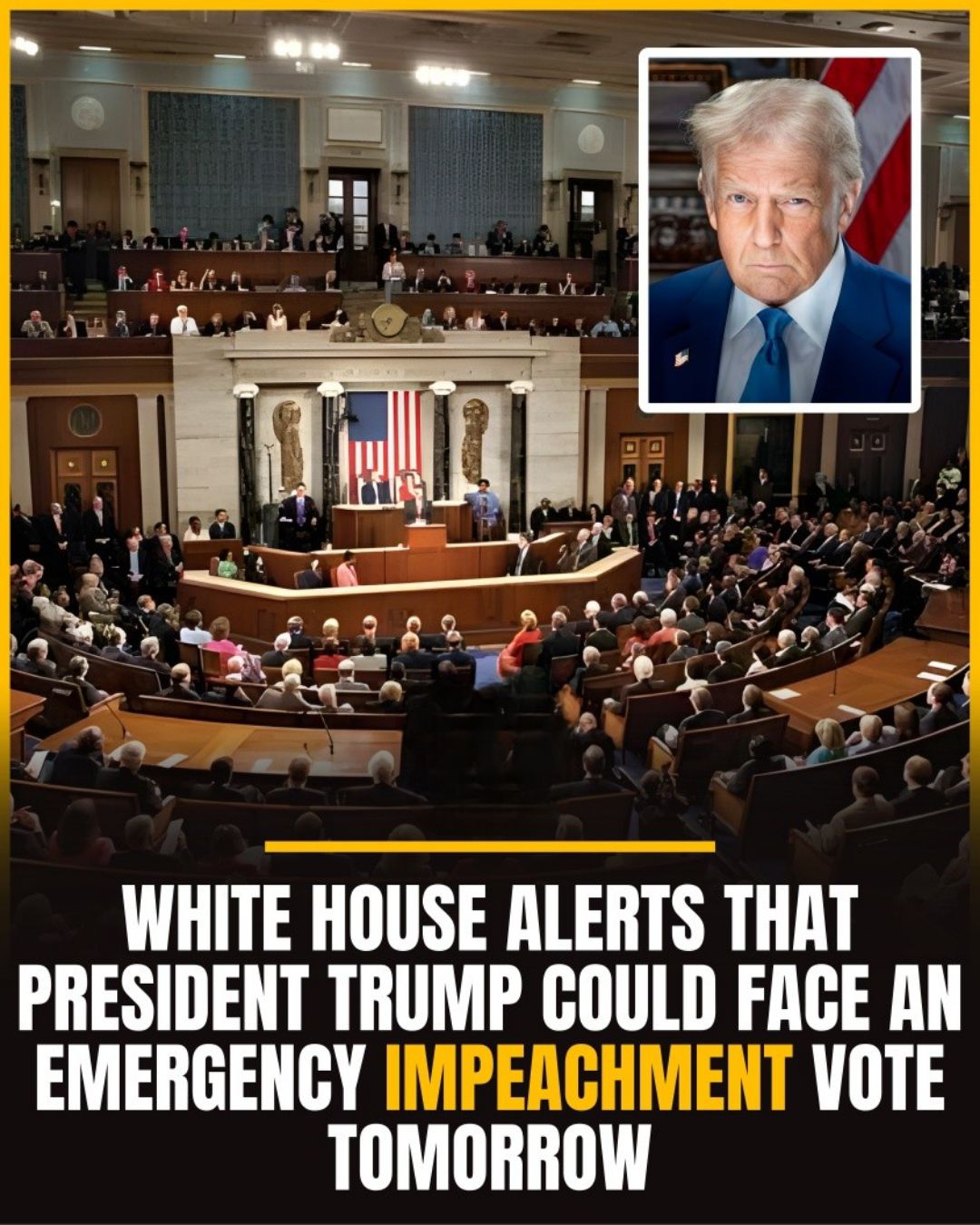
  • A major political development like a group of lawmakers calling for the removal of Donald Trump would likely have a strong ripple effect across United States Congress and the broader political climate. When multiple members publicly push for such action—whether through impeachment discussions or other constitutional mechanisms—it typically increases political tension and draws intense media attention.
    In the short term, moves like this often deepen political divisions. Supporters of the president may rally more strongly behind him, while critics push harder for accountability. This can lead to heated debates, protests, and a surge in public discussion about leadership, constitutional authority, and the limits of executive power. It can also slow down normal legislative work, as lawmakers shift focus from policy-making to investigations or hearings.
    Over the longer term, the impact depends on how much support the effort gains and whether it leads to formal legal or constitutional action. Even without removal, such calls can shape election campaigns, influence public trust in government institutions, and affect relationships between political parties. Situations like this often mark turning points that define political narratives for months—or even years—to come.
    #USPolitics #PoliticalUpdate #CongressNews #BreakingPolitics #WashingtonDC #GovernmentNews #PoliticalDebate #CurrentEvents #Democracy #TrendingNews
    A major political development like a group of lawmakers calling for the removal of Donald Trump would likely have a strong ripple effect across United States Congress and the broader political climate. When multiple members publicly push for such action—whether through impeachment discussions or other constitutional mechanisms—it typically increases political tension and draws intense media attention. In the short term, moves like this often deepen political divisions. Supporters of the president may rally more strongly behind him, while critics push harder for accountability. This can lead to heated debates, protests, and a surge in public discussion about leadership, constitutional authority, and the limits of executive power. It can also slow down normal legislative work, as lawmakers shift focus from policy-making to investigations or hearings. Over the longer term, the impact depends on how much support the effort gains and whether it leads to formal legal or constitutional action. Even without removal, such calls can shape election campaigns, influence public trust in government institutions, and affect relationships between political parties. Situations like this often mark turning points that define political narratives for months—or even years—to come. #USPolitics #PoliticalUpdate #CongressNews #BreakingPolitics #WashingtonDC #GovernmentNews #PoliticalDebate #CurrentEvents #Democracy #TrendingNews
    Like
    Love
    Wow
    3
    · 0 Comments ·0 Shares ·1K Views ·0 Reviews
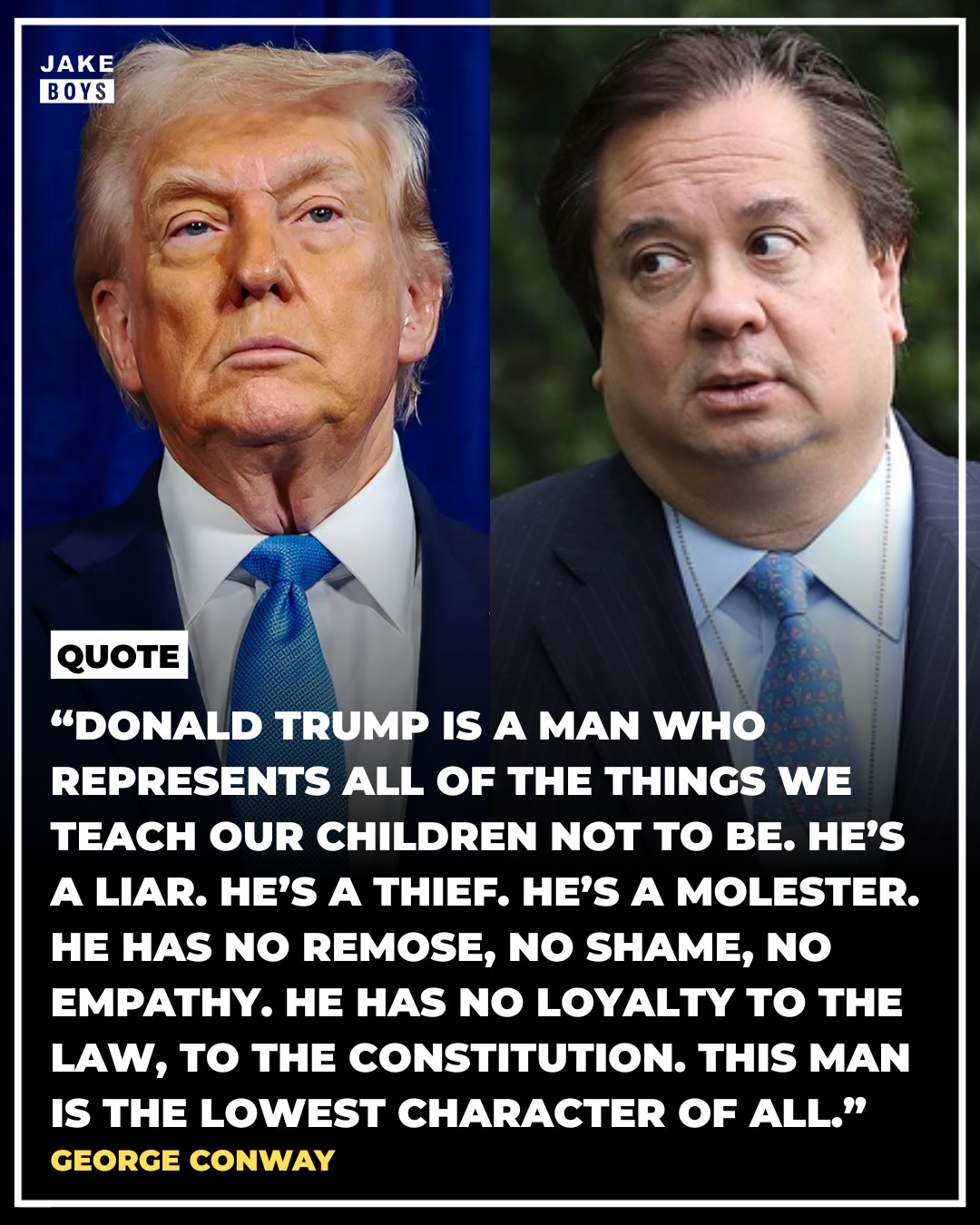
  • George Conway, a prominent attorney and public intellectual who has been critical of former President Donald Trump, delivers a scathing personal and moral rebuke of the ex-president. Conway, who is a self-identified Democrat, paints Trump as the embodiment of character flaws and behavioral patterns that stand in stark opposition to the values and virtues typically instilled in children.

    By accusing Trump of being a "liar," "thief," and "molester," Conway levels some of the most serious personal and ethical indictments possible. His assertion that the former President exhibits a complete lack of "remorse, shame, [and] empathy" further reinforces this portrait of a man utterly devoid of moral conscience or concern for others.

    Conway goes on to directly challenge Trump's loyalty to foundational American institutions, claiming he has "no loyalty to the law" or "the Constitution." This portrayal casts the former President as an existential threat to the democratic principles and legal frameworks that underpin the republic.

    In the culmination of his scathing rebuke, Conway declares Trump "the lowest character of all," a stark and unequivocal moral judgment that positions him as the antithesis of the virtues and standards of conduct that society expects of its leaders and public figures. This represents a complete and uncompromising rejection of Trump as a person and a political actor.
    George Conway, a prominent attorney and public intellectual who has been critical of former President Donald Trump, delivers a scathing personal and moral rebuke of the ex-president. Conway, who is a self-identified Democrat, paints Trump as the embodiment of character flaws and behavioral patterns that stand in stark opposition to the values and virtues typically instilled in children. By accusing Trump of being a "liar," "thief," and "molester," Conway levels some of the most serious personal and ethical indictments possible. His assertion that the former President exhibits a complete lack of "remorse, shame, [and] empathy" further reinforces this portrait of a man utterly devoid of moral conscience or concern for others. Conway goes on to directly challenge Trump's loyalty to foundational American institutions, claiming he has "no loyalty to the law" or "the Constitution." This portrayal casts the former President as an existential threat to the democratic principles and legal frameworks that underpin the republic. In the culmination of his scathing rebuke, Conway declares Trump "the lowest character of all," a stark and unequivocal moral judgment that positions him as the antithesis of the virtues and standards of conduct that society expects of its leaders and public figures. This represents a complete and uncompromising rejection of Trump as a person and a political actor.
    Like
    Love
    Wow
    3
    · 0 Comments ·0 Shares ·445 Views ·0 Reviews
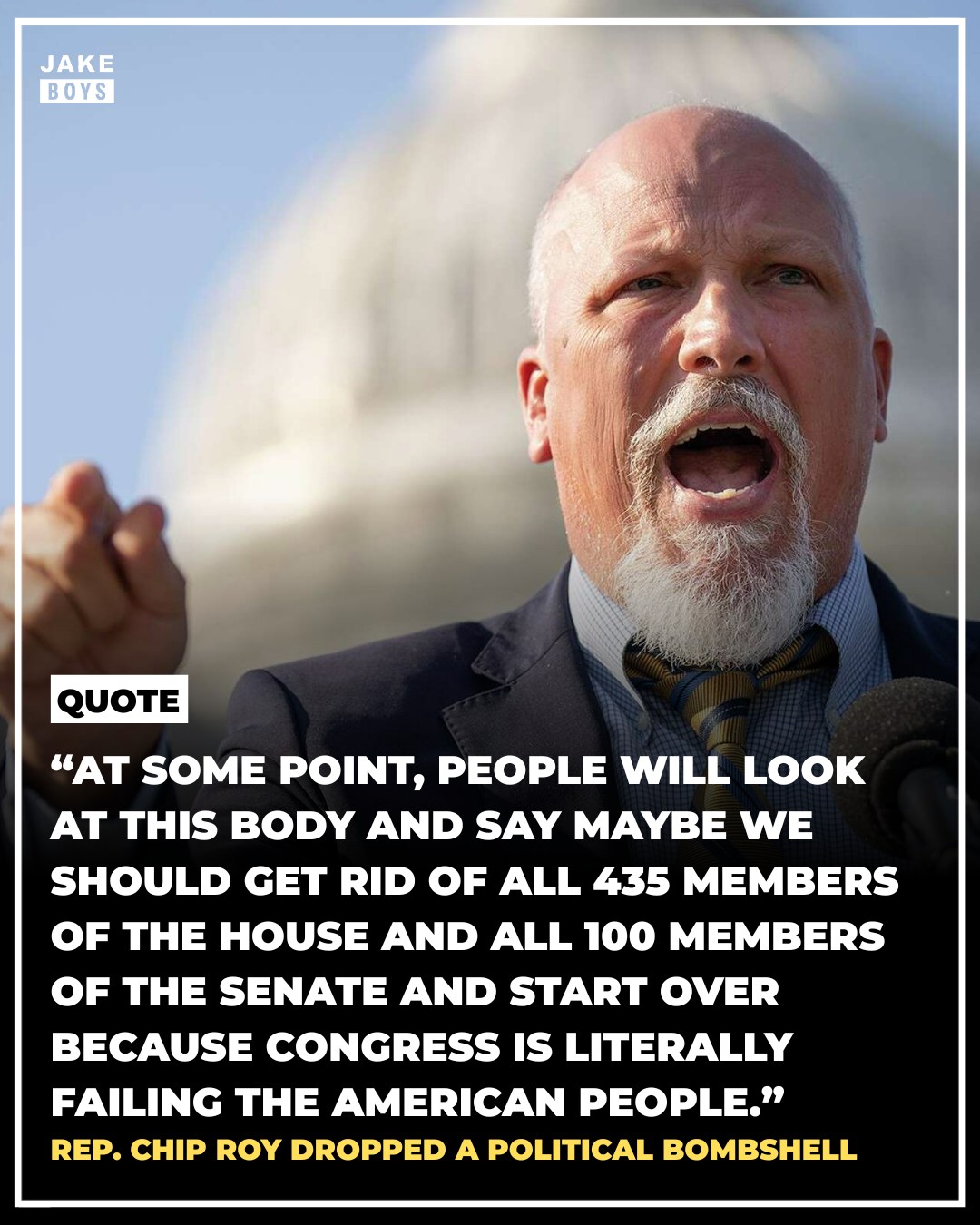
  • Representative Chip Roy has delivered an unprecedented attack on the entire structure of Congress itself, suggesting that the institution has become so fundamentally broken that complete replacement of all elected representatives may be necessary. His statement represents one of the most radical critiques of congressional dysfunction ever voiced by a sitting member, essentially arguing that the system has failed beyond repair.

    Roy's proposal to eliminate all 435 House members and 100 Senators amounts to calling for a complete governmental reset - a nuclear option that would effectively dissolve the legislative branch as it currently exists. This extraordinary suggestion goes far beyond typical partisan criticism or calls for reform, instead questioning whether the institution itself can fulfill its constitutional responsibilities to the American people.

    The Congressman's language frames this as an inevitable conclusion that the public will eventually reach, suggesting that congressional failures are so severe and systemic that citizens will demand total replacement rather than incremental change. His use of "literally failing" emphasizes what he sees as complete institutional breakdown rather than mere political disagreements or policy disputes.

    This represents a remarkable moment of self-criticism from within the system itself - a sitting member of Congress publicly entertaining the abolition of his own institution. Roy's statement reflects deep frustration with legislative gridlock, partisan dysfunction, and what he characterizes as Congress's inability to address fundamental challenges facing the country through normal democratic processes.
    Representative Chip Roy has delivered an unprecedented attack on the entire structure of Congress itself, suggesting that the institution has become so fundamentally broken that complete replacement of all elected representatives may be necessary. His statement represents one of the most radical critiques of congressional dysfunction ever voiced by a sitting member, essentially arguing that the system has failed beyond repair. Roy's proposal to eliminate all 435 House members and 100 Senators amounts to calling for a complete governmental reset - a nuclear option that would effectively dissolve the legislative branch as it currently exists. This extraordinary suggestion goes far beyond typical partisan criticism or calls for reform, instead questioning whether the institution itself can fulfill its constitutional responsibilities to the American people. The Congressman's language frames this as an inevitable conclusion that the public will eventually reach, suggesting that congressional failures are so severe and systemic that citizens will demand total replacement rather than incremental change. His use of "literally failing" emphasizes what he sees as complete institutional breakdown rather than mere political disagreements or policy disputes. This represents a remarkable moment of self-criticism from within the system itself - a sitting member of Congress publicly entertaining the abolition of his own institution. Roy's statement reflects deep frustration with legislative gridlock, partisan dysfunction, and what he characterizes as Congress's inability to address fundamental challenges facing the country through normal democratic processes.
    Like
    Love
    Wow
    3
    · 0 Comments ·0 Shares ·519 Views ·0 Reviews
More Results