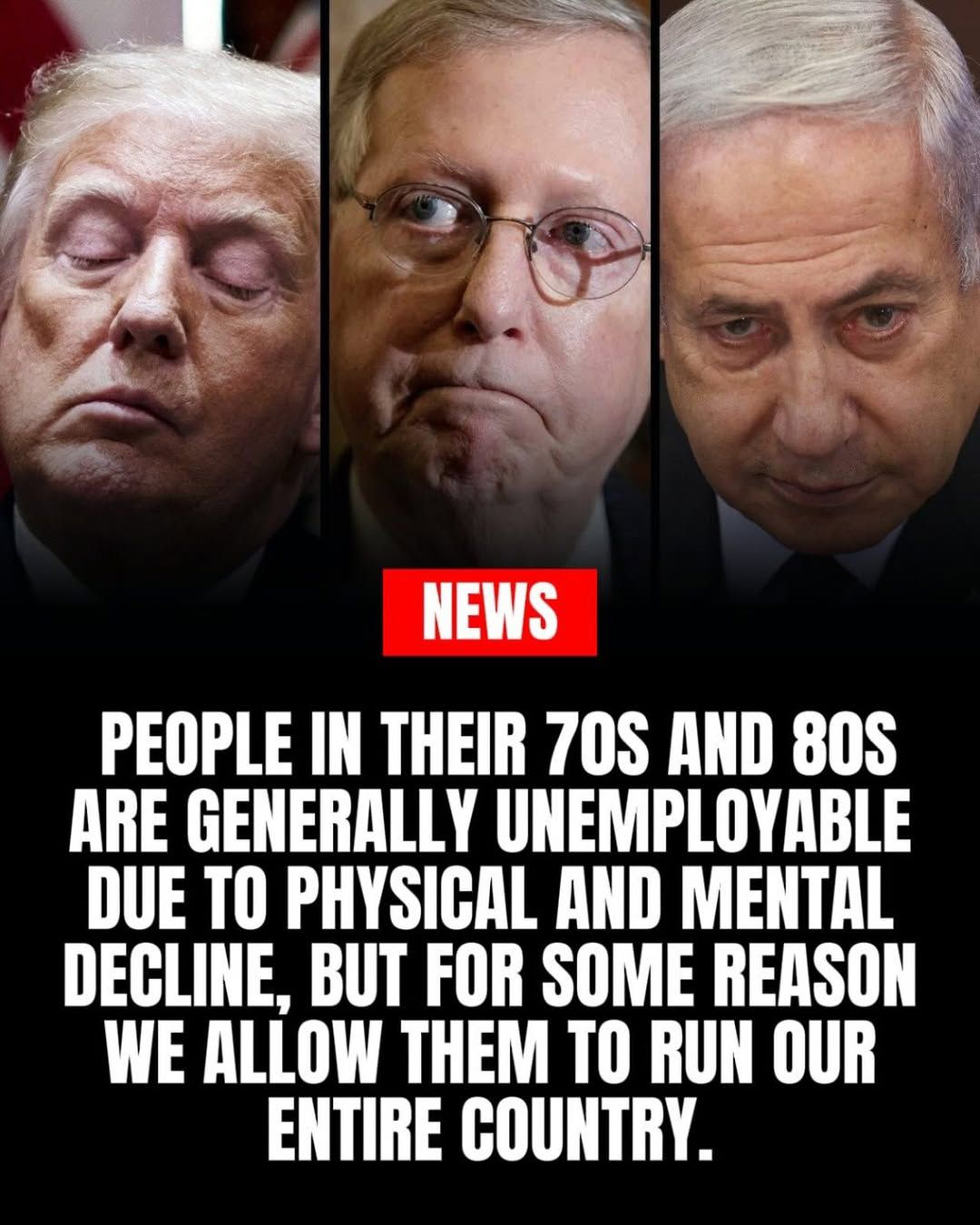
• Concerns about leadership and long-term power are growing, especially as debates intensify in the United States around figures like Donald Trump. Research often cited in governance discussions suggests that in systems with limited accountability, aging leadership can be linked to slower economic performance over time. At the same time, many Americans are facing rising living costs, increasing debt, and housing challenges, raising broader questions about how power should be balanced to protect stability, accountability, and everyday livelihoods
    #USPolitics #Economy #Leadership #Democracy #CostOfLiving #Accountability #PoliticalDebate #StayInformed #TrendingNow
    Concerns about leadership and long-term power are growing, especially as debates intensify in the United States around figures like Donald Trump. Research often cited in governance discussions suggests that in systems with limited accountability, aging leadership can be linked to slower economic performance over time. At the same time, many Americans are facing rising living costs, increasing debt, and housing challenges, raising broader questions about how power should be balanced to protect stability, accountability, and everyday livelihoods #USPolitics #Economy #Leadership #Democracy #CostOfLiving #Accountability #PoliticalDebate #StayInformed #TrendingNow
    Like
    Love
    Wow
    3
    · 0 Commenti ·0 condivisioni ·262 Views ·0 Anteprima
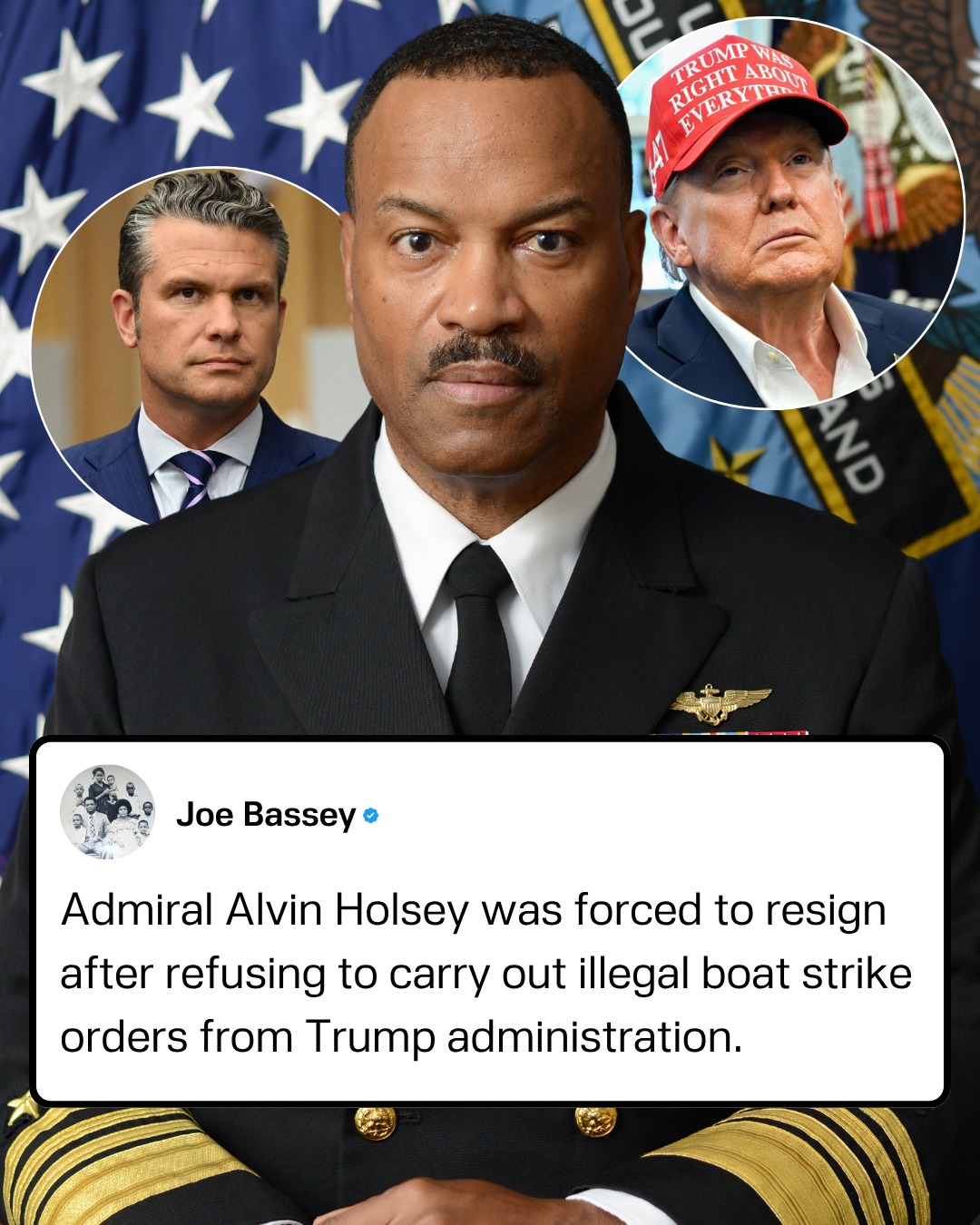
  • Adm. Alvin Holsey — a 37-year Navy veteran and the first Black commander of U.S. Southern Command — was forced out of his role after clashing with the Trump administration over controversial naval strike operations in the Caribbean.

    Holsey, who had spent decades rising through the ranks and leading major commands including Carrier Strike Group One, was overseeing U.S. military activity in Latin America when tensions began to build. At the center of the dispute were lethal strikes on suspected drug-trafficking boats, operations that sparked internal concern among military and legal officials about whether they were operating within U.S. and international law.

    According to multiple reports, Holsey pushed for caution and raised questions about the legal authority and scope of these strikes, particularly as the administration expanded the mission and reclassified it as part of a broader armed conflict.

    His departure came less than a year into what is typically a three-year posting, making it a highly unusual exit for a four-star commander.

    Holsey ultimately retired in December 2025, with officials publicly praising his service, but his exit has been widely linked to growing friction with Pentagon leadership and concerns over the direction of the mission.

    The situation has since become a flashpoint in a larger debate about military accountability, the limits of executive power, and the obligation of officers to question or refuse orders they believe may be unlawful — a principle deeply embedded in U.S. military doctrine.
    Adm. Alvin Holsey — a 37-year Navy veteran and the first Black commander of U.S. Southern Command — was forced out of his role after clashing with the Trump administration over controversial naval strike operations in the Caribbean. Holsey, who had spent decades rising through the ranks and leading major commands including Carrier Strike Group One, was overseeing U.S. military activity in Latin America when tensions began to build. At the center of the dispute were lethal strikes on suspected drug-trafficking boats, operations that sparked internal concern among military and legal officials about whether they were operating within U.S. and international law. According to multiple reports, Holsey pushed for caution and raised questions about the legal authority and scope of these strikes, particularly as the administration expanded the mission and reclassified it as part of a broader armed conflict. His departure came less than a year into what is typically a three-year posting, making it a highly unusual exit for a four-star commander. Holsey ultimately retired in December 2025, with officials publicly praising his service, but his exit has been widely linked to growing friction with Pentagon leadership and concerns over the direction of the mission. The situation has since become a flashpoint in a larger debate about military accountability, the limits of executive power, and the obligation of officers to question or refuse orders they believe may be unlawful — a principle deeply embedded in U.S. military doctrine.
    Like
    Love
    Wow
    3
    · 0 Commenti ·0 condivisioni ·559 Views ·0 Anteprima
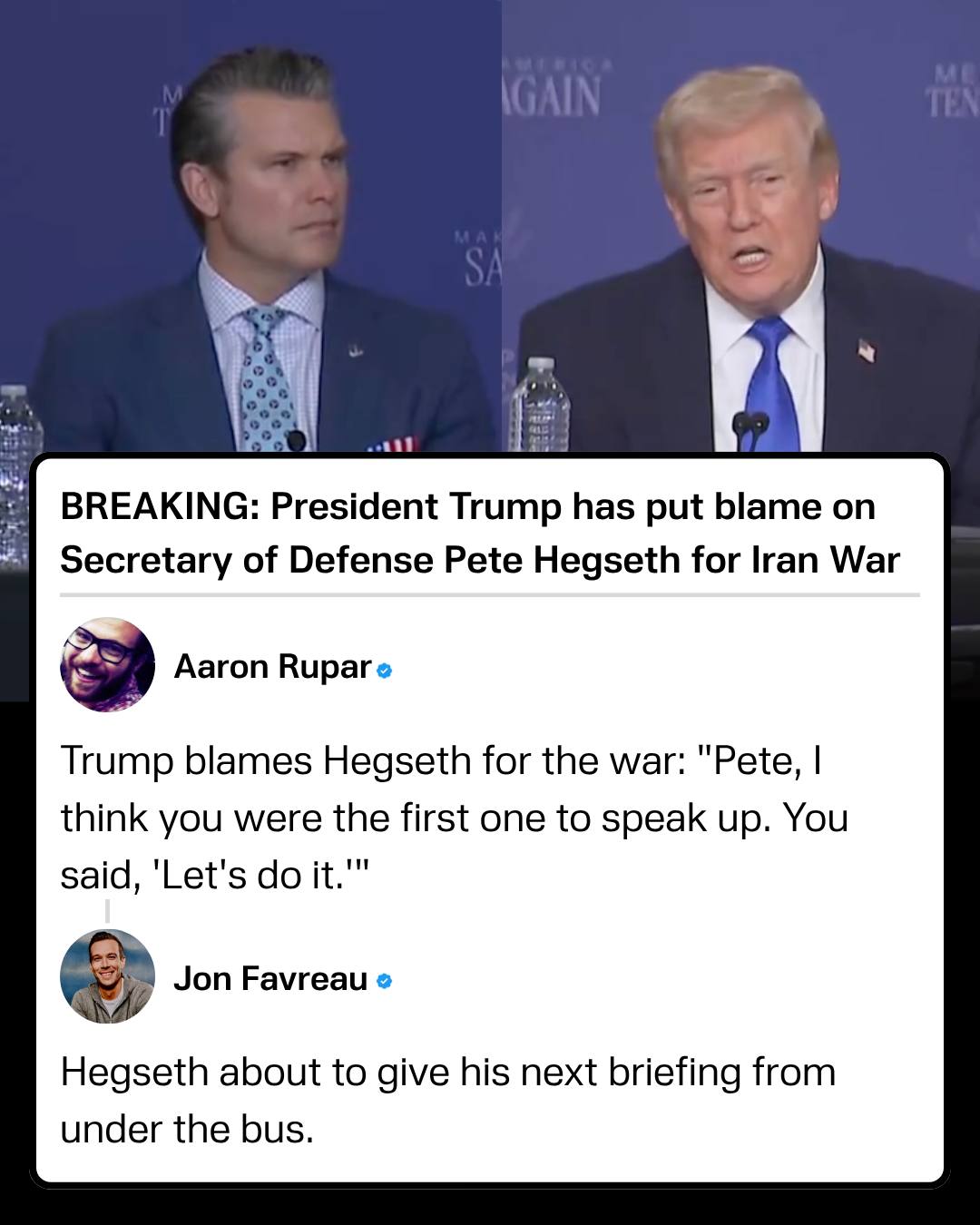
  • During a Memphis Safe Task Force roundtable, President Donald Trump appeared to place responsibility for the war with Iran on his own Defense Secretary, Pete Hegseth.

    Trump told the gathering that Hegseth was “the first one to speak up” and encouraged him with “Pete… you said, ‘Let’s do it’” before strikes began — a moment that’s drawing attention as critics and supporters alike debate who is shaping U.S. military strategy.

    Hegseth, appointed in 2025 and formerly a conservative media figure, has been a prominent voice in advocating for a tough approach to Iran, and the exchange adds fuel to ongoing discussions about leadership, accountability, and how the conflict unfolded.
    During a Memphis Safe Task Force roundtable, President Donald Trump appeared to place responsibility for the war with Iran on his own Defense Secretary, Pete Hegseth. Trump told the gathering that Hegseth was “the first one to speak up” and encouraged him with “Pete… you said, ‘Let’s do it’” before strikes began — a moment that’s drawing attention as critics and supporters alike debate who is shaping U.S. military strategy. Hegseth, appointed in 2025 and formerly a conservative media figure, has been a prominent voice in advocating for a tough approach to Iran, and the exchange adds fuel to ongoing discussions about leadership, accountability, and how the conflict unfolded.
    Like
    Love
    Wow
    3
    · 0 Commenti ·0 condivisioni ·439 Views ·0 Anteprima
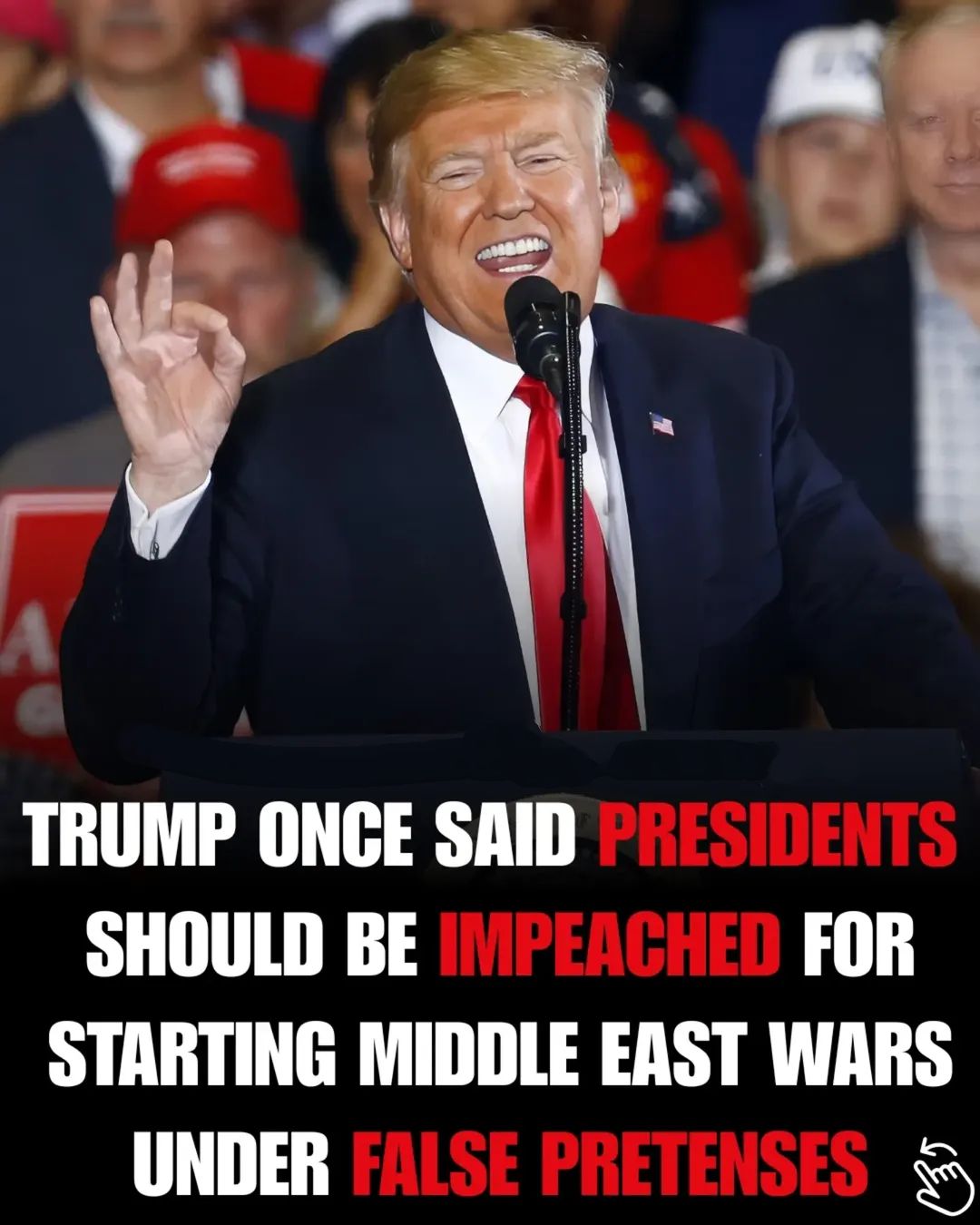
  • Donald Trump once stated that U.S. presidents should face impeachment if they lead the country into wars in the Middle East under false pretenses.
    The remark was made years before his presidency, reflecting broader criticism of past military interventions and how those decisions were justified.
    Now, that statement is resurfacing amid ongoing tensions involving Iran, as both critics and supporters debate whether current actions align with past rhetoric.
    Moments like this often reignite conversations about consistency in leadership, accountability, and how decisions in times of conflict are evaluated over time
    #DonaldTrump #USPolitics #Impeachment #MiddleEast #Iran #Geopolitics #Leadership #Accountability #TrendingNow #StayInformed
    Donald Trump once stated that U.S. presidents should face impeachment if they lead the country into wars in the Middle East under false pretenses. The remark was made years before his presidency, reflecting broader criticism of past military interventions and how those decisions were justified. Now, that statement is resurfacing amid ongoing tensions involving Iran, as both critics and supporters debate whether current actions align with past rhetoric. Moments like this often reignite conversations about consistency in leadership, accountability, and how decisions in times of conflict are evaluated over time #DonaldTrump #USPolitics #Impeachment #MiddleEast #Iran #Geopolitics #Leadership #Accountability #TrendingNow #StayInformed
    Like
    Love
    Wow
    3
    · 0 Commenti ·0 condivisioni ·246 Views ·0 Anteprima
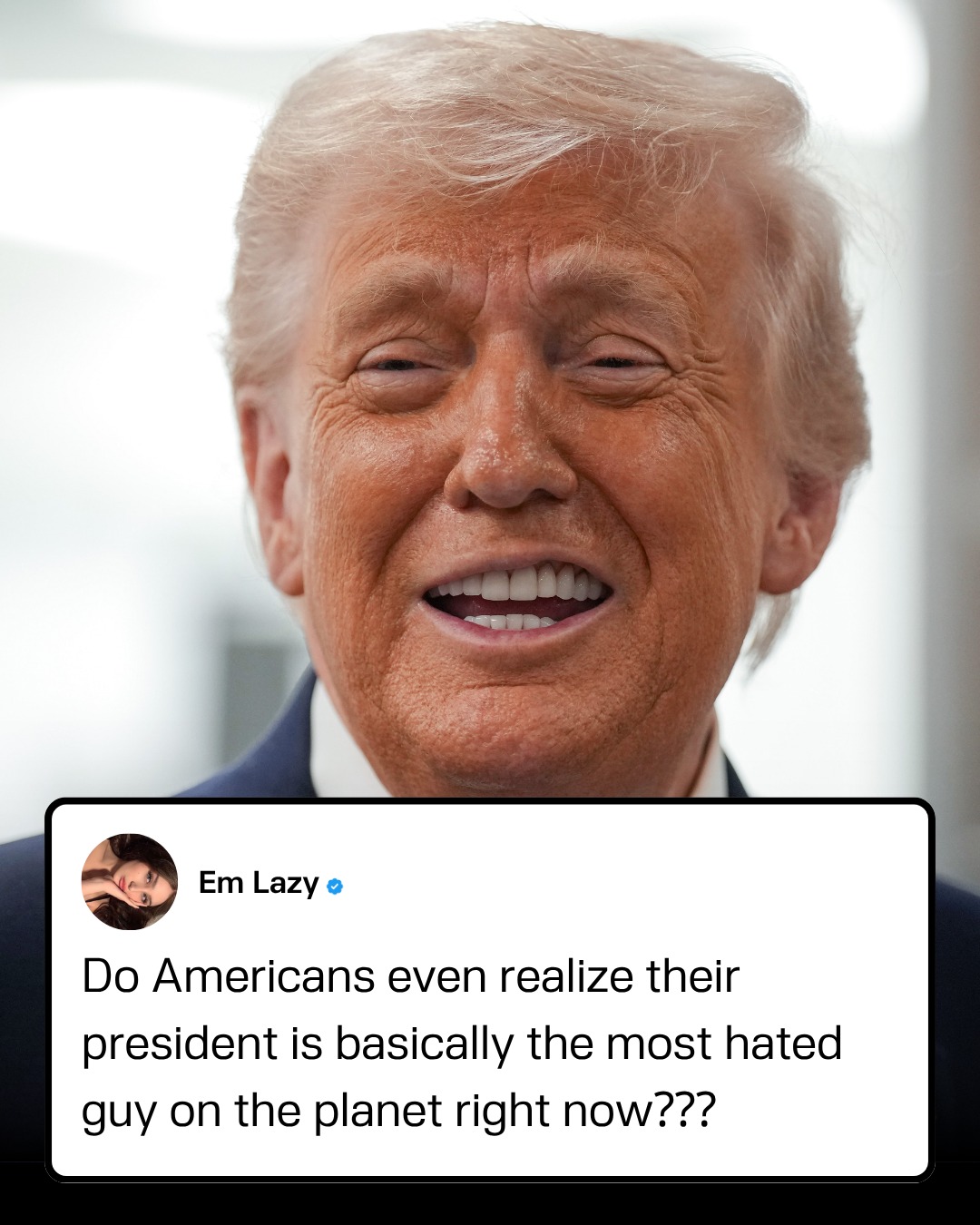
  • A viral take is raising a blunt question about how the U.S. president is currently perceived beyond America’s borders.

    While opinions at home remain deeply divided, international sentiment has become a growing point of discussion—especially as global tensions rise and U.S. leadership faces increased scrutiny on the world stage.
    A viral take is raising a blunt question about how the U.S. president is currently perceived beyond America’s borders. While opinions at home remain deeply divided, international sentiment has become a growing point of discussion—especially as global tensions rise and U.S. leadership faces increased scrutiny on the world stage.
    Like
    Love
    Wow
    3
    · 0 Commenti ·0 condivisioni ·349 Views ·0 Anteprima
Pagine in Evidenza