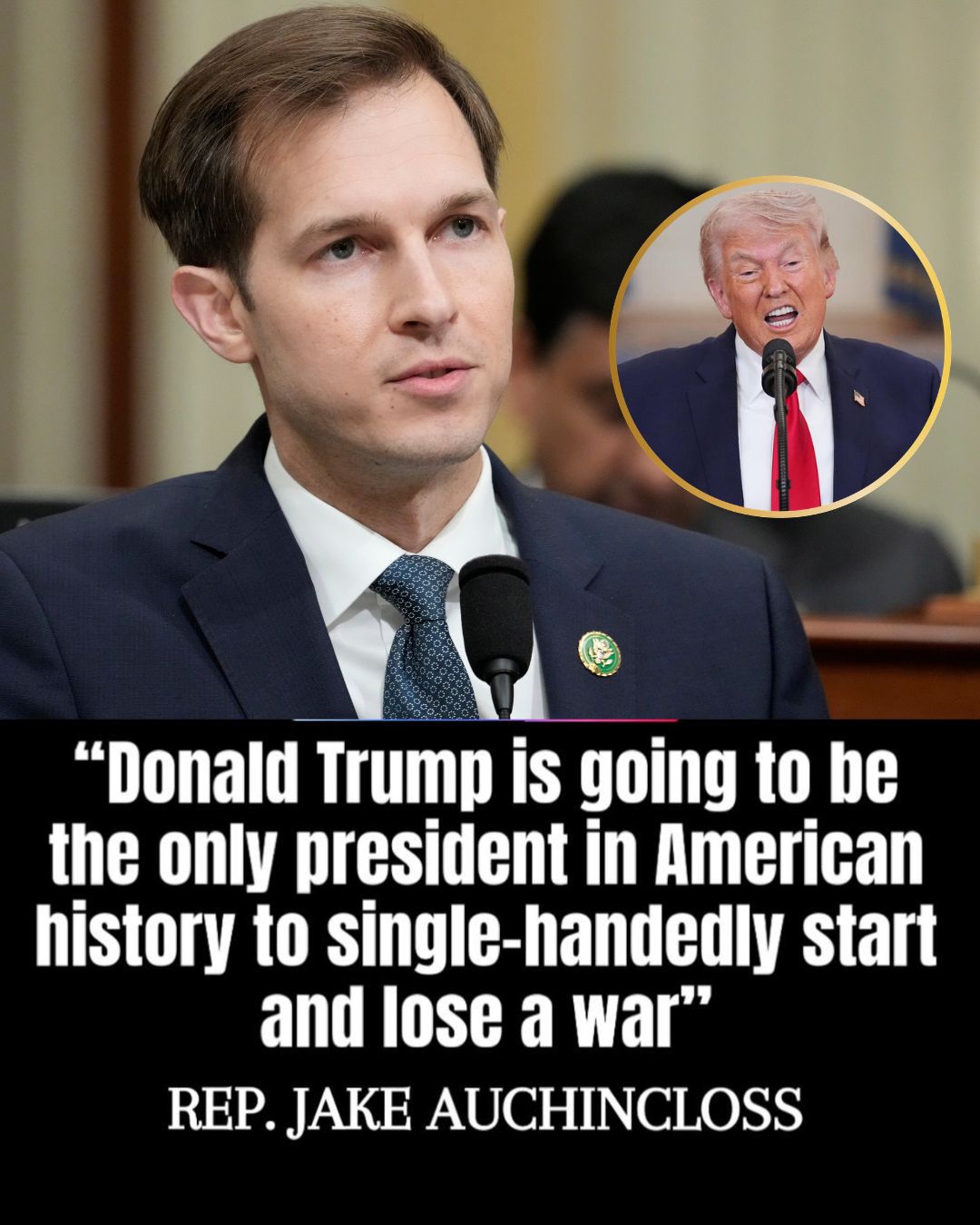
• Massachusetts Congressman Jake Auchincloss didn’t hold back during a CNN interview, labeling the current situation “Operation Epic Failure.” He argued that former President Donald Trump is heading down a path that could define his presidency negatively, warning that it risks becoming a historic misstep in U.S. foreign policy.
    Trump supporters have pushed back, calling the criticism politically motivated, while others see it as a legitimate concern over unfolding events. The exchange has intensified public debate, highlighting high stakes in US foreign policy and escalating political rhetoric.
    #JakeAuchincloss #DonaldTrump #Politics #USNews #BreakingNews #ForeignPolicy #Military #Geopolitics #NationalSecurity #PoliticalDebate #CurrentEvents #America #TrendingNow #ViralNews
    Massachusetts Congressman Jake Auchincloss didn’t hold back during a CNN interview, labeling the current situation “Operation Epic Failure.” He argued that former President Donald Trump is heading down a path that could define his presidency negatively, warning that it risks becoming a historic misstep in U.S. foreign policy. Trump supporters have pushed back, calling the criticism politically motivated, while others see it as a legitimate concern over unfolding events. The exchange has intensified public debate, highlighting high stakes in US foreign policy and escalating political rhetoric. #JakeAuchincloss #DonaldTrump #Politics #USNews #BreakingNews #ForeignPolicy #Military #Geopolitics #NationalSecurity #PoliticalDebate #CurrentEvents #America #TrendingNow #ViralNews
    Like
    Love
    Wow
    3
    · 0 Kommentare ·0 Geteilt ·3KB Ansichten ·0 Bewertungen
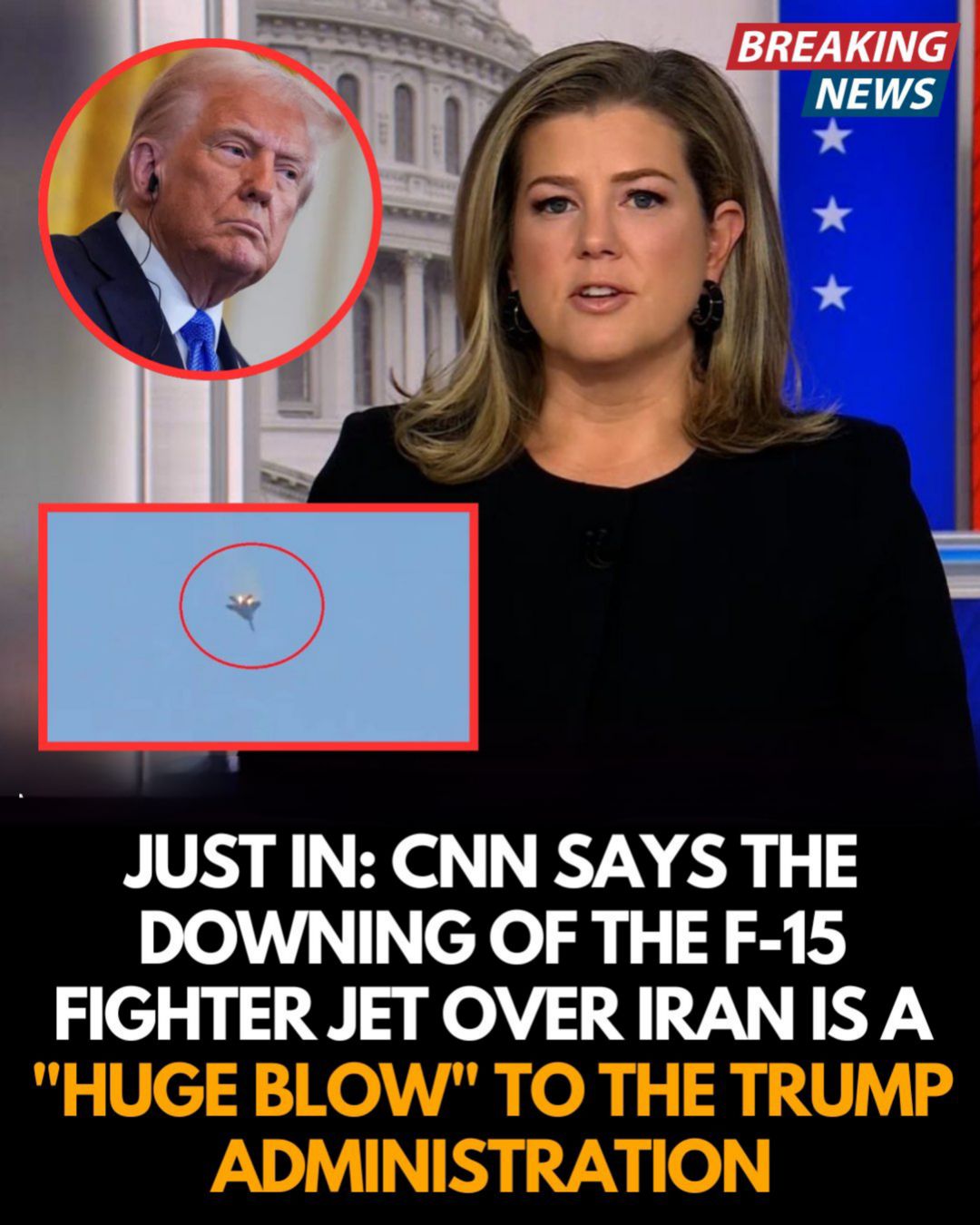
  • The political fallout following the reported loss of an advanced U.S. strike aircraft is intensifying, as media and analysts frame the incident as a significant test of the administration’s “maximum pressure” strategy. Beyond the immediate tactical setback, the situation carries a broader psychological impact, raising questions about deterrence and the risks of operating in highly contested airspace. Critics argue that the loss of an F-15—long seen as a symbol of American air superiority—could embolden adversaries and expose vulnerabilities in current policy, especially without wider regional alignment. Supporters, however, contend that the incident underscores the need to strengthen defenses and address emerging threats more aggressively. As the White House navigates both the strategic response and the safe recovery of personnel, the episode is quickly becoming a focal point in the lead-up to the 2026 political cycle, shaping debates around national security, leadership, and foreign policy direction.
    #BreakingNews #NationalSecurity #USPolitics #F15 #Geopolitics #MiddleEastCrisis
    The political fallout following the reported loss of an advanced U.S. strike aircraft is intensifying, as media and analysts frame the incident as a significant test of the administration’s “maximum pressure” strategy. Beyond the immediate tactical setback, the situation carries a broader psychological impact, raising questions about deterrence and the risks of operating in highly contested airspace. Critics argue that the loss of an F-15—long seen as a symbol of American air superiority—could embolden adversaries and expose vulnerabilities in current policy, especially without wider regional alignment. Supporters, however, contend that the incident underscores the need to strengthen defenses and address emerging threats more aggressively. As the White House navigates both the strategic response and the safe recovery of personnel, the episode is quickly becoming a focal point in the lead-up to the 2026 political cycle, shaping debates around national security, leadership, and foreign policy direction. #BreakingNews #NationalSecurity #USPolitics #F15 #Geopolitics #MiddleEastCrisis
    Like
    Love
    Wow
    3
    · 0 Kommentare ·0 Geteilt ·1KB Ansichten ·0 Bewertungen
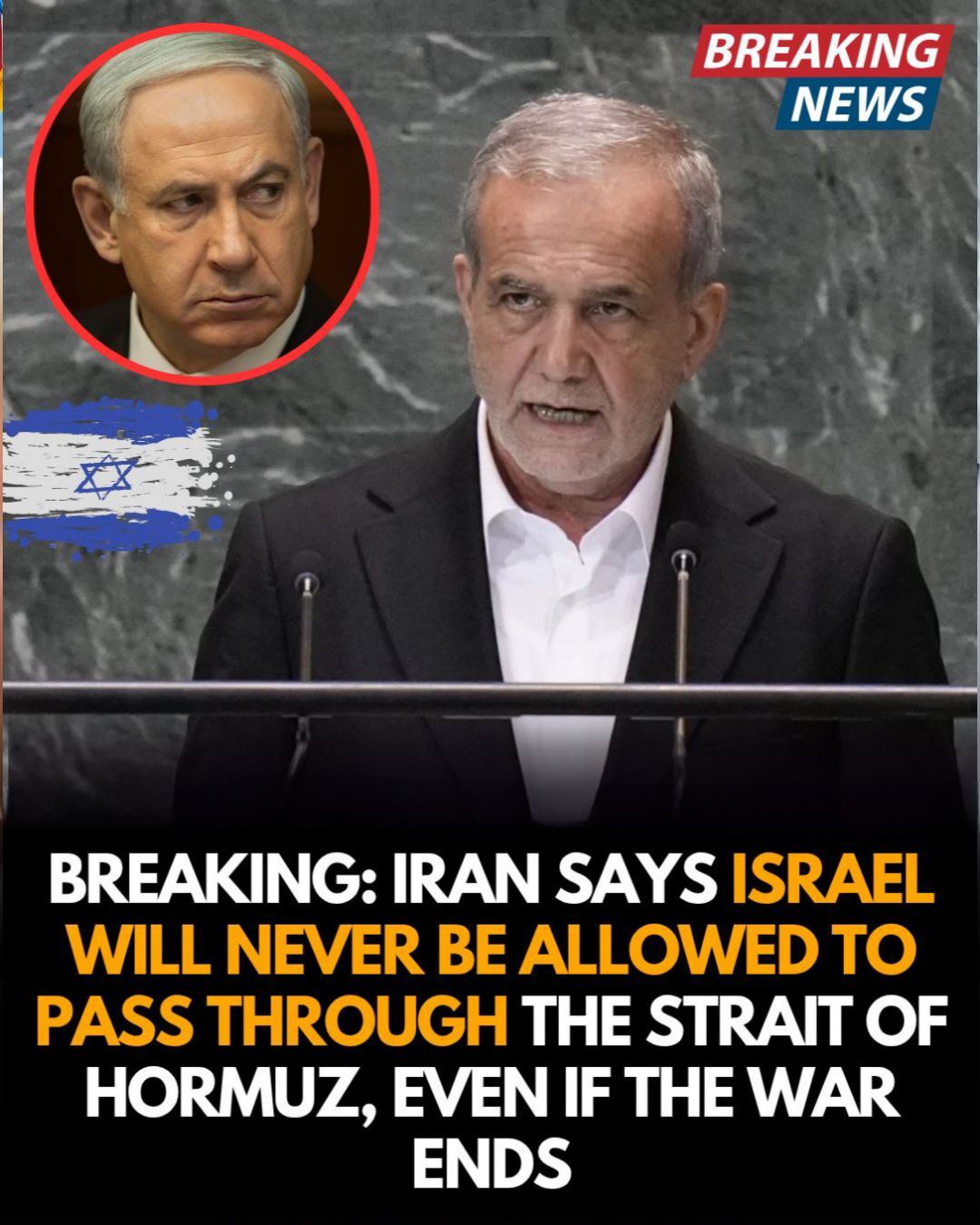
  • President Masoud Pezeshkian has issued a definitive and historic declaration regarding the future of Middle Eastern maritime security, stating that Israeli vessels will face a permanent ban from the Strait of Hormuz. This decree, delivered during a late-night address on April 1st, signals that Iran intends to maintain its blockade against Israel as a long-term strategic policy, regardless of any potential ceasefire or end to current hostilities.

    This hardline stance follows a day of intense military and diplomatic friction, including a massive new wave of Iranian missiles launched at Israel and the official rejection of President Trump’s ceasefire claims. By making this "never" pledge, Tehran is seeking to fundamentally alter the regional status quo and establish a new "Hormuz Doctrine" that excludes its primary adversary from the world's most critical energy chokepoint.

    The declaration comes as Russia, China, India, Iraq, and Pakistan enjoy exclusive "safe passage" through the corridor, creating a starkly divided maritime landscape. Iranian officials emphasized that while they are open to "brotherly" cooperation with neutral states like Malaysia and Oman, Israel remains an "existential enemy" that has forfeited all rights to regional transit.

    International analysts suggest this move is designed to maximize Israel’s long-term economic isolation and force the U.S.-led coalition into a difficult choice between accepting a permanent blockade or initiating a high-risk naval war. The White House has characterized the statement as "unacceptable and illegal," while Jerusalem has reiterated its right to defend freedom of navigation.

    As the IEA warns of a historic energy crisis and the 35-country summit in London enters its second day, the prospect of a diplomatic resolution has dimmed significantly. The world is watching to see if this permanent ban will be enforced by the IRGC’s coastal batteries or if it will trigger a decisive military confrontation to break the blockade once and for all.

    #NationalSecurity #MaritimeLaw #Geopolitics #MiddleEastWar #GlobalTrade
    President Masoud Pezeshkian has issued a definitive and historic declaration regarding the future of Middle Eastern maritime security, stating that Israeli vessels will face a permanent ban from the Strait of Hormuz. This decree, delivered during a late-night address on April 1st, signals that Iran intends to maintain its blockade against Israel as a long-term strategic policy, regardless of any potential ceasefire or end to current hostilities. This hardline stance follows a day of intense military and diplomatic friction, including a massive new wave of Iranian missiles launched at Israel and the official rejection of President Trump’s ceasefire claims. By making this "never" pledge, Tehran is seeking to fundamentally alter the regional status quo and establish a new "Hormuz Doctrine" that excludes its primary adversary from the world's most critical energy chokepoint. The declaration comes as Russia, China, India, Iraq, and Pakistan enjoy exclusive "safe passage" through the corridor, creating a starkly divided maritime landscape. Iranian officials emphasized that while they are open to "brotherly" cooperation with neutral states like Malaysia and Oman, Israel remains an "existential enemy" that has forfeited all rights to regional transit. International analysts suggest this move is designed to maximize Israel’s long-term economic isolation and force the U.S.-led coalition into a difficult choice between accepting a permanent blockade or initiating a high-risk naval war. The White House has characterized the statement as "unacceptable and illegal," while Jerusalem has reiterated its right to defend freedom of navigation. As the IEA warns of a historic energy crisis and the 35-country summit in London enters its second day, the prospect of a diplomatic resolution has dimmed significantly. The world is watching to see if this permanent ban will be enforced by the IRGC’s coastal batteries or if it will trigger a decisive military confrontation to break the blockade once and for all. #NationalSecurity #MaritimeLaw #Geopolitics #MiddleEastWar #GlobalTrade
    Like
    Love
    Wow
    3
    · 0 Kommentare ·0 Geteilt ·2KB Ansichten ·0 Bewertungen
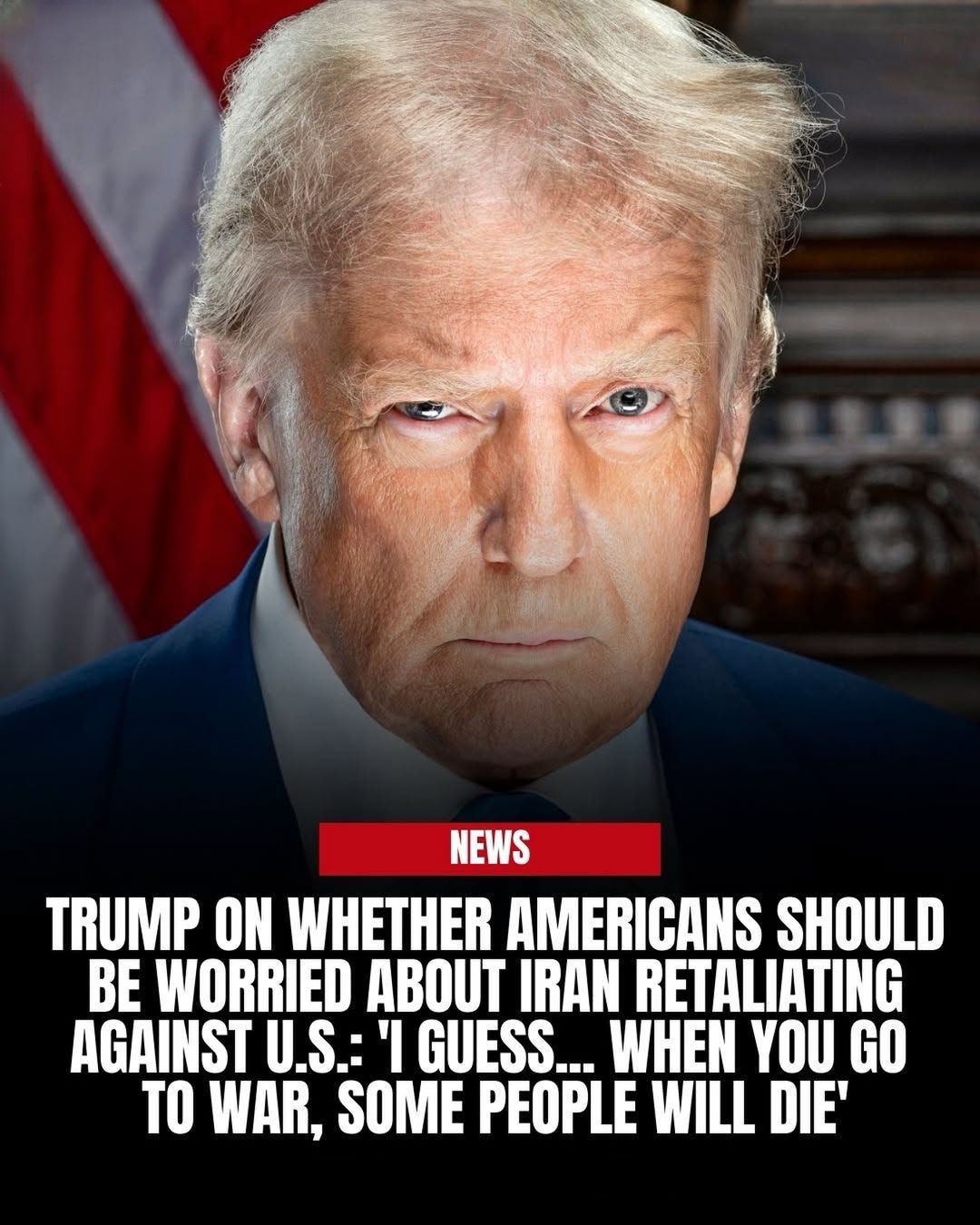
  • According to reports, Donald Trump addressed concerns about possible retaliation from Iran as tensions continue to rise in the Middle East. During a phone call with Time magazine journalist Eric Cortellessa, Trump was asked whether Americans should be worried about a potential strike on the U.S. homeland. He responded, “I guess,” adding that such risks are always considered during times of conflict. The president stated that national security planning accounts for these possibilities but acknowledged the harsh reality of war, saying that when conflicts escalate, casualties can occur. His remarks come amid growing concerns about potential retaliation against U.S. military forces as regional tensions remain high.
    #DonaldTrump #IranConflict #USPolitics #MiddleEastTensions #BreakingNews #WorldNews #Geopolitics #NationalSecurity
    According to reports, Donald Trump addressed concerns about possible retaliation from Iran as tensions continue to rise in the Middle East. During a phone call with Time magazine journalist Eric Cortellessa, Trump was asked whether Americans should be worried about a potential strike on the U.S. homeland. He responded, “I guess,” adding that such risks are always considered during times of conflict. The president stated that national security planning accounts for these possibilities but acknowledged the harsh reality of war, saying that when conflicts escalate, casualties can occur. His remarks come amid growing concerns about potential retaliation against U.S. military forces as regional tensions remain high. #DonaldTrump #IranConflict #USPolitics #MiddleEastTensions #BreakingNews #WorldNews #Geopolitics #NationalSecurity
    Like
    Love
    Wow
    3
    · 0 Kommentare ·0 Geteilt ·2KB Ansichten ·0 Bewertungen
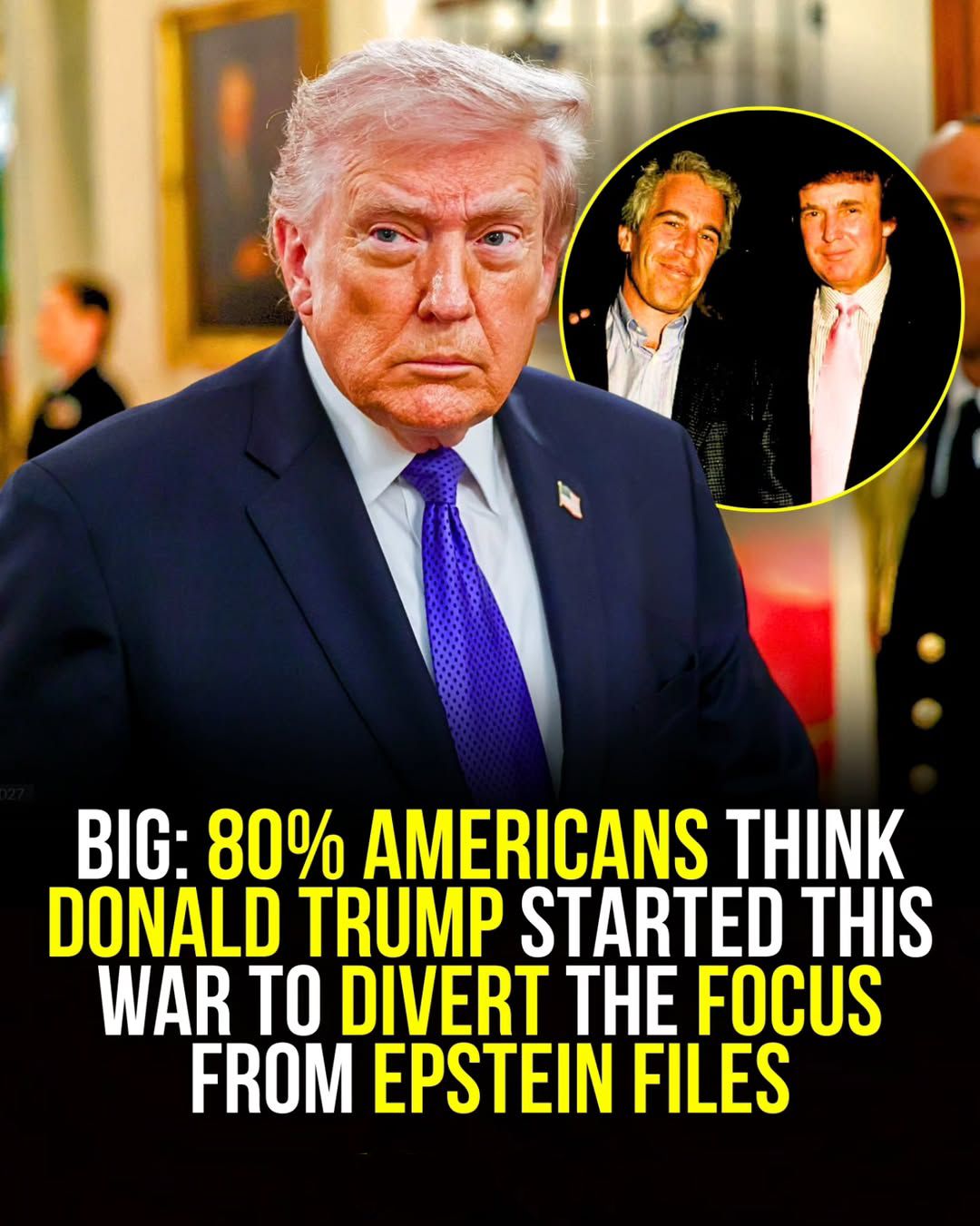
  • A new poll suggests that many Americans are questioning the motives behind the escalating tensions between the United States and Iran, with roughly 80% of respondents believing that Donald Trump initiated the conflict as a strategic diversion from the ongoing release of files connected to Jeffrey Epstein. The speculation comes as the situation in the Middle East grows more volatile, with the White House promising a strong military response after attacks that killed U.S. personnel and targeted American facilities in the region. At the same time, global concerns are rising over Iran’s nuclear program, regional military involvement, and the potential for a wider geopolitical confrontation. As the conflict continues to unfold, the debate over its origins and motivations is adding significant domestic political pressure to an already tense international crisis.
    #Trump #EpsteinFiles #BreakingNews #Geopolitics #NationalSecurity #WorldNews #MiddleEast #GlobalPolitics
    A new poll suggests that many Americans are questioning the motives behind the escalating tensions between the United States and Iran, with roughly 80% of respondents believing that Donald Trump initiated the conflict as a strategic diversion from the ongoing release of files connected to Jeffrey Epstein. The speculation comes as the situation in the Middle East grows more volatile, with the White House promising a strong military response after attacks that killed U.S. personnel and targeted American facilities in the region. At the same time, global concerns are rising over Iran’s nuclear program, regional military involvement, and the potential for a wider geopolitical confrontation. As the conflict continues to unfold, the debate over its origins and motivations is adding significant domestic political pressure to an already tense international crisis. #Trump #EpsteinFiles #BreakingNews #Geopolitics #NationalSecurity #WorldNews #MiddleEast #GlobalPolitics
    Like
    Love
    Wow
    3
    · 0 Kommentare ·0 Geteilt ·3KB Ansichten ·0 Bewertungen
Weitere Ergebnisse