• Donald Trump is pressuring Congress to pass the SAVE Act (Safeguard American Voter Eligibility Act) and has threatened to withhold support for other legislation until the bill is approved.
    The proposal would require voters to provide documented proof of U.S. citizenship — such as a passport or birth certificate — when registering to vote. It would also introduce stricter voter identification requirements and place tighter limits on mail-in voting.
    Supporters of the bill argue it is necessary to prevent non-citizens from voting in U.S. elections. However, critics say there is little evidence that non-citizen voting has affected election outcomes.
    The legislation has already passed the House of Representatives but faces significant hurdles in the Senate, where it would likely need 60 votes to overcome a filibuster.
    Opponents warn the measure could make voting more difficult for millions of eligible Americans. Many people do not have easy access to documents proving citizenship, and some birth certificates may not match current names, particularly for married women who changed their surnames. Voting rights groups also say the bill could restrict registration drives and allow lawsuits against election officials over registration disputes.
    The debate over the SAVE Act reflects a broader national discussion about election security, voter access, and the balance between preventing fraud and protecting voting rights.
    Source: The Guardian
    #USPolitics #VotingRights #SAVEAct #ElectionLaw #Democracy

    Donald Trump is pressuring Congress to pass the SAVE Act (Safeguard American Voter Eligibility Act) and has threatened to withhold support for other legislation until the bill is approved. The proposal would require voters to provide documented proof of U.S. citizenship — such as a passport or birth certificate — when registering to vote. It would also introduce stricter voter identification requirements and place tighter limits on mail-in voting. Supporters of the bill argue it is necessary to prevent non-citizens from voting in U.S. elections. However, critics say there is little evidence that non-citizen voting has affected election outcomes. The legislation has already passed the House of Representatives but faces significant hurdles in the Senate, where it would likely need 60 votes to overcome a filibuster. Opponents warn the measure could make voting more difficult for millions of eligible Americans. Many people do not have easy access to documents proving citizenship, and some birth certificates may not match current names, particularly for married women who changed their surnames. Voting rights groups also say the bill could restrict registration drives and allow lawsuits against election officials over registration disputes. The debate over the SAVE Act reflects a broader national discussion about election security, voter access, and the balance between preventing fraud and protecting voting rights. Source: The Guardian #USPolitics #VotingRights #SAVEAct #ElectionLaw #Democracy
    Like
    Love
    Wow
    3
    · 0 Reacties ·0 aandelen ·145 Views ·0 voorbeeld
  • A White House reporter is being praised online after confronting Donald Trump during a press conference about the war with Iran.

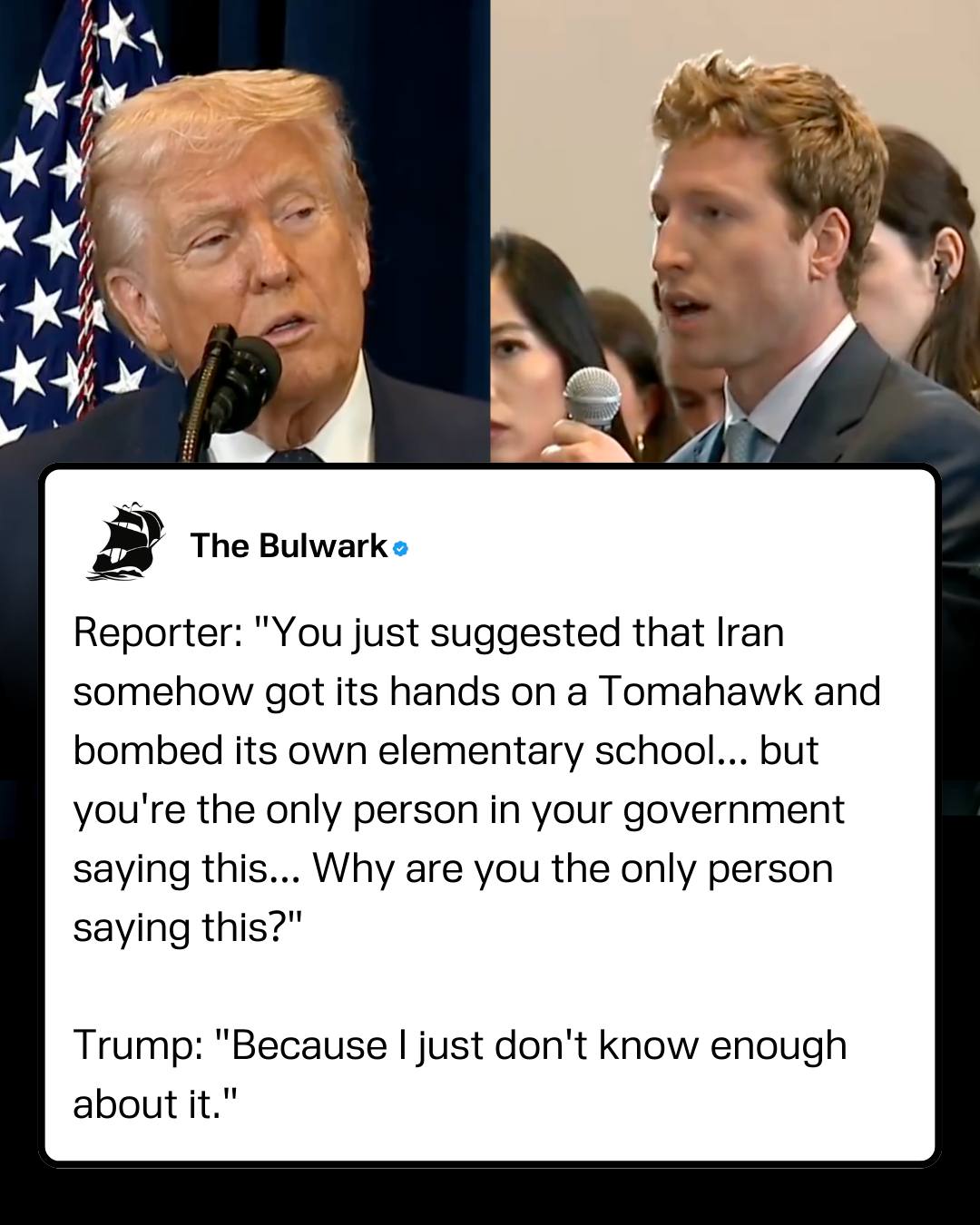
    Shawn McCreesh, a correspondent for The New York Times, challenged the president after Trump suggested that Iran may have bombed its own elementary school using a Tomahawk cruise missile.

    McCreesh pushed back directly:

    “You just suggested that Iran somehow got its hands on a Tomahawk and bombed its own elementary school… but you're the only person in your government saying this. Even your defense secretary wouldn't say that. Why are you the only person saying this?”

    Trump replied: “Because I just don’t know enough about it.”

    The exchange came as reporters pressed the administration about the deadly strike on the Shajareh Tayyebeh girls’ school in Minab, southern Iran, where around 160 people — many of them children — were reported killed during the early wave of attacks in the conflict.

    Open-source investigators and journalists have since analyzed geolocated video and satellite imagery from the scene. One widely circulated clip appears to show a Tomahawk cruise missile striking a compound next to the school.

    Tomahawks are long-range precision cruise missiles developed and primarily used by the United States, typically launched from U.S. Navy destroyers or submarines and capable of traveling hundreds of miles before striking a target with high accuracy. Iran is not known to possess Tomahawk systems, which is why the president’s suggestion immediately drew scrutiny in the briefing room.

    The exchange quickly spread online, with many praising McCreesh for directly challenging the claim during a live White House press briefing.
    A White House reporter is being praised online after confronting Donald Trump during a press conference about the war with Iran. Shawn McCreesh, a correspondent for The New York Times, challenged the president after Trump suggested that Iran may have bombed its own elementary school using a Tomahawk cruise missile. McCreesh pushed back directly: “You just suggested that Iran somehow got its hands on a Tomahawk and bombed its own elementary school… but you're the only person in your government saying this. Even your defense secretary wouldn't say that. Why are you the only person saying this?” Trump replied: “Because I just don’t know enough about it.” The exchange came as reporters pressed the administration about the deadly strike on the Shajareh Tayyebeh girls’ school in Minab, southern Iran, where around 160 people — many of them children — were reported killed during the early wave of attacks in the conflict. Open-source investigators and journalists have since analyzed geolocated video and satellite imagery from the scene. One widely circulated clip appears to show a Tomahawk cruise missile striking a compound next to the school. Tomahawks are long-range precision cruise missiles developed and primarily used by the United States, typically launched from U.S. Navy destroyers or submarines and capable of traveling hundreds of miles before striking a target with high accuracy. Iran is not known to possess Tomahawk systems, which is why the president’s suggestion immediately drew scrutiny in the briefing room. The exchange quickly spread online, with many praising McCreesh for directly challenging the claim during a live White House press briefing.
    Like
    Love
    Wow
    3
    · 0 Reacties ·0 aandelen ·145 Views ·0 voorbeeld
  • Wireless Brain Sensors Market Poised for Significant Growth as Neurotechnology and Remote Healthcare Gain Momentum

    https://growthmarketreports.com/report/wireless-brain-sensors-market-global-industry-analysis

    The global Wireless Brain Sensors Market is witnessing rapid expansion as advancements in neurotechnology and wearable healthcare devices transform neurological monitoring. Increasing prevalence of neurological disorders and the growing adoption of non-invasive monitoring solutions are accelerating the demand for wireless brain sensing technologies worldwide.
    Wireless Brain Sensors Market Poised for Significant Growth as Neurotechnology and Remote Healthcare Gain Momentum https://growthmarketreports.com/report/wireless-brain-sensors-market-global-industry-analysis The global Wireless Brain Sensors Market is witnessing rapid expansion as advancements in neurotechnology and wearable healthcare devices transform neurological monitoring. Increasing prevalence of neurological disorders and the growing adoption of non-invasive monitoring solutions are accelerating the demand for wireless brain sensing technologies worldwide.
    Wireless Brain Sensors Market Research Report 2033
    growthmarketreports.com
    According to our latest research, the global wireless brain sensors market size reached USD 652 million in 2024, reflecting robust expansion driven by technological advancements and increasing prevalence of neurological disorders.
    0 Reacties ·0 aandelen ·121 Views ·0 voorbeeld
  • No surprise there. Many critics say the current administration represents one of the most controversial and questioned periods in modern U.S. politics.
    Supporters and opponents remain deeply divided, with debates continuing over government transparency, accountability, and how leadership decisions are being handled during major national and international challenges.
    As investigations, political battles, and public scrutiny continue, the broader discussion about trust in government and oversight in the United States is likely to remain at the center of public debate.
    #USPolitics #PoliticalDebate #GovernmentAccountability #PublicTrust
    No surprise there. Many critics say the current administration represents one of the most controversial and questioned periods in modern U.S. politics. Supporters and opponents remain deeply divided, with debates continuing over government transparency, accountability, and how leadership decisions are being handled during major national and international challenges. As investigations, political battles, and public scrutiny continue, the broader discussion about trust in government and oversight in the United States is likely to remain at the center of public debate. #USPolitics #PoliticalDebate #GovernmentAccountability #PublicTrust
    Like
    Love
    Wow
    3
    · 0 Reacties ·0 aandelen ·215 Views ·0 voorbeeld
  • Here’s a cleaner rewritten version (same story, smoother for social media):

    A photo that took eight years to capture.

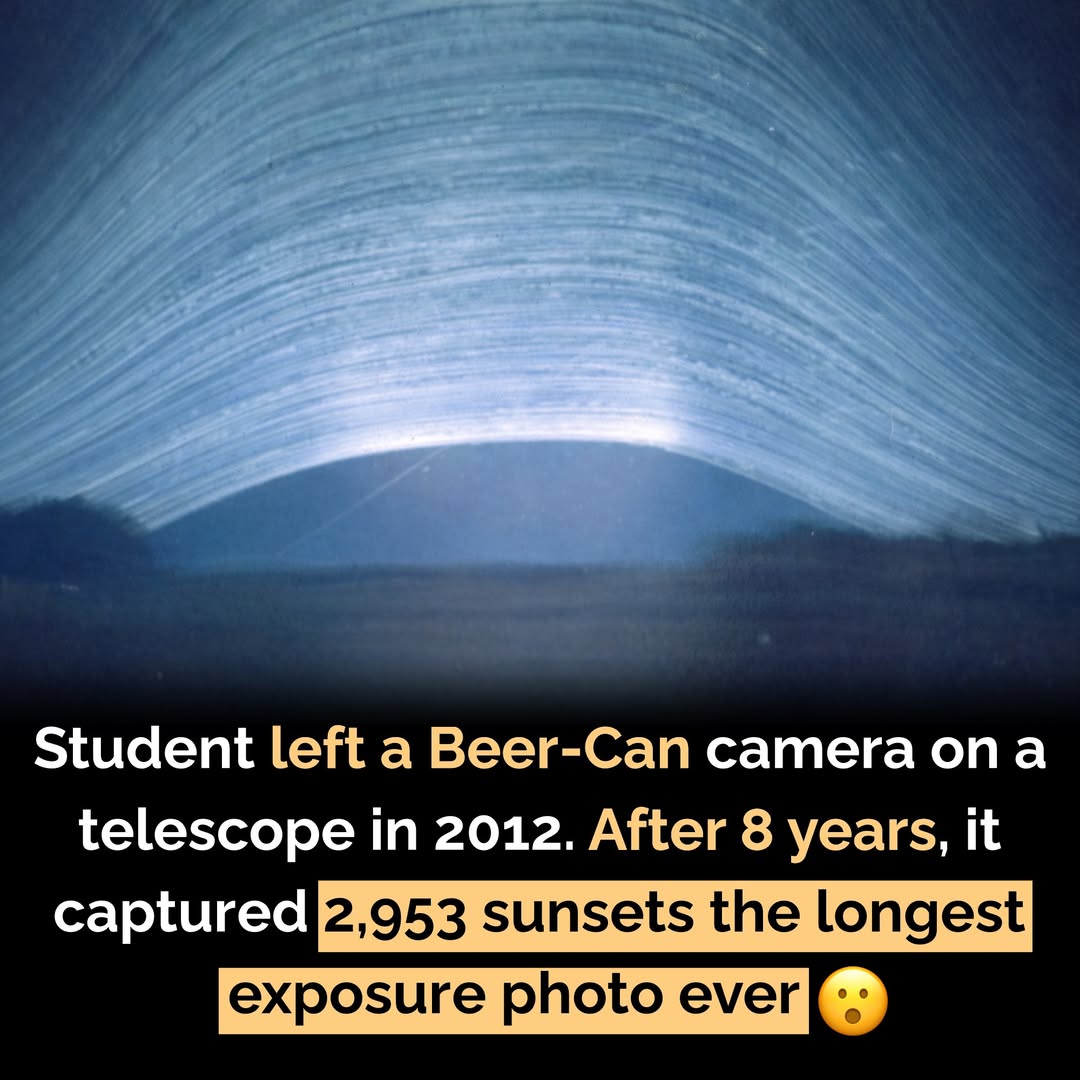
    In 2012, fine art student Regina Valkenborgh was experimenting with pinhole photography at the University of Hertfordshire’s Bayfordbury Observatory in England. She used a simple 500ml cider can, placed photographic paper inside it, poked a tiny hole in the side, and taped it to one of the observatory’s telescopes. Then she forgot about it.

    More than eight years later, in September 2020, the observatory’s technical officer David Campbell was preparing the area for solar panel installation when he noticed the old can. Before throwing it away, he decided to check inside.

    What he found was extraordinary.

    The photographic paper had captured 2,953 arcing trails of the sun rising and setting across the sky over nearly a decade. The image even shows the observatory’s oldest telescope dome and, faintly, a structure that wasn’t built until 2017—right in the middle of the exposure period.

    Valkenborgh had tried similar experiments before, but moisture usually ruined the paper. This one survived by pure chance, quietly recording the sun’s movement while Earth completed eight full orbits.

    The previous record for the longest photographic exposure was four years and eight months, held by German artist Michael Wesely. Valkenborgh’s accidental image nearly doubled it.

    She later said the photo reminds her how small human life is compared to the vast passage of time.

    Just a beer can, a piece of paper, a tiny hole—and eight years of patience she didn’t even know she had.
    Here’s a cleaner rewritten version (same story, smoother for social media): A photo that took eight years to capture. In 2012, fine art student Regina Valkenborgh was experimenting with pinhole photography at the University of Hertfordshire’s Bayfordbury Observatory in England. She used a simple 500ml cider can, placed photographic paper inside it, poked a tiny hole in the side, and taped it to one of the observatory’s telescopes. Then she forgot about it. More than eight years later, in September 2020, the observatory’s technical officer David Campbell was preparing the area for solar panel installation when he noticed the old can. Before throwing it away, he decided to check inside. What he found was extraordinary. The photographic paper had captured 2,953 arcing trails of the sun rising and setting across the sky over nearly a decade. The image even shows the observatory’s oldest telescope dome and, faintly, a structure that wasn’t built until 2017—right in the middle of the exposure period. Valkenborgh had tried similar experiments before, but moisture usually ruined the paper. This one survived by pure chance, quietly recording the sun’s movement while Earth completed eight full orbits. The previous record for the longest photographic exposure was four years and eight months, held by German artist Michael Wesely. Valkenborgh’s accidental image nearly doubled it. She later said the photo reminds her how small human life is compared to the vast passage of time. Just a beer can, a piece of paper, a tiny hole—and eight years of patience she didn’t even know she had.
    Like
    Love
    Wow
    3
    · 0 Reacties ·0 aandelen ·198 Views ·0 voorbeeld
Zoekresultaten