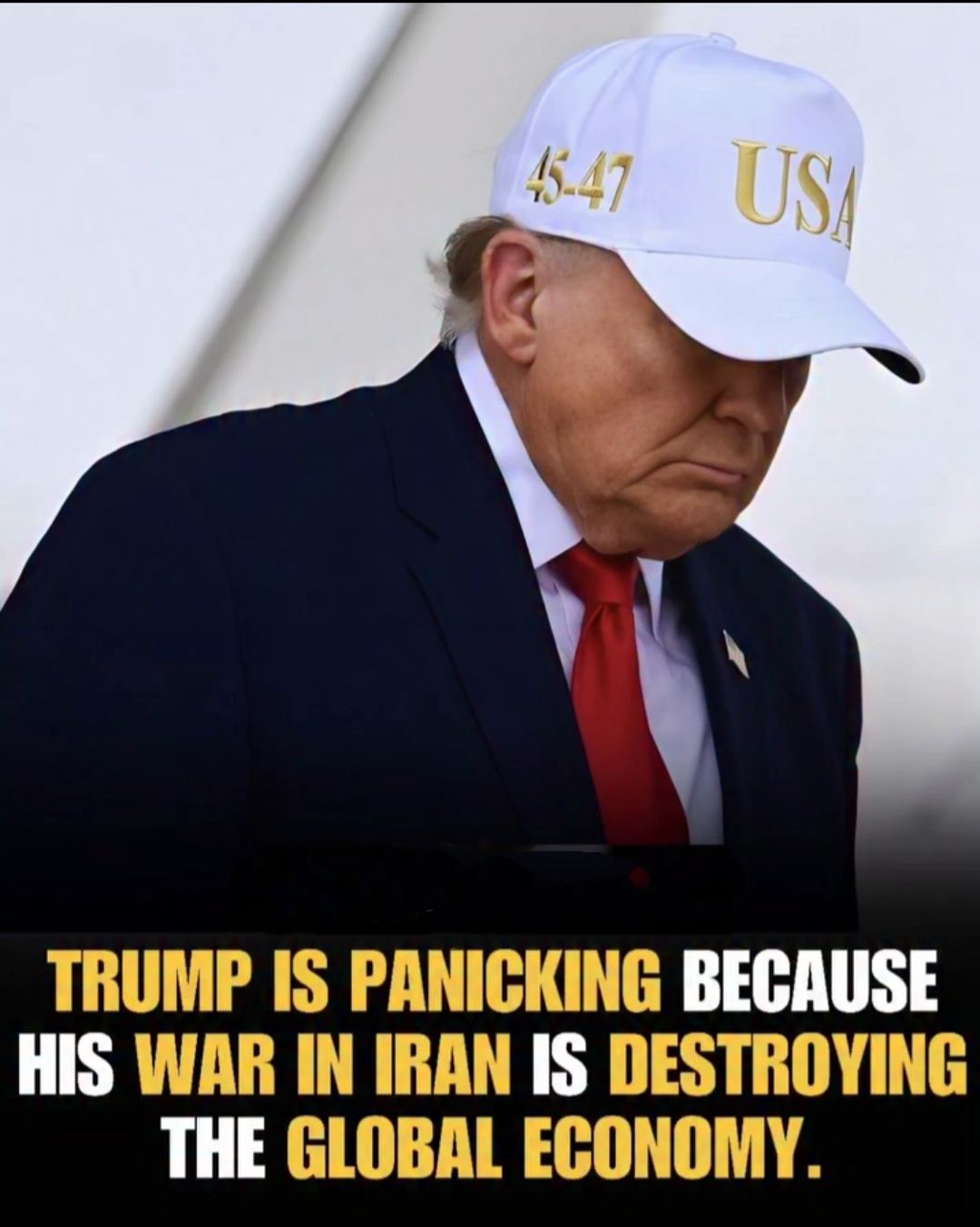
• Global markets are experiencing extreme volatility as tensions in the Middle East and risks to global energy supplies make investors increasingly cautious.
    Economic pressure is also growing around the ongoing U.S.–Iran conflict, as developments in the region continue to influence oil prices, major trade routes, and overall investor sentiment.
    Recent reports indicate that major U.S. indexes such as the Dow Jones and S&P 500 have seen noticeable swings since the tensions escalated. At one point, the Dow had dropped more than 1,000 points from late-February levels when the first airstrikes began, reflecting growing uncertainty in global markets.
    One of the biggest concerns is the Strait of Hormuz, one of the world’s most critical oil chokepoints. Roughly 20% of global oil supply passes through the strait, meaning any disruption to shipping there could trigger a sharp spike in energy prices and intensify inflation fears worldwide.
    During the peak of the tensions, Brent crude oil briefly surged to around $119 per barrel, raising concerns about a potential energy shock and stagflation. Prices later eased closer to $90 per barrel after signals that the conflict might de-escalate, allowing some markets to stabilize temporarily.
    Economists warn that if the conflict becomes prolonged, several risks could grow: • Rising global inflation and fuel costs
    • Disruptions to shipping routes and supply chains
    • Increased currency pressure on developing economies
    • A higher risk of a global economic slowdown
    As uncertainty continues, many investors are shifting toward safe-haven assets like gold and the U.S. dollar, while equity markets and tech stocks continue to experience sharp swings.
    #GlobalEconomy #MarketVolatility #OilCrisis #IranConflict #WorldMarkets #BreakingNews #Geopolitics
    Global markets are experiencing extreme volatility as tensions in the Middle East and risks to global energy supplies make investors increasingly cautious. Economic pressure is also growing around the ongoing U.S.–Iran conflict, as developments in the region continue to influence oil prices, major trade routes, and overall investor sentiment. Recent reports indicate that major U.S. indexes such as the Dow Jones and S&P 500 have seen noticeable swings since the tensions escalated. At one point, the Dow had dropped more than 1,000 points from late-February levels when the first airstrikes began, reflecting growing uncertainty in global markets. One of the biggest concerns is the Strait of Hormuz, one of the world’s most critical oil chokepoints. Roughly 20% of global oil supply passes through the strait, meaning any disruption to shipping there could trigger a sharp spike in energy prices and intensify inflation fears worldwide. During the peak of the tensions, Brent crude oil briefly surged to around $119 per barrel, raising concerns about a potential energy shock and stagflation. Prices later eased closer to $90 per barrel after signals that the conflict might de-escalate, allowing some markets to stabilize temporarily. Economists warn that if the conflict becomes prolonged, several risks could grow: • Rising global inflation and fuel costs • Disruptions to shipping routes and supply chains • Increased currency pressure on developing economies • A higher risk of a global economic slowdown As uncertainty continues, many investors are shifting toward safe-haven assets like gold and the U.S. dollar, while equity markets and tech stocks continue to experience sharp swings. #GlobalEconomy #MarketVolatility #OilCrisis #IranConflict #WorldMarkets #BreakingNews #Geopolitics
    Like
    Love
    Wow
    3
    · 0 Commentaires ·0 Parts ·223 Vue ·0 Aperçu
  • Donald Trump announced a plan to build the first new U.S. oil refinery in 50 years in Brownsville.
    He thanked partners in India and energy giant Reliance Industries for backing the project.

    The refinery is part of a proposed $300 billion investment aimed at boosting American energy production and economic ties.
    Trump described it as a step toward restoring U.S. “energy dominance.”
    Donald Trump announced a plan to build the first new U.S. oil refinery in 50 years in Brownsville. He thanked partners in India and energy giant Reliance Industries for backing the project. The refinery is part of a proposed $300 billion investment aimed at boosting American energy production and economic ties. Trump described it as a step toward restoring U.S. “energy dominance.”
    Like
    Love
    Wow
    3
    · 0 Commentaires ·0 Parts ·181 Vue ·0 Aperçu
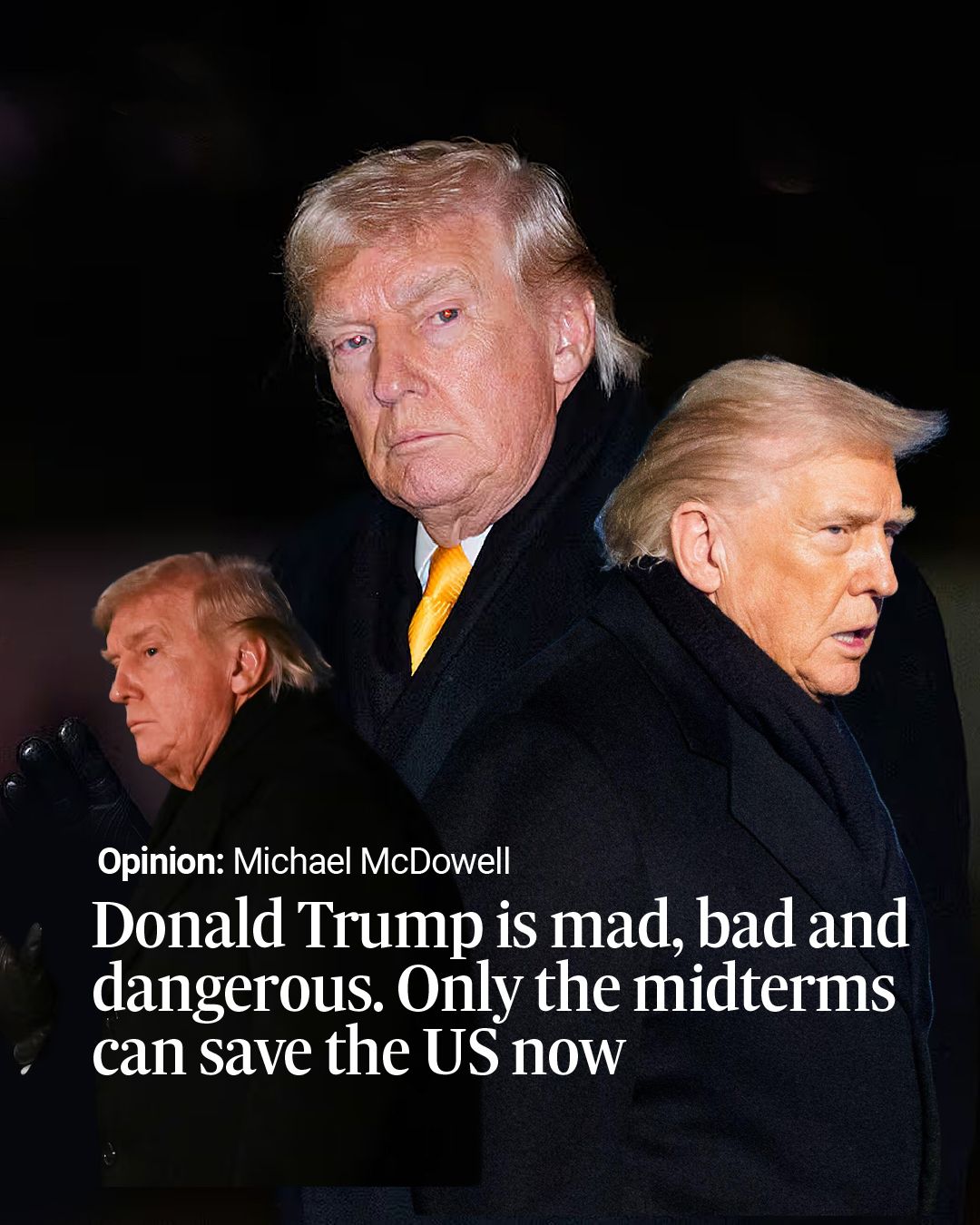
  • As soon as Operation Epic Fury began to move dials in Wall Street in the wrong direction, and the prospect of international inflation, stagnation, energy market mega-turbulence registered with the idiot king Donald J Trump, who is the shame of the US and Americans, the brakes were slammed on.

    The war that Pete Hegseth, self-styled US Secretary for War, championed was dialled down from a projected length of four to six weeks to an operation that could end in days. Trump’s curious refusal to rule out US boots on the ground vanished in a flurry of negative market and economic signals.

    The very first day of Epic Fury, the all-powerful US military fired a barrage of super-sophisticated Tomahawk missiles at Minab in southeastern Iran, one of which hit a primary school, killing a reported 160 girls and staff. Video footage of the American atrocity was proudly uploaded to international media.

    Then Trump became aware of the child carnage, and promptly did what he always does in any such difficulty: he lied. He immediately claimed that the Iranians had butchered those children in an accidental misfiring of their own ordnance.

    Follow
    As soon as Operation Epic Fury began to move dials in Wall Street in the wrong direction, and the prospect of international inflation, stagnation, energy market mega-turbulence registered with the idiot king Donald J Trump, who is the shame of the US and Americans, the brakes were slammed on. The war that Pete Hegseth, self-styled US Secretary for War, championed was dialled down from a projected length of four to six weeks to an operation that could end in days. Trump’s curious refusal to rule out US boots on the ground vanished in a flurry of negative market and economic signals. The very first day of Epic Fury, the all-powerful US military fired a barrage of super-sophisticated Tomahawk missiles at Minab in southeastern Iran, one of which hit a primary school, killing a reported 160 girls and staff. Video footage of the American atrocity was proudly uploaded to international media. Then Trump became aware of the child carnage, and promptly did what he always does in any such difficulty: he lied. He immediately claimed that the Iranians had butchered those children in an accidental misfiring of their own ordnance. Follow
    Like
    Love
    Wow
    3
    · 0 Commentaires ·0 Parts ·254 Vue ·0 Aperçu
  • President Donald Trump has doubled down on his aggressive military stance toward Iran, signaling that U.S. operations are far from over despite earlier claims that the campaign was progressing quickly.
    Speaking about the ongoing conflict, Trump said U.S. forces and their allies are continuing strikes aimed at weakening Iran’s military capabilities. He has previously described the operation as “ahead of schedule,” claiming significant damage has already been inflicted on Iranian naval, missile, and drone systems.
    At the same time, the president warned that military operations are not finished, indicating that the aerial campaign could continue as the U.S. works to eliminate remaining threats.
    The conflict—often referred to as Operation Epic Fury—has already led to escalating tensions across the Middle East, with missile exchanges, strikes on infrastructure, and growing concerns about regional stability and global energy markets.
    Analysts say the coming weeks could prove critical as military pressure continues and diplomatic options remain uncertain.
    #Headlines360 #TrumpNews #IranConflict #MilitaryAction #WorldNews
    President Donald Trump has doubled down on his aggressive military stance toward Iran, signaling that U.S. operations are far from over despite earlier claims that the campaign was progressing quickly. Speaking about the ongoing conflict, Trump said U.S. forces and their allies are continuing strikes aimed at weakening Iran’s military capabilities. He has previously described the operation as “ahead of schedule,” claiming significant damage has already been inflicted on Iranian naval, missile, and drone systems. At the same time, the president warned that military operations are not finished, indicating that the aerial campaign could continue as the U.S. works to eliminate remaining threats. The conflict—often referred to as Operation Epic Fury—has already led to escalating tensions across the Middle East, with missile exchanges, strikes on infrastructure, and growing concerns about regional stability and global energy markets. Analysts say the coming weeks could prove critical as military pressure continues and diplomatic options remain uncertain. #Headlines360 #TrumpNews #IranConflict #MilitaryAction #WorldNews
    Like
    Love
    Wow
    3
    · 0 Commentaires ·0 Parts ·434 Vue ·0 Aperçu
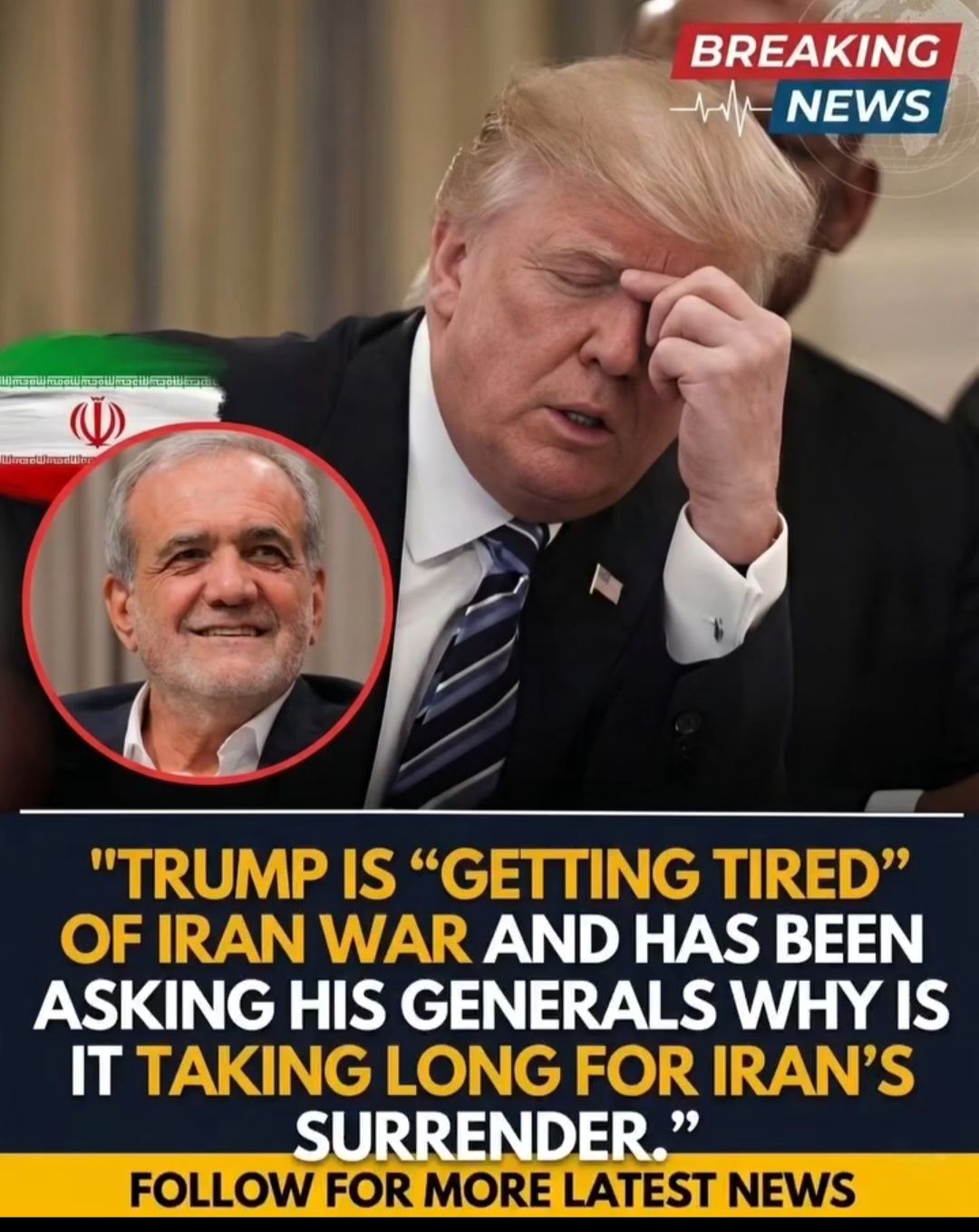
  • President Donald Trump has reportedly expressed growing frustration over the length of the ongoing conflict in the Middle East, telling senior military advisers that he is “getting tired” of the prolonged war with Iran.
    Despite recent Pentagon statements that U.S. forces have been “unleashed” to carry out operations against Iranian targets, the President is said to be questioning why a decisive outcome has not yet been achieved.
    The situation has become increasingly complex as the conflict spreads across the region. Reports indicate that U.S. and allied strikes have targeted key Iranian infrastructure, while Iran has responded with missile attacks against regional targets and energy facilities, raising fears of wider escalation.
    At the same time, global markets are reacting sharply. Concerns over disruptions to energy supplies — particularly around the Strait of Hormuz — have triggered major volatility in oil prices and heightened fears of a broader economic crisis.
    International leaders are now calling for restraint as diplomatic pressure grows to prevent further escalation. Analysts warn that the gap between expectations of a quick resolution and the reality of a prolonged regional conflict could shape global politics and energy markets in the months ahead.
    #WorldNews #MiddleEast #Geopolitics #GlobalEconomy #USPolitics
    President Donald Trump has reportedly expressed growing frustration over the length of the ongoing conflict in the Middle East, telling senior military advisers that he is “getting tired” of the prolonged war with Iran. Despite recent Pentagon statements that U.S. forces have been “unleashed” to carry out operations against Iranian targets, the President is said to be questioning why a decisive outcome has not yet been achieved. The situation has become increasingly complex as the conflict spreads across the region. Reports indicate that U.S. and allied strikes have targeted key Iranian infrastructure, while Iran has responded with missile attacks against regional targets and energy facilities, raising fears of wider escalation. At the same time, global markets are reacting sharply. Concerns over disruptions to energy supplies — particularly around the Strait of Hormuz — have triggered major volatility in oil prices and heightened fears of a broader economic crisis. International leaders are now calling for restraint as diplomatic pressure grows to prevent further escalation. Analysts warn that the gap between expectations of a quick resolution and the reality of a prolonged regional conflict could shape global politics and energy markets in the months ahead. #WorldNews #MiddleEast #Geopolitics #GlobalEconomy #USPolitics
    Like
    Love
    Wow
    3
    · 0 Commentaires ·0 Parts ·586 Vue ·0 Aperçu
Plus de résultats