• The debate over the Epstein files is heating up again.

    Some lawmakers and activists are demanding the full release of all documents related to the Jeffrey Epstein investigation, arguing the public deserves to know who may have been involved — no matter how powerful or politically connected they are.

    Others warn that releasing everything without limits could involve unverified allegations, sensitive victim information, or national security concerns.

    So the question being asked right now is simple — should the Epstein files be released in full, even if it implicates powerful figures, including a sitting president?
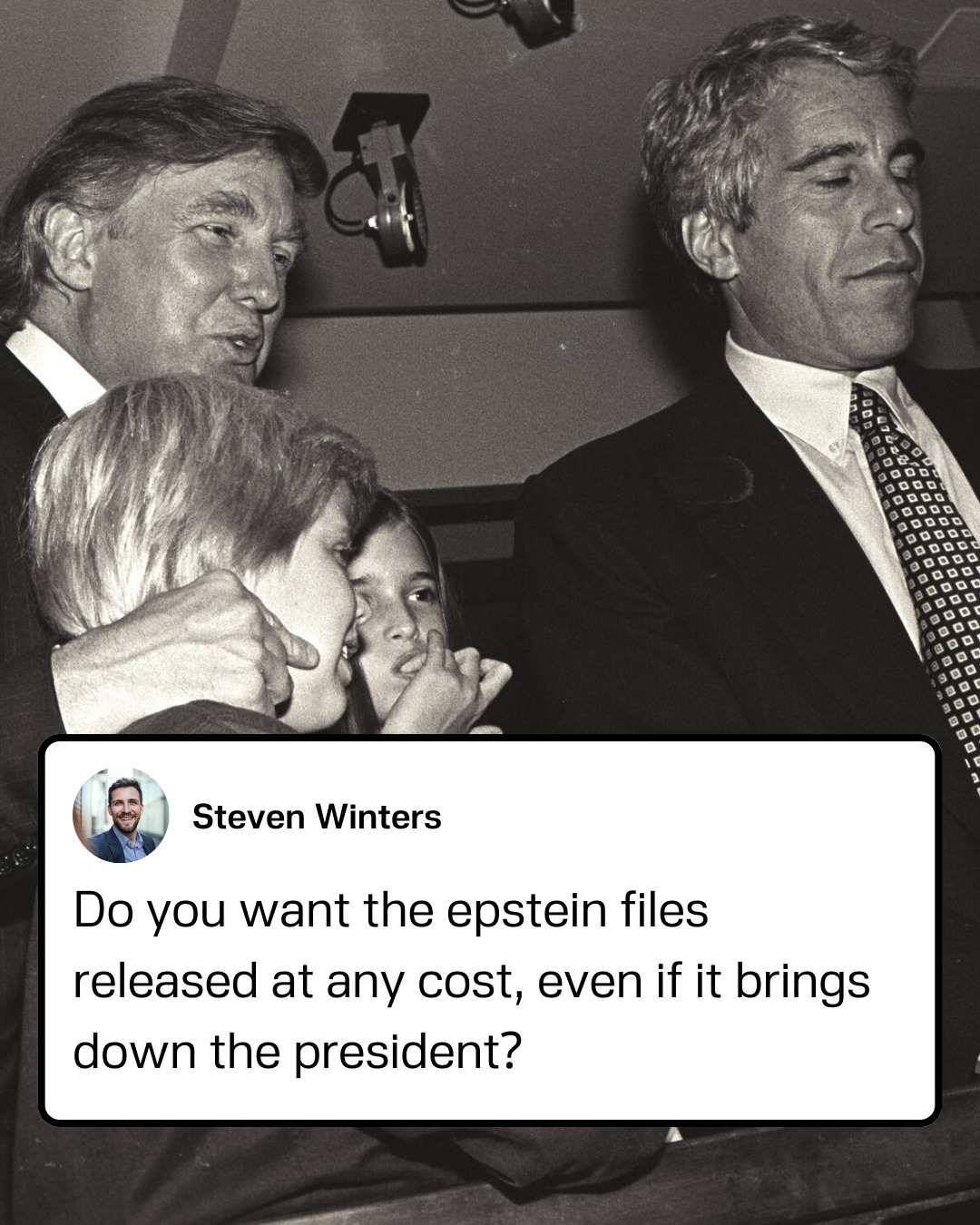
    The debate over the Epstein files is heating up again. Some lawmakers and activists are demanding the full release of all documents related to the Jeffrey Epstein investigation, arguing the public deserves to know who may have been involved — no matter how powerful or politically connected they are. Others warn that releasing everything without limits could involve unverified allegations, sensitive victim information, or national security concerns. So the question being asked right now is simple — should the Epstein files be released in full, even if it implicates powerful figures, including a sitting president?
    Like
    Love
    Wow
    3
    · 0 Комментарии ·0 Поделились ·87 Просмотры ·0 предпросмотр
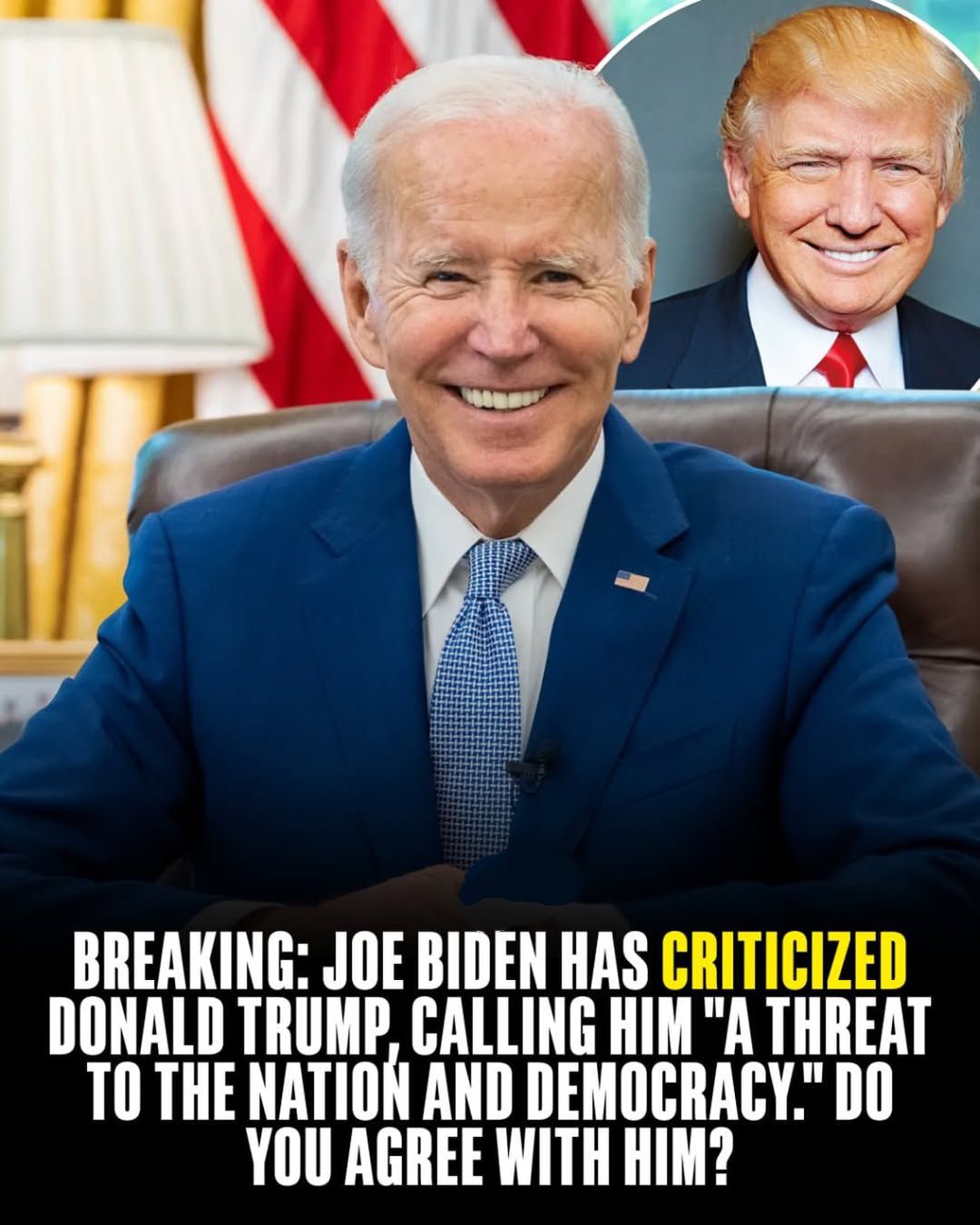
  • Recent political tensions have grown as leaders continue to exchange strong criticism about the future of the country . Some statements have described certain political figures as potential threats to democratic institutions, sparking heated debates across media and online platforms. Supporters on each side interpret these comments very differently, with some agreeing strongly while others see them as exaggerated or politically motivated .

    Discussions like these often reflect deeper divisions about leadership, policy, and the direction of democracy . While some people believe strong warnings are necessary to protect democratic systems, others argue that such language only increases political polarization. The debate continues to fuel conversations across the country about trust in leadership and the stability of democratic institutions.
    Recent political tensions have grown as leaders continue to exchange strong criticism about the future of the country . Some statements have described certain political figures as potential threats to democratic institutions, sparking heated debates across media and online platforms. Supporters on each side interpret these comments very differently, with some agreeing strongly while others see them as exaggerated or politically motivated . Discussions like these often reflect deeper divisions about leadership, policy, and the direction of democracy . While some people believe strong warnings are necessary to protect democratic systems, others argue that such language only increases political polarization. The debate continues to fuel conversations across the country about trust in leadership and the stability of democratic institutions.
    Like
    Love
    Wow
    3
    · 0 Комментарии ·0 Поделились ·348 Просмотры ·0 предпросмотр
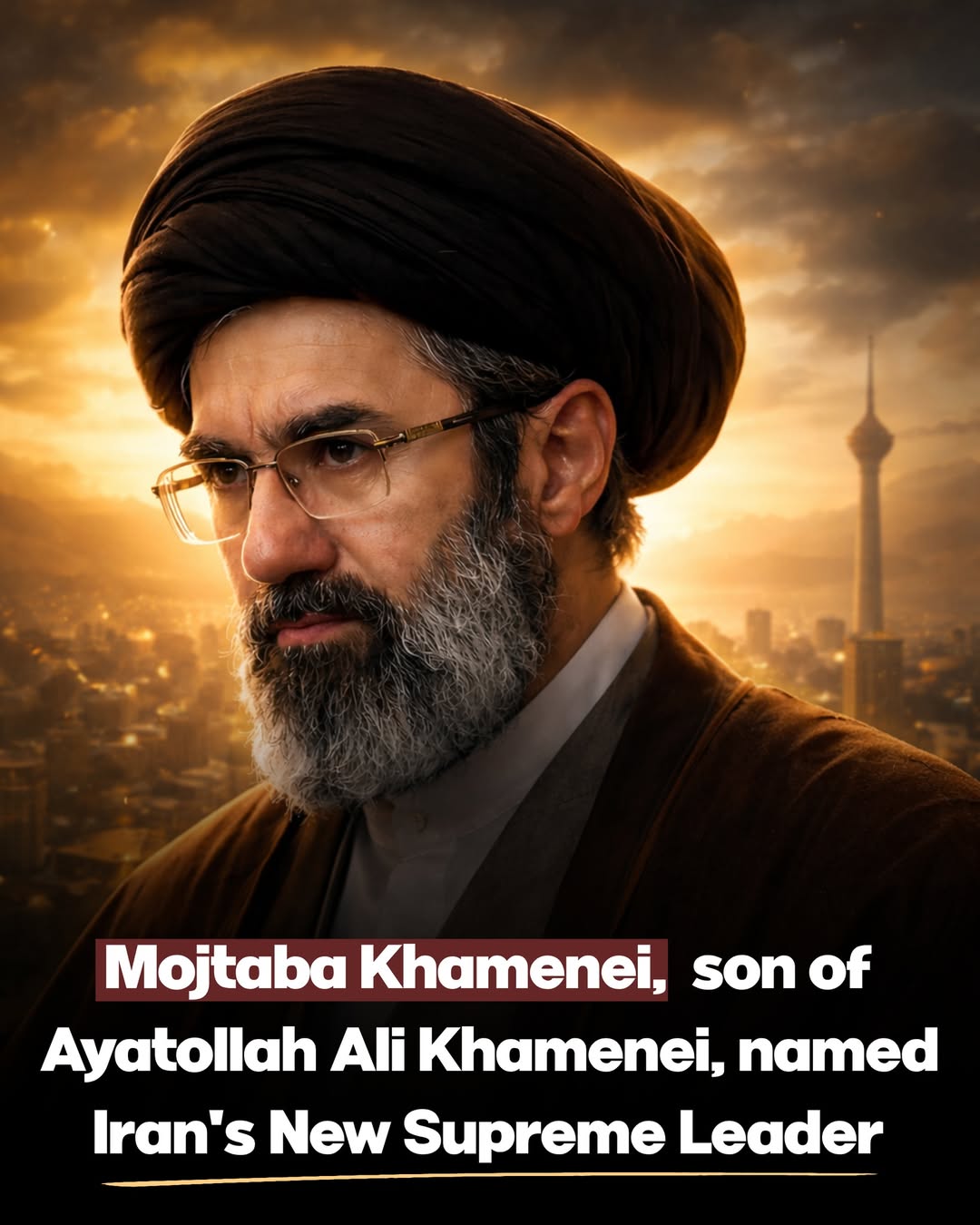
  • Mojtaba Khamenei has reportedly been named Iran’s new Supreme Leader, succeeding his father Ali Khamenei.

    The decision was made by Iran’s Assembly of Experts, the clerical body responsible for selecting the country’s highest authority.

    For years, Mojtaba Khamenei has been viewed as one of the most influential figures inside Iran’s political and religious establishment. Although he rarely appeared in public and never held elected office, he developed strong ties with senior clerics and the powerful Islamic Revolutionary Guard Corps, giving him major influence behind the scenes.

    In Iran’s system of government, the Supreme Leader holds the highest authority, overseeing the military, judiciary, and key state institutions.

    This transition comes during a period of heightened regional tension and marks only the third Supreme Leader since the 1979 Islamic Revolution.

    A major political shift in Iran’s leadership.
    Mojtaba Khamenei has reportedly been named Iran’s new Supreme Leader, succeeding his father Ali Khamenei. The decision was made by Iran’s Assembly of Experts, the clerical body responsible for selecting the country’s highest authority. For years, Mojtaba Khamenei has been viewed as one of the most influential figures inside Iran’s political and religious establishment. Although he rarely appeared in public and never held elected office, he developed strong ties with senior clerics and the powerful Islamic Revolutionary Guard Corps, giving him major influence behind the scenes. In Iran’s system of government, the Supreme Leader holds the highest authority, overseeing the military, judiciary, and key state institutions. This transition comes during a period of heightened regional tension and marks only the third Supreme Leader since the 1979 Islamic Revolution. A major political shift in Iran’s leadership.
    Like
    Love
    Wow
    3
    · 0 Комментарии ·0 Поделились ·448 Просмотры ·0 предпросмотр
  • In 2003, police in a quiet Pennsylvania city surrounded a man sitting on the ground with his hands cuffed behind his back. Around his neck was a heavy metal device that appeared extremely dangerous. Minutes later, it suddenly went off.

    The man was Brian Douglas Wells, a 46-year-old pizza delivery driver. On August 28, 2003, he walked into a PNC Bank in Erie, Pennsylvania carrying what looked like a cane but was actually a disguised weapon, along with a note demanding money. What shocked everyone was the large metal device locked around his neck, which he claimed could detonate.

    Bank employees handed him about $8,700, and he left the building. Soon after, police stopped him in a nearby parking lot. Sitting on the ground, Wells told officers the device had been placed on him and that he had been given a set of strange instructions, almost like a scavenger hunt, to remove it.

    Authorities called in a specialized team while cameras captured the tense scene. Before help could arrive, the timer on the device reached zero and it detonated.

    The event led to a long investigation that eventually uncovered a complicated plot involving several people. Prosecutors later identified Marjorie Diehl-Armstrong as a key figure in the plan. She was convicted in federal court in 2010 and sentenced to life in prison.

    Yet one question still remains.

    Was Brian Wells knowingly involved and misjudged the danger, or was he caught in a plan far more dangerous than he understood?

    Some mysteries continue to leave people searching for answers.
    In 2003, police in a quiet Pennsylvania city surrounded a man sitting on the ground with his hands cuffed behind his back. Around his neck was a heavy metal device that appeared extremely dangerous. Minutes later, it suddenly went off. The man was Brian Douglas Wells, a 46-year-old pizza delivery driver. On August 28, 2003, he walked into a PNC Bank in Erie, Pennsylvania carrying what looked like a cane but was actually a disguised weapon, along with a note demanding money. What shocked everyone was the large metal device locked around his neck, which he claimed could detonate. Bank employees handed him about $8,700, and he left the building. Soon after, police stopped him in a nearby parking lot. Sitting on the ground, Wells told officers the device had been placed on him and that he had been given a set of strange instructions, almost like a scavenger hunt, to remove it. Authorities called in a specialized team while cameras captured the tense scene. Before help could arrive, the timer on the device reached zero and it detonated. The event led to a long investigation that eventually uncovered a complicated plot involving several people. Prosecutors later identified Marjorie Diehl-Armstrong as a key figure in the plan. She was convicted in federal court in 2010 and sentenced to life in prison. Yet one question still remains. Was Brian Wells knowingly involved and misjudged the danger, or was he caught in a plan far more dangerous than he understood? Some mysteries continue to leave people searching for answers.
    Like
    Love
    Wow
    3
    · 0 Комментарии ·0 Поделились ·538 Просмотры ·0 предпросмотр
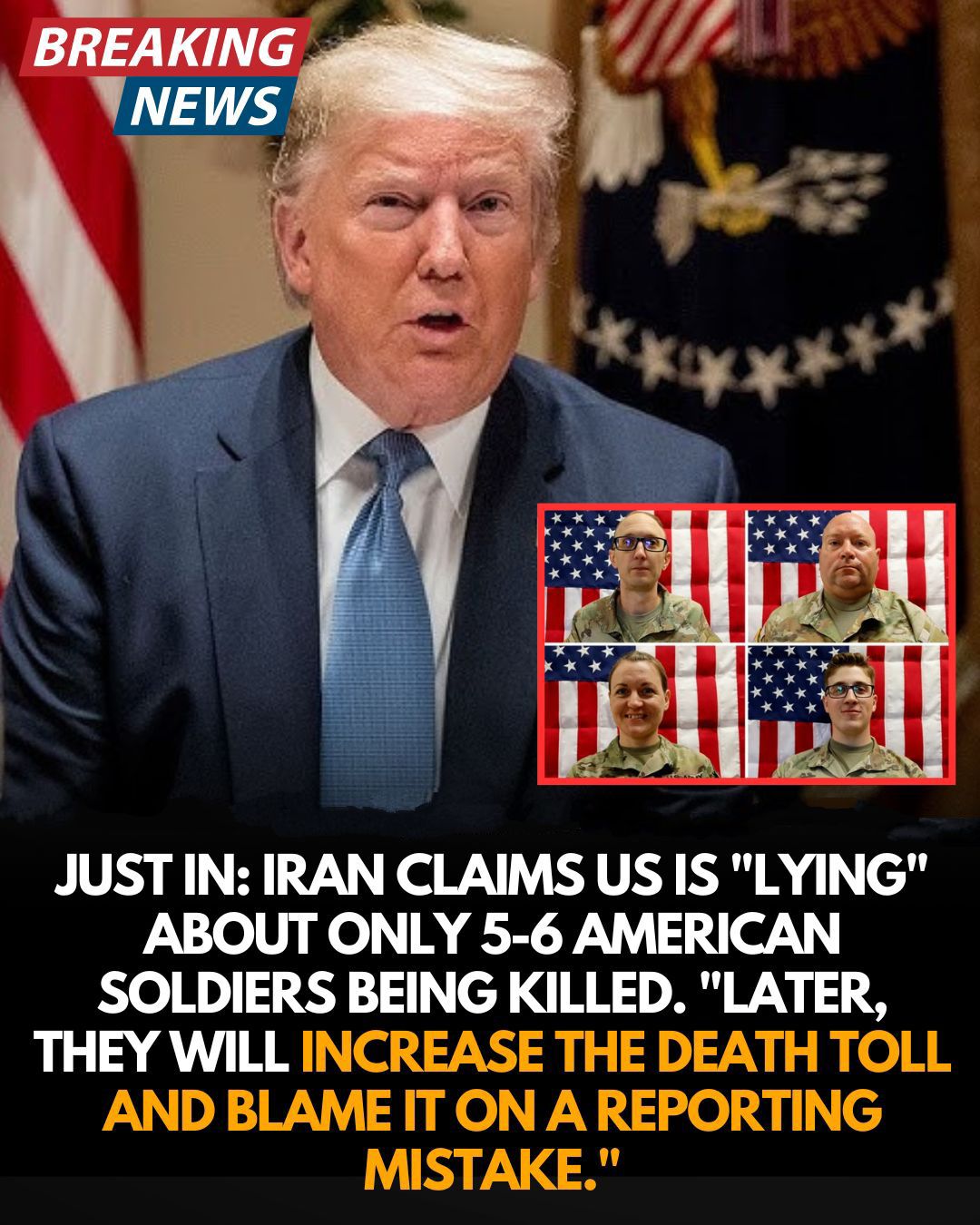
  • In a major intensification of the information war surrounding "Operation Epic Fury," Iranian state media has accused the United States of "lying" about the true number of American casualties. While the Pentagon has confirmed that 5 to 6 U.S. service members were killed in recent clashes, Tehran claims the actual figure is significantly higher and that the U.S. will "later increase the death toll and blame it on a reporting mistake."

    This accusation comes at a critical moment in the 2026 conflict, following Iran's earlier claims of capturing American soldiers and its threat to treat European nations as "legitimate targets" if they join the coalition. The dispute over casualty figures adds a layer of psychological warfare to a theater already reeling from massive explosions at Iranian oil depots and direct Israeli strikes on fuel infrastructure across Tehran.

    Military analysts suggest that by disputing the U.S. reports, Iran is attempting to undermine domestic support for the war and President Trump’s "maximum pressure" campaign. This follows a week of high-stakes developments, including the deployment of a third aircraft carrier, the USS George H.W. Bush, and the first-ever direct targeting of Iranian oil tankers by the Israeli military.

    With the U.S. administration facing internal political pressure and calls for impeachment, the narrative surrounding service member losses has become a flashpoint for both sides. The Pentagon maintains that its reporting is transparent and accurate, while Iranian officials signal they are prepared for a long-term war of attrition lasting at least another six months.

    #IranWar #USMilitary #BreakingNews #Geopolitics #InformationWarfare
    In a major intensification of the information war surrounding "Operation Epic Fury," Iranian state media has accused the United States of "lying" about the true number of American casualties. While the Pentagon has confirmed that 5 to 6 U.S. service members were killed in recent clashes, Tehran claims the actual figure is significantly higher and that the U.S. will "later increase the death toll and blame it on a reporting mistake." This accusation comes at a critical moment in the 2026 conflict, following Iran's earlier claims of capturing American soldiers and its threat to treat European nations as "legitimate targets" if they join the coalition. The dispute over casualty figures adds a layer of psychological warfare to a theater already reeling from massive explosions at Iranian oil depots and direct Israeli strikes on fuel infrastructure across Tehran. Military analysts suggest that by disputing the U.S. reports, Iran is attempting to undermine domestic support for the war and President Trump’s "maximum pressure" campaign. This follows a week of high-stakes developments, including the deployment of a third aircraft carrier, the USS George H.W. Bush, and the first-ever direct targeting of Iranian oil tankers by the Israeli military. With the U.S. administration facing internal political pressure and calls for impeachment, the narrative surrounding service member losses has become a flashpoint for both sides. The Pentagon maintains that its reporting is transparent and accurate, while Iranian officials signal they are prepared for a long-term war of attrition lasting at least another six months. #IranWar #USMilitary #BreakingNews #Geopolitics #InformationWarfare
    Like
    Love
    Wow
    3
    · 0 Комментарии ·0 Поделились ·1Кб Просмотры ·0 предпросмотр
Расширенные страницы