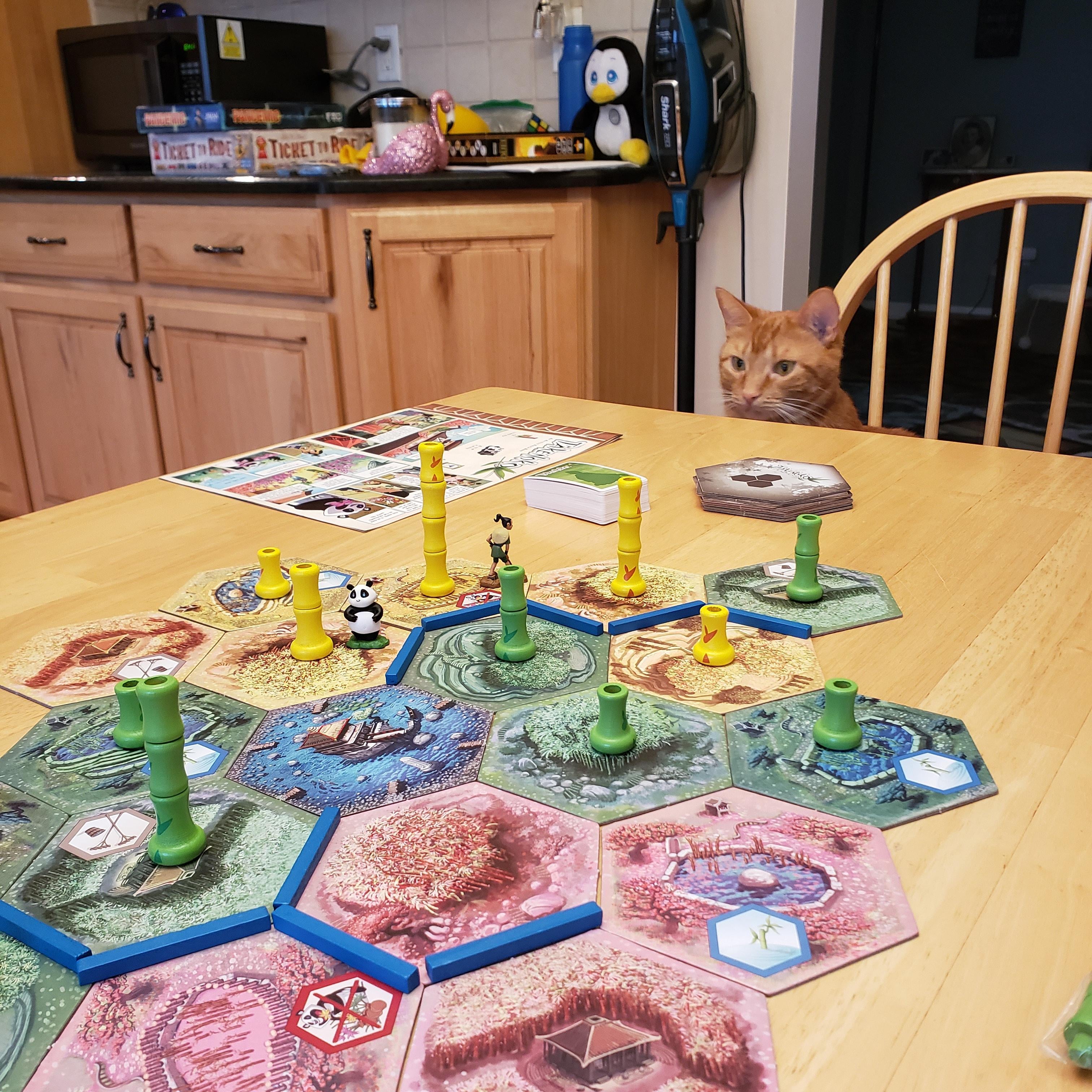
• Butters took my place in the game!!
    Butters took my place in the game!!
    Like
    Love
    Wow
    3
    · 0 Комментарии ·0 Поделились ·141Кб Просмотры ·0 предпросмотр
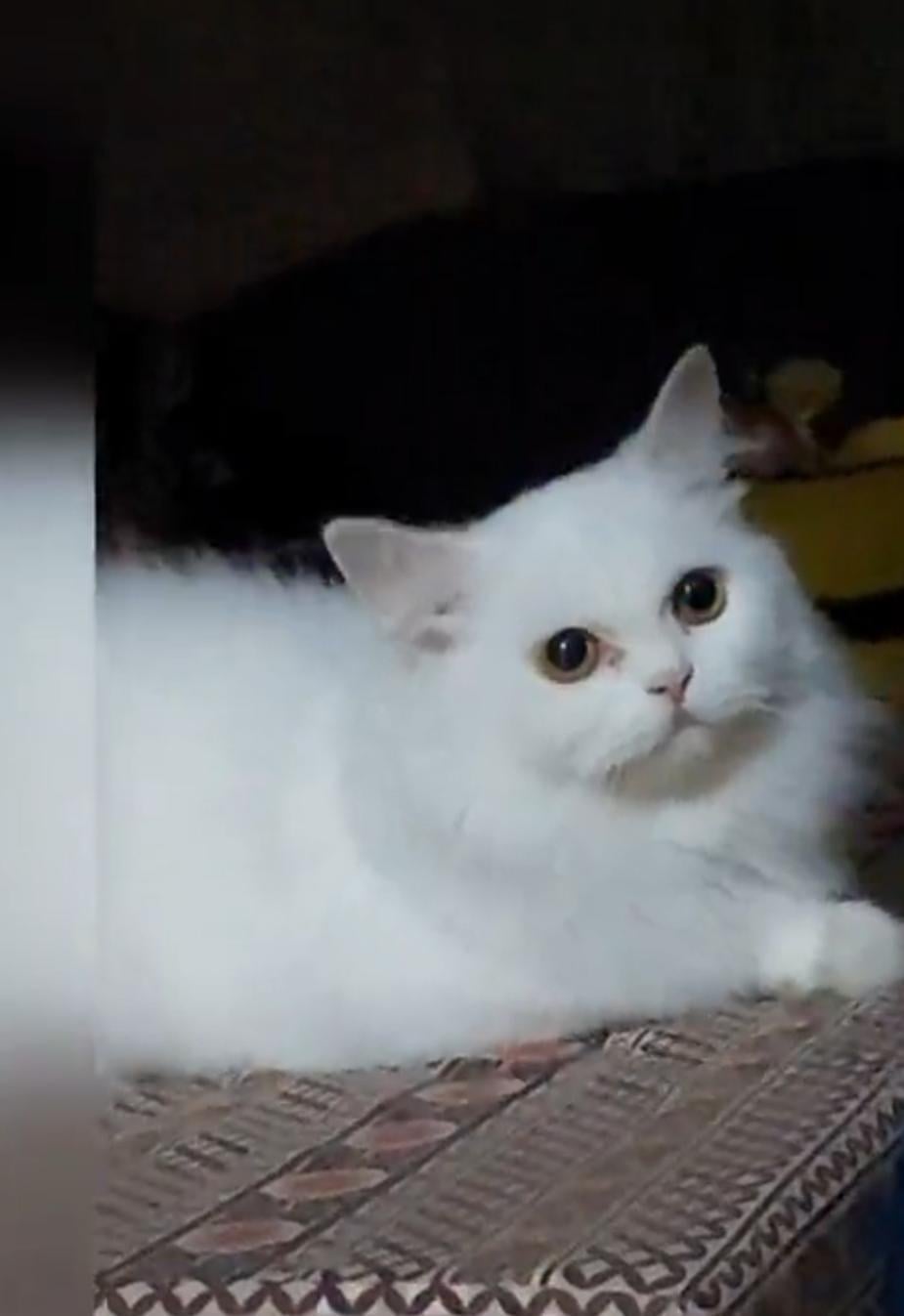
  • This is her favourite place to chill
    This is her favourite place to chill 😎
    Like
    Love
    Wow
    3
    · 0 Комментарии ·0 Поделились ·141Кб Просмотры ·0 предпросмотр
  • Donald Trump is pressuring Congress to pass the SAVE Act (Safeguard American Voter Eligibility Act) and has threatened to withhold support for other legislation until the bill is approved.
    The proposal would require voters to provide documented proof of U.S. citizenship — such as a passport or birth certificate — when registering to vote. It would also introduce stricter voter identification requirements and place tighter limits on mail-in voting.
    Supporters of the bill argue it is necessary to prevent non-citizens from voting in U.S. elections. However, critics say there is little evidence that non-citizen voting has affected election outcomes.
    The legislation has already passed the House of Representatives but faces significant hurdles in the Senate, where it would likely need 60 votes to overcome a filibuster.
    Opponents warn the measure could make voting more difficult for millions of eligible Americans. Many people do not have easy access to documents proving citizenship, and some birth certificates may not match current names, particularly for married women who changed their surnames. Voting rights groups also say the bill could restrict registration drives and allow lawsuits against election officials over registration disputes.
    The debate over the SAVE Act reflects a broader national discussion about election security, voter access, and the balance between preventing fraud and protecting voting rights.
    Source: The Guardian
    #USPolitics #VotingRights #SAVEAct #ElectionLaw #Democracy
    Donald Trump is pressuring Congress to pass the SAVE Act (Safeguard American Voter Eligibility Act) and has threatened to withhold support for other legislation until the bill is approved. The proposal would require voters to provide documented proof of U.S. citizenship — such as a passport or birth certificate — when registering to vote. It would also introduce stricter voter identification requirements and place tighter limits on mail-in voting. Supporters of the bill argue it is necessary to prevent non-citizens from voting in U.S. elections. However, critics say there is little evidence that non-citizen voting has affected election outcomes. The legislation has already passed the House of Representatives but faces significant hurdles in the Senate, where it would likely need 60 votes to overcome a filibuster. Opponents warn the measure could make voting more difficult for millions of eligible Americans. Many people do not have easy access to documents proving citizenship, and some birth certificates may not match current names, particularly for married women who changed their surnames. Voting rights groups also say the bill could restrict registration drives and allow lawsuits against election officials over registration disputes. The debate over the SAVE Act reflects a broader national discussion about election security, voter access, and the balance between preventing fraud and protecting voting rights. Source: The Guardian #USPolitics #VotingRights #SAVEAct #ElectionLaw #Democracy
    Like
    Love
    Wow
    3
    · 0 Комментарии ·0 Поделились ·200 Просмотры ·0 предпросмотр
  • Here’s a cleaner rewritten version (same story, smoother for social media):

    A photo that took eight years to capture.

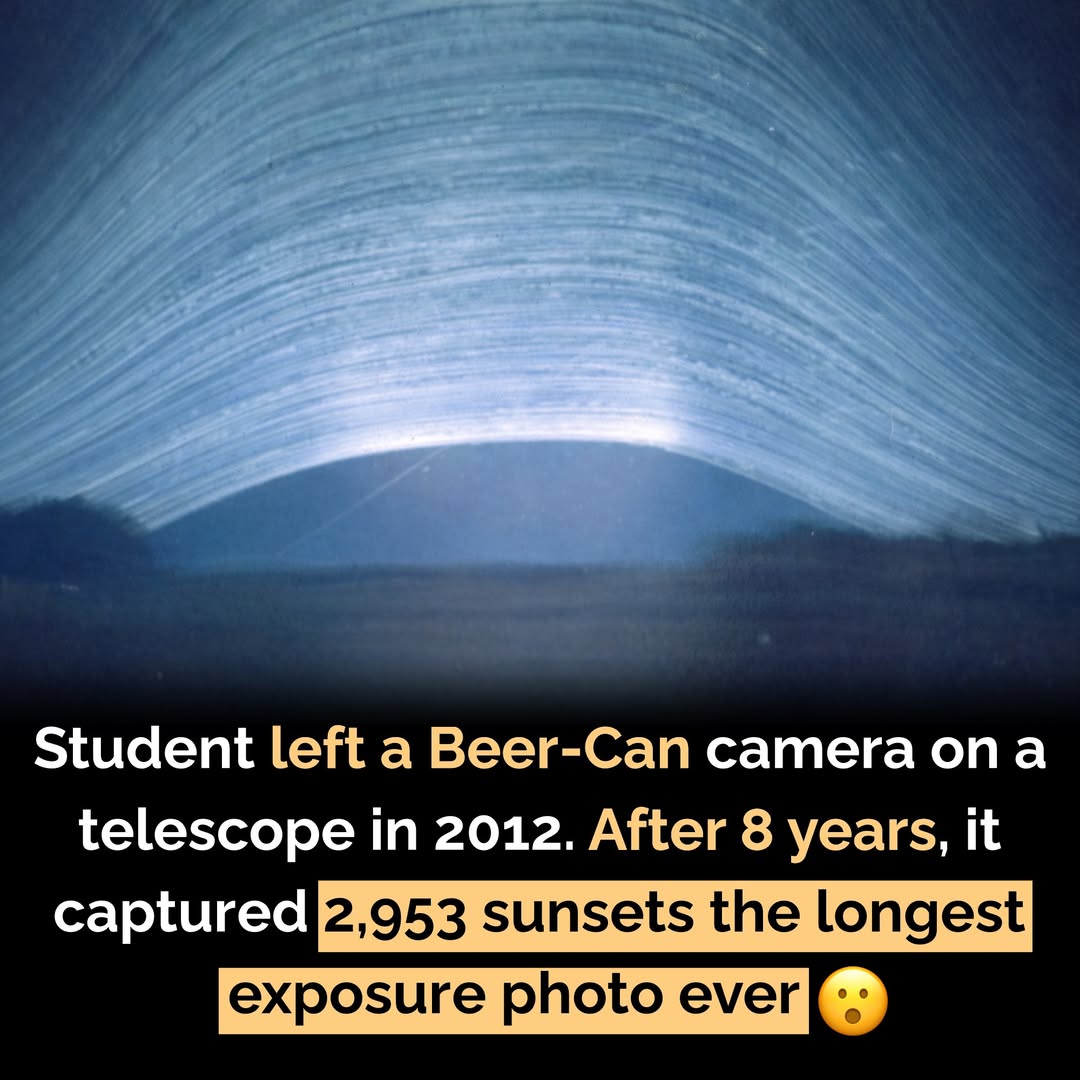
    In 2012, fine art student Regina Valkenborgh was experimenting with pinhole photography at the University of Hertfordshire’s Bayfordbury Observatory in England. She used a simple 500ml cider can, placed photographic paper inside it, poked a tiny hole in the side, and taped it to one of the observatory’s telescopes. Then she forgot about it.

    More than eight years later, in September 2020, the observatory’s technical officer David Campbell was preparing the area for solar panel installation when he noticed the old can. Before throwing it away, he decided to check inside.

    What he found was extraordinary.

    The photographic paper had captured 2,953 arcing trails of the sun rising and setting across the sky over nearly a decade. The image even shows the observatory’s oldest telescope dome and, faintly, a structure that wasn’t built until 2017—right in the middle of the exposure period.

    Valkenborgh had tried similar experiments before, but moisture usually ruined the paper. This one survived by pure chance, quietly recording the sun’s movement while Earth completed eight full orbits.

    The previous record for the longest photographic exposure was four years and eight months, held by German artist Michael Wesely. Valkenborgh’s accidental image nearly doubled it.

    She later said the photo reminds her how small human life is compared to the vast passage of time.

    Just a beer can, a piece of paper, a tiny hole—and eight years of patience she didn’t even know she had.
    Here’s a cleaner rewritten version (same story, smoother for social media): A photo that took eight years to capture. In 2012, fine art student Regina Valkenborgh was experimenting with pinhole photography at the University of Hertfordshire’s Bayfordbury Observatory in England. She used a simple 500ml cider can, placed photographic paper inside it, poked a tiny hole in the side, and taped it to one of the observatory’s telescopes. Then she forgot about it. More than eight years later, in September 2020, the observatory’s technical officer David Campbell was preparing the area for solar panel installation when he noticed the old can. Before throwing it away, he decided to check inside. What he found was extraordinary. The photographic paper had captured 2,953 arcing trails of the sun rising and setting across the sky over nearly a decade. The image even shows the observatory’s oldest telescope dome and, faintly, a structure that wasn’t built until 2017—right in the middle of the exposure period. Valkenborgh had tried similar experiments before, but moisture usually ruined the paper. This one survived by pure chance, quietly recording the sun’s movement while Earth completed eight full orbits. The previous record for the longest photographic exposure was four years and eight months, held by German artist Michael Wesely. Valkenborgh’s accidental image nearly doubled it. She later said the photo reminds her how small human life is compared to the vast passage of time. Just a beer can, a piece of paper, a tiny hole—and eight years of patience she didn’t even know she had.
    Like
    Love
    Wow
    3
    · 0 Комментарии ·0 Поделились ·229 Просмотры ·0 предпросмотр
  • She was born a princess.
    But she chose love.

    Mako Komuro, niece of Naruhito, grew up surrounded by royal tradition and centuries of expectations.

    In 2012, while studying at International Christian University, she met a law student named Kei Komuro in a coffee shop.

    She later said his smile was “bright like the sun.”

    But their relationship quickly became national news. When their engagement was announced in 2017, media scrutiny and public criticism exploded. The pressure became so intense that Mako was later diagnosed with complex PTSD from the coverage.

    Still, they stayed together.

    Komuro moved to New York, studied law, and built a career while they spent years apart waiting for the storm to pass.

    On October 26, 2021, they quietly married.

    No royal ceremony.
    No celebration.

    Mako also gave up her royal title — because under Japanese law, female royals must leave the imperial family if they marry a commoner.

    She even refused the $1.3 million payment traditionally given to princesses who step away from royal life.

    Today, the couple lives in New York City, where Komuro works as a lawyer and Mako volunteers at the Metropolitan Museum of Art.

    In 2025, they welcomed their first child.

    She once explained her decision with a simple sentence:

    “Kei is irreplaceable for me.”

    A princess gave up a palace for the boy she met in a coffee shop — and chose a life built on love instead of a crown.
    She was born a princess. But she chose love. Mako Komuro, niece of Naruhito, grew up surrounded by royal tradition and centuries of expectations. In 2012, while studying at International Christian University, she met a law student named Kei Komuro in a coffee shop. She later said his smile was “bright like the sun.” But their relationship quickly became national news. When their engagement was announced in 2017, media scrutiny and public criticism exploded. The pressure became so intense that Mako was later diagnosed with complex PTSD from the coverage. Still, they stayed together. Komuro moved to New York, studied law, and built a career while they spent years apart waiting for the storm to pass. On October 26, 2021, they quietly married. No royal ceremony. No celebration. Mako also gave up her royal title — because under Japanese law, female royals must leave the imperial family if they marry a commoner. She even refused the $1.3 million payment traditionally given to princesses who step away from royal life. Today, the couple lives in New York City, where Komuro works as a lawyer and Mako volunteers at the Metropolitan Museum of Art. In 2025, they welcomed their first child. She once explained her decision with a simple sentence: “Kei is irreplaceable for me.” A princess gave up a palace for the boy she met in a coffee shop — and chose a life built on love instead of a crown.
    Like
    Love
    Wow
    3
    · 0 Комментарии ·0 Поделились ·282 Просмотры ·0 предпросмотр
Расширенные страницы