• In a significant development marking the first such passage since the start of the war, a French ship has successfully navigated through the Strait of Hormuz with Iran's cooperation, demonstrating that the critical maritime corridor remains accessible to Western European vessels without American involvement.

    The safe transit underscores Iran's autonomous control over one of the world's most vital shipping chokepoints, through which roughly 20% of global oil passes. This breakthrough comes at a time when many feared the strategic waterway might become impassable for Western nations due to escalating regional tensions.

    Iran's decision to facilitate the French vessel's passage represents a pragmatic approach to international commerce, showing that Tehran can maintain professional maritime operations even during wartime conditions. The move suggests Iran remains committed to keeping essential trade routes open for legitimate shipping, despite broader geopolitical conflicts.

    For European nations, this development opens potential pathways for maintaining independent trade relationships in the Persian Gulf region without relying on U.S. coordination or protection. The successful passage may encourage other European shipping companies to explore direct arrangements with Iranian authorities.

    The timing is particularly noteworthy, as this represents the first Western European vessel to make the journey since hostilities began. This could signal a shift toward more direct diplomatic and commercial engagement between Iran and European allies, potentially reshaping maritime security dynamics in the region.

    The incident challenges assumptions about the necessity of American naval oversight in the strait and demonstrates Iran's ability to manage the waterway responsibly during a period of heightened tensions.
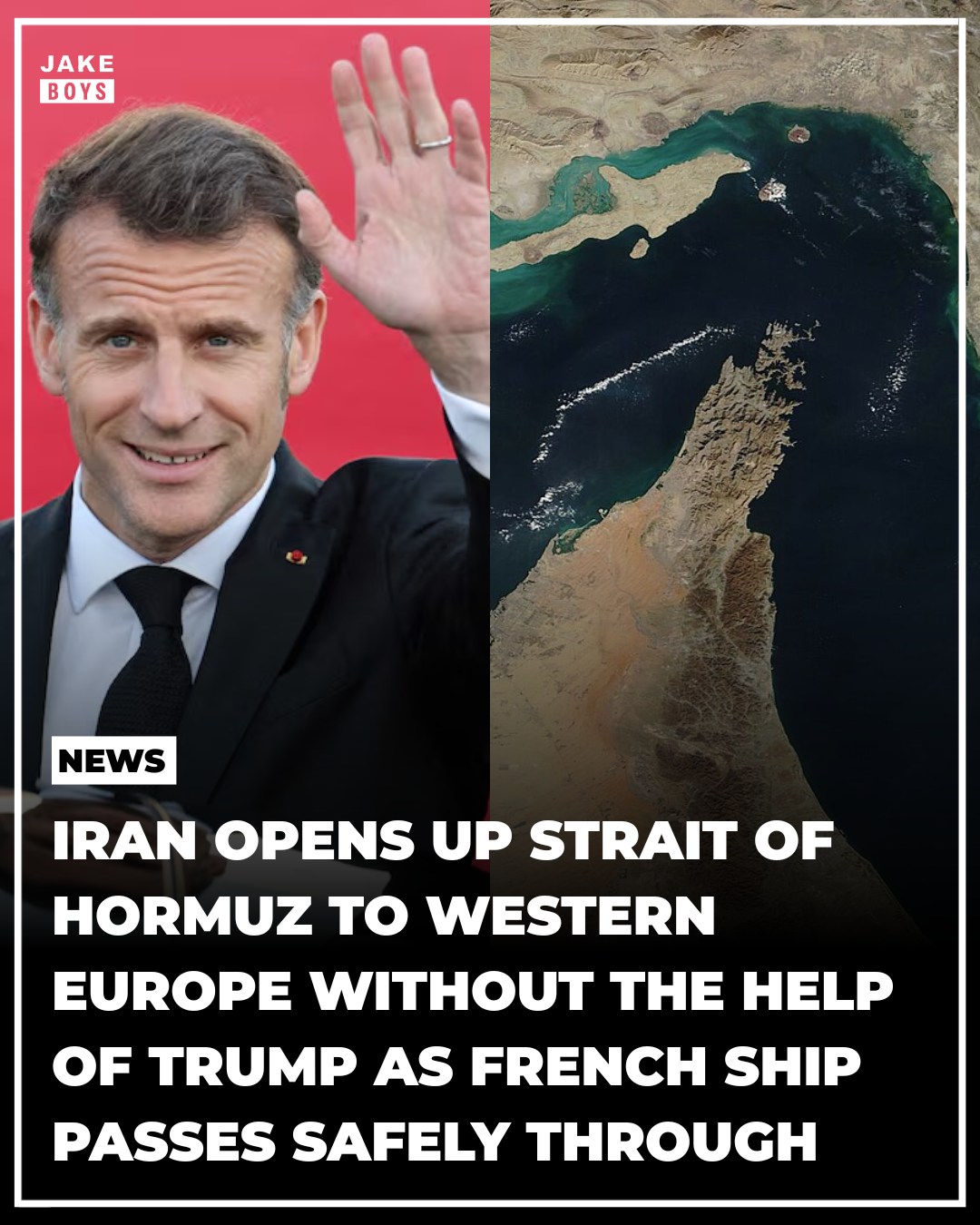
    In a significant development marking the first such passage since the start of the war, a French ship has successfully navigated through the Strait of Hormuz with Iran's cooperation, demonstrating that the critical maritime corridor remains accessible to Western European vessels without American involvement. The safe transit underscores Iran's autonomous control over one of the world's most vital shipping chokepoints, through which roughly 20% of global oil passes. This breakthrough comes at a time when many feared the strategic waterway might become impassable for Western nations due to escalating regional tensions. Iran's decision to facilitate the French vessel's passage represents a pragmatic approach to international commerce, showing that Tehran can maintain professional maritime operations even during wartime conditions. The move suggests Iran remains committed to keeping essential trade routes open for legitimate shipping, despite broader geopolitical conflicts. For European nations, this development opens potential pathways for maintaining independent trade relationships in the Persian Gulf region without relying on U.S. coordination or protection. The successful passage may encourage other European shipping companies to explore direct arrangements with Iranian authorities. The timing is particularly noteworthy, as this represents the first Western European vessel to make the journey since hostilities began. This could signal a shift toward more direct diplomatic and commercial engagement between Iran and European allies, potentially reshaping maritime security dynamics in the region. The incident challenges assumptions about the necessity of American naval oversight in the strait and demonstrates Iran's ability to manage the waterway responsibly during a period of heightened tensions.
    Like
    Love
    Wow
    3
    · 0 Commentarios ·0 Acciones ·49 Views ·0 Vista previa
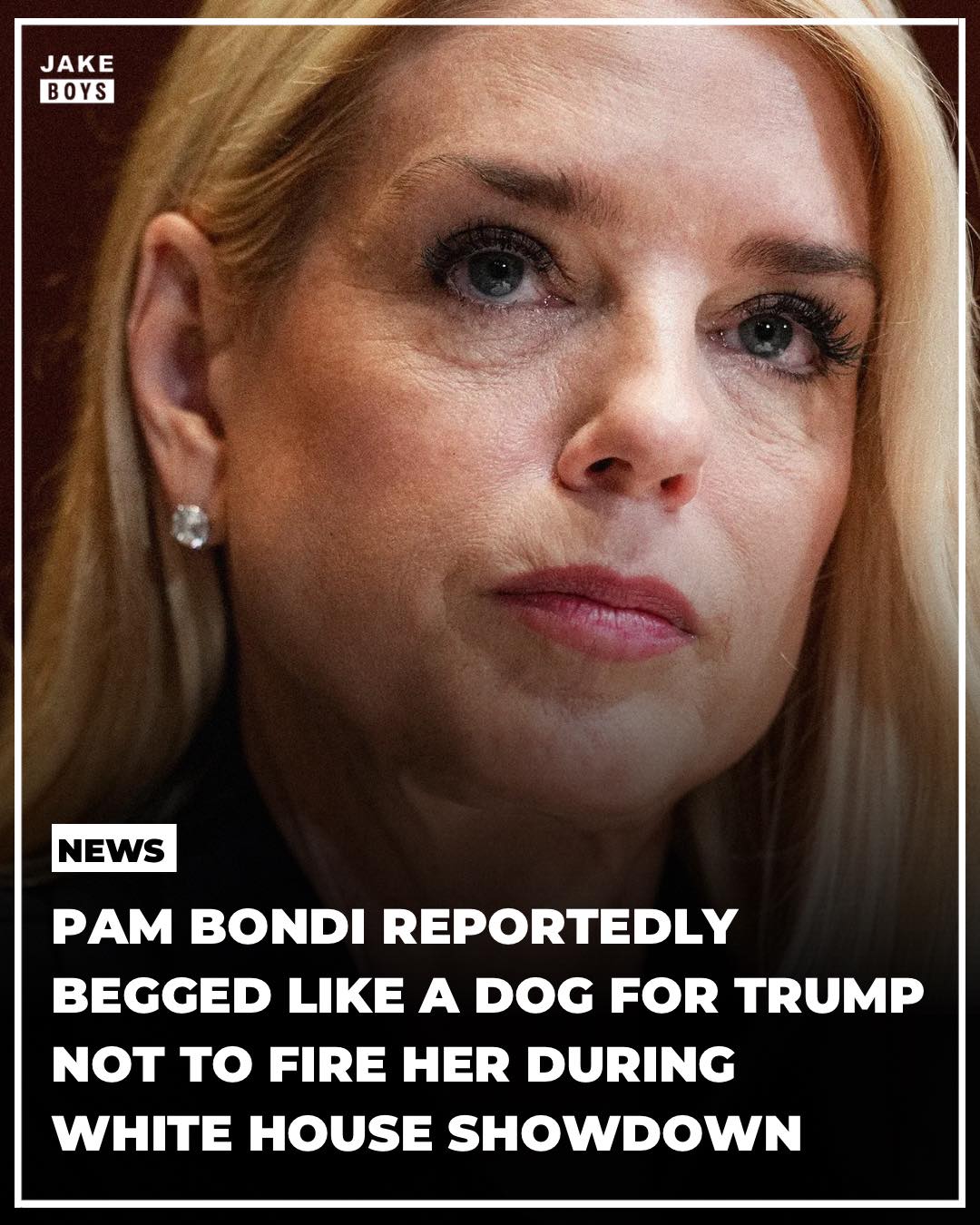
  • Attorney General Pam Bondi pleaded with President Donald Trump not to fire her during a tense White House meeting, highlighting the fraught internal dynamics leading up to her dismissal. But he did it anyway.

    She asked for more time, but Trump sent her walking because she failed him.
    Attorney General Pam Bondi pleaded with President Donald Trump not to fire her during a tense White House meeting, highlighting the fraught internal dynamics leading up to her dismissal. But he did it anyway. She asked for more time, but Trump sent her walking because she failed him.
    Like
    Love
    Wow
    3
    · 0 Commentarios ·0 Acciones ·319 Views ·0 Vista previa
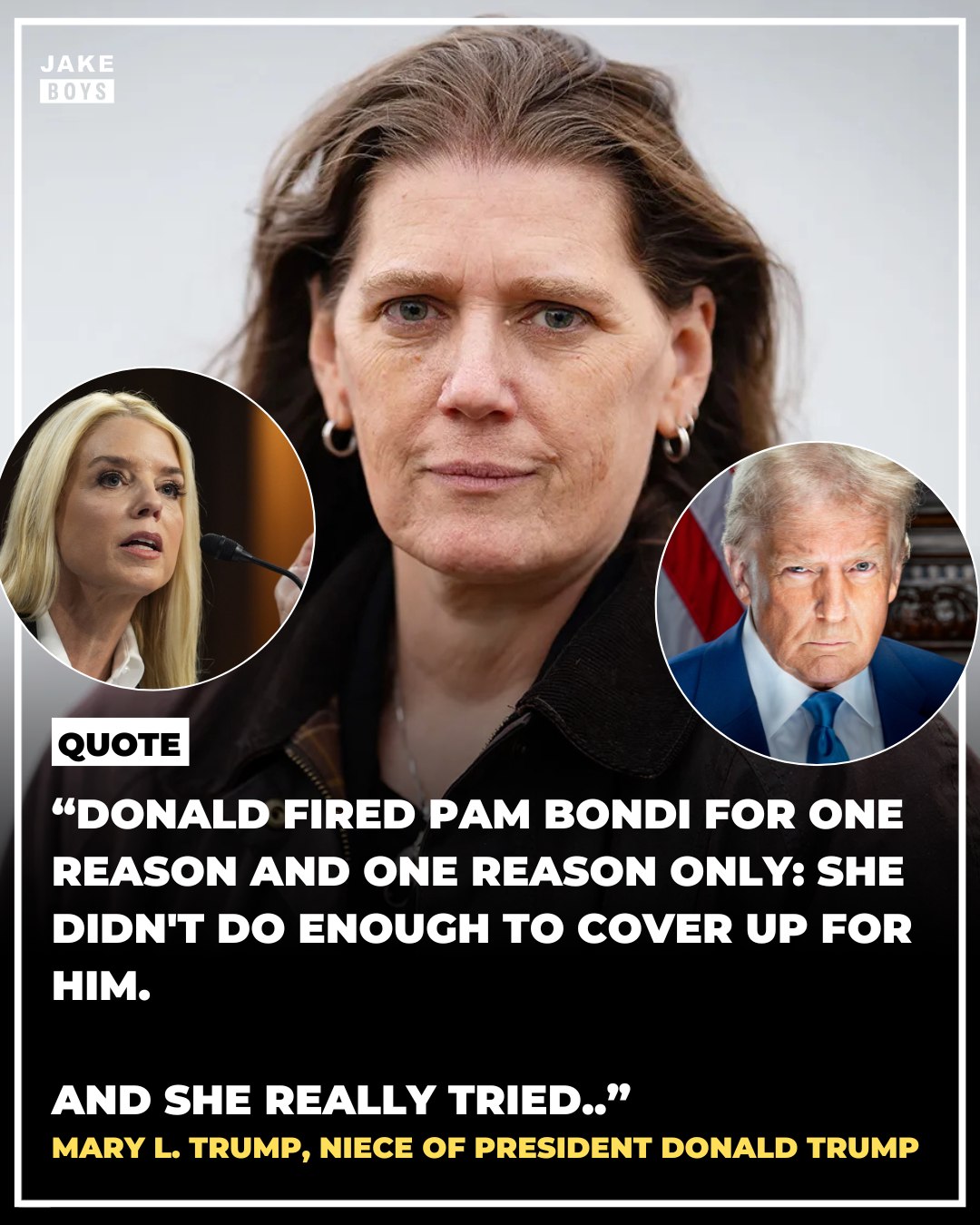
  • Mary L. Trump, niece of President Donald Trump, claims that Attorney General Pam Bondi was fired because, in her view, she “didn’t do enough to cover up” for the president — despite having made significant efforts.

    Her remarks add a personal and critical perspective on the internal dynamics of the administration, highlighting questions about loyalty, legal oversight, and the political pressures surrounding high-profile departures from the Justice Department.
    Mary L. Trump, niece of President Donald Trump, claims that Attorney General Pam Bondi was fired because, in her view, she “didn’t do enough to cover up” for the president — despite having made significant efforts. Her remarks add a personal and critical perspective on the internal dynamics of the administration, highlighting questions about loyalty, legal oversight, and the political pressures surrounding high-profile departures from the Justice Department.
    Like
    Love
    Wow
    3
    · 0 Commentarios ·0 Acciones ·288 Views ·0 Vista previa
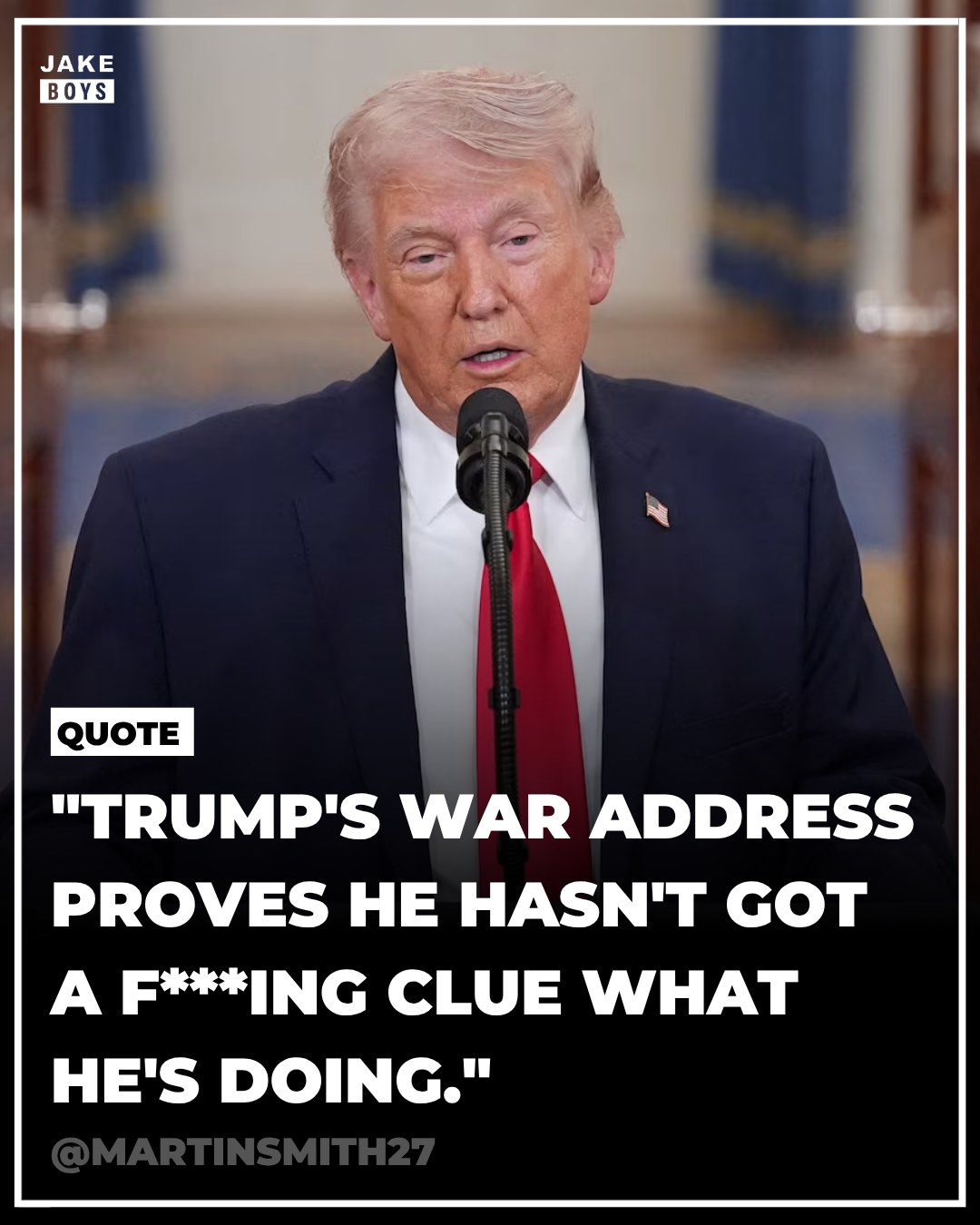
  • A social media user had a blunt assessment of President Trump's recent address on escalating military tensions, declaring: "Trump's war address proves he hasn't got a f***ing clue what he's doing."

    The post reflects the frustration and concern felt by many Americans watching the President's attempts to communicate a coherent strategy amidst the current Middle East crisis. Trump's address was widely criticized for lacking clarity, specificity, and a clear plan of action.

    This sentiment echoes the views of foreign policy experts and national security analysts who have expressed alarm over the Trump administration's apparent improvisational approach to sensitive geopolitical conflicts. The perception that the President lacks a firm grasp on complex global dynamics is fueling growing unease.

    As tensions continue to simmer, the public is being asked to trust the leadership of an administration that many feel is woefully unprepared to navigate these treacherous waters. This latest social media response captures the exasperation felt by those questioning whether Trump has the necessary experience and temperament to de-escalate the situation.
    A social media user had a blunt assessment of President Trump's recent address on escalating military tensions, declaring: "Trump's war address proves he hasn't got a f***ing clue what he's doing." The post reflects the frustration and concern felt by many Americans watching the President's attempts to communicate a coherent strategy amidst the current Middle East crisis. Trump's address was widely criticized for lacking clarity, specificity, and a clear plan of action. This sentiment echoes the views of foreign policy experts and national security analysts who have expressed alarm over the Trump administration's apparent improvisational approach to sensitive geopolitical conflicts. The perception that the President lacks a firm grasp on complex global dynamics is fueling growing unease. As tensions continue to simmer, the public is being asked to trust the leadership of an administration that many feel is woefully unprepared to navigate these treacherous waters. This latest social media response captures the exasperation felt by those questioning whether Trump has the necessary experience and temperament to de-escalate the situation.
    Like
    Love
    Wow
    3
    · 0 Commentarios ·0 Acciones ·805 Views ·0 Vista previa
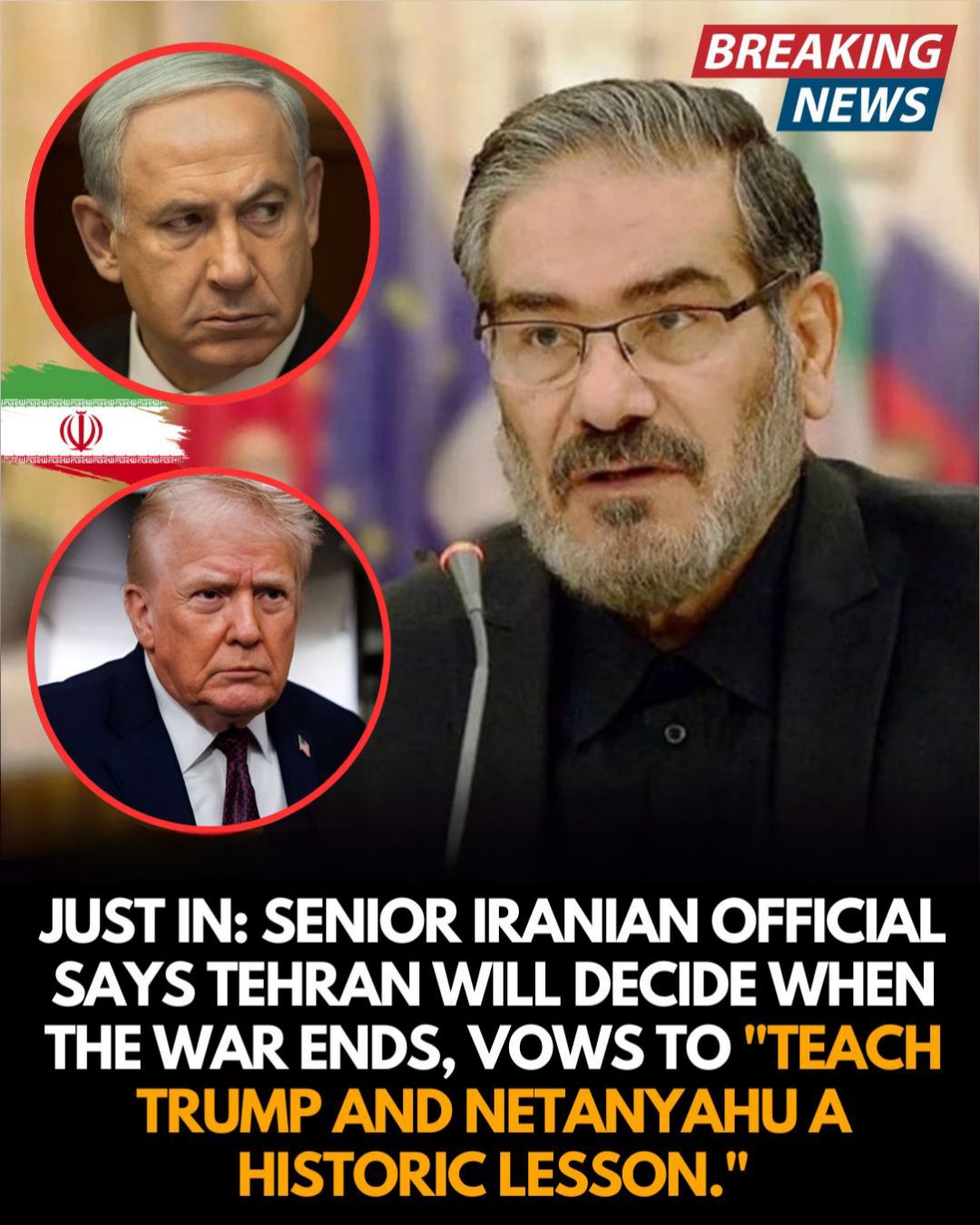
  • Tehran is doubling down on its defiant stance as a high-ranking official asserts that Iran alone holds the key to ending regional hostilities, a bold claim that challenges Western and Israeli influence. This rhetoric comes at a moment of peak tension, signaling that Iran is not looking to de-escalate without significant concessions that meet its strategic goals.

    The "historic lesson" mentioned refers to Iran's expanding arsenal of precision missiles and drone technology, which it views as a deterrent against any direct military intervention by Washington or Jerusalem. By specifically naming both President Trump and Prime Minister Netanyahu, Tehran is emphasizing its belief that current U.S.-Israeli policy is the primary driver of regional instability.

    Geopolitically, this statement is likely intended to project strength to Iran's domestic audience and its network of regional proxies, ensuring they remain committed to the long-term struggle. It underscores a refusal to accept any peace framework that is dictated solely by Western powers or that compromises Iran's territorial sovereignty.

    This hardline positioning makes the prospect of immediate diplomatic breakthroughs much more difficult, as it sets a confrontational tone for any future negotiations through third-party mediators. Military analysts suggest that this language often precedes a shift in tactical operations, potentially indicating an increase in activity along contested borders.

    Ultimately, the official's vow reflects the deep-seated ideological rift between these three nations, where "lessons" are often taught through economic pressure or military posturing. As the rhetoric intensifies, the international community remains on high alert for how this defiance will translate into action on the ground in the coming weeks.

    #Iran #Trump #Netanyahu #Geopolitics #BreakingNews
    Tehran is doubling down on its defiant stance as a high-ranking official asserts that Iran alone holds the key to ending regional hostilities, a bold claim that challenges Western and Israeli influence. This rhetoric comes at a moment of peak tension, signaling that Iran is not looking to de-escalate without significant concessions that meet its strategic goals. The "historic lesson" mentioned refers to Iran's expanding arsenal of precision missiles and drone technology, which it views as a deterrent against any direct military intervention by Washington or Jerusalem. By specifically naming both President Trump and Prime Minister Netanyahu, Tehran is emphasizing its belief that current U.S.-Israeli policy is the primary driver of regional instability. Geopolitically, this statement is likely intended to project strength to Iran's domestic audience and its network of regional proxies, ensuring they remain committed to the long-term struggle. It underscores a refusal to accept any peace framework that is dictated solely by Western powers or that compromises Iran's territorial sovereignty. This hardline positioning makes the prospect of immediate diplomatic breakthroughs much more difficult, as it sets a confrontational tone for any future negotiations through third-party mediators. Military analysts suggest that this language often precedes a shift in tactical operations, potentially indicating an increase in activity along contested borders. Ultimately, the official's vow reflects the deep-seated ideological rift between these three nations, where "lessons" are often taught through economic pressure or military posturing. As the rhetoric intensifies, the international community remains on high alert for how this defiance will translate into action on the ground in the coming weeks. #Iran #Trump #Netanyahu #Geopolitics #BreakingNews
    Like
    Love
    Wow
    3
    · 0 Commentarios ·0 Acciones ·734 Views ·0 Vista previa
Resultados de la búsqueda