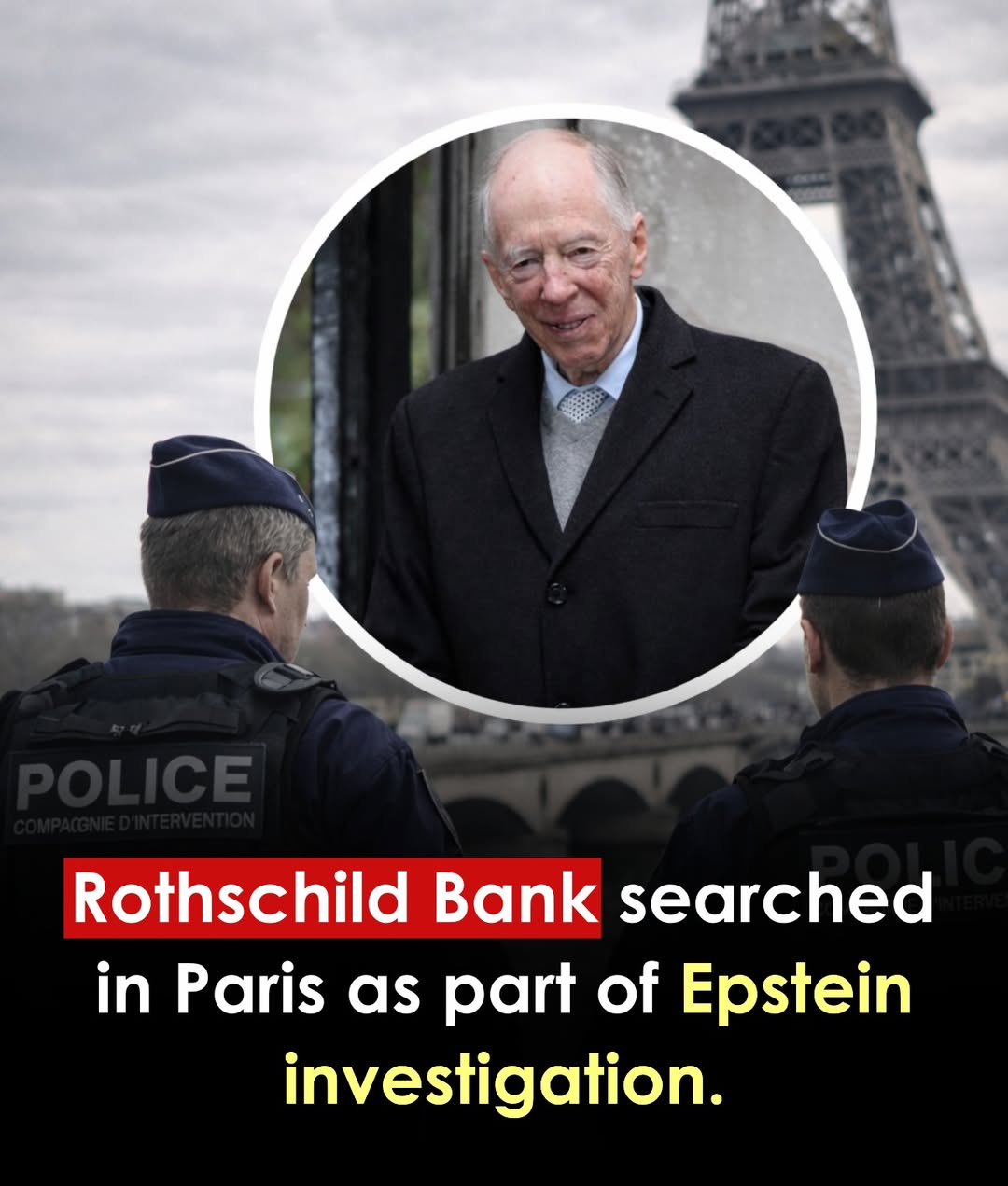
• French prosecutors have raided the Paris offices of Edmond de Rothschild as part of an investigation tied to Jeffrey Epstein. The probe focuses on former diplomat Fabrice Aidan, accused of sharing confidential UN briefings between 2010 and 2016

    Aidan, whose name appears in hundreds of released documents, denies wrongdoing. The case has already led to the resignation of Jack Lang, showing the widening fallout as investigations continue
    French prosecutors have raided the Paris offices of Edmond de Rothschild as part of an investigation tied to Jeffrey Epstein. The probe focuses on former diplomat Fabrice Aidan, accused of sharing confidential UN briefings between 2010 and 2016 Aidan, whose name appears in hundreds of released documents, denies wrongdoing. The case has already led to the resignation of Jack Lang, showing the widening fallout as investigations continue
    Like
    Love
    Wow
    3
    · 0 Commentarii ·0 Distribuiri ·547 Views ·0 previzualizare
  • The late comedian Robin Williams offered a scathing satirical critique of the perceived influence of money in modern American politics through this analogy to NASCAR sponsorships. His statement suggests a belief that elected officials are beholden to and "owned" by wealthy donors and special interests who provide political funding, much like professional race car drivers are associated with the corporate brands that sponsor their vehicles.

    Williams' comparison invokes the visual imagery of politicians wearing branded "sponsor jackets" to make their financial backers explicit and transparent to the public. This idea underscores the comedian's apparent perception that money has become a corrupting force in the democratic process, with elected representatives serving the interests of their financial supporters rather than the broader electorate.

    By drawing this parallel to NASCAR, Williams taps into the widely recognized commercialization of that sport, where driver uniforms and race cars are plastered with corporate logos. Applying that same dynamic to the political realm reflects a cynical view that elected officials have become little more than mouthpieces for the highest bidders.

    This statement reflects a longstanding debate around the role of money in politics and the degree to which it can distort the functioning of democratic institutions. Williams' sardonic proposal suggests a belief that greater transparency around the financial interests influencing politicians could help restore public trust and accountability.

    Ultimately, this quote represents Williams' effort to call attention, through biting humor, to what he perceived as an unhealthy merger of wealth and political power that undermines the principles of representative government.
    The late comedian Robin Williams offered a scathing satirical critique of the perceived influence of money in modern American politics through this analogy to NASCAR sponsorships. His statement suggests a belief that elected officials are beholden to and "owned" by wealthy donors and special interests who provide political funding, much like professional race car drivers are associated with the corporate brands that sponsor their vehicles. Williams' comparison invokes the visual imagery of politicians wearing branded "sponsor jackets" to make their financial backers explicit and transparent to the public. This idea underscores the comedian's apparent perception that money has become a corrupting force in the democratic process, with elected representatives serving the interests of their financial supporters rather than the broader electorate. By drawing this parallel to NASCAR, Williams taps into the widely recognized commercialization of that sport, where driver uniforms and race cars are plastered with corporate logos. Applying that same dynamic to the political realm reflects a cynical view that elected officials have become little more than mouthpieces for the highest bidders. This statement reflects a longstanding debate around the role of money in politics and the degree to which it can distort the functioning of democratic institutions. Williams' sardonic proposal suggests a belief that greater transparency around the financial interests influencing politicians could help restore public trust and accountability. Ultimately, this quote represents Williams' effort to call attention, through biting humor, to what he perceived as an unhealthy merger of wealth and political power that undermines the principles of representative government.
    Like
    Love
    Wow
    3
    · 0 Commentarii ·0 Distribuiri ·738 Views ·0 previzualizare
  • Actor Seth Rogen made a provocative statement criticizing the dominant narratives he was exposed to regarding the history and context of Israel. Rogen, who identifies as Jewish, claimed he was "fed a huge amount of lies" throughout his life about the realities on the ground, specifically disputing the notion that Israel was an empty territory waiting to be claimed.

    Rogen asserted that the common portrayal obscured the fact that "there were people there" prior to the establishment of the Israeli state, implying that the dominant discourse failed to grapple with the presence of existing Palestinian communities. His comparison of the situation to an "open door" suggested he saw the mainstream framing as disingenuously presenting Israel as an unoccupied land.

    The actor went on to categorically state that he "would never live in Israel," indicating a personal rejection of the Zionist ideology and the state of Israel itself. Rogen's concluding statement that living in Israel "doesn't make any sense" to him represented a stark ideological distance from the beliefs and values underpinning the Israeli project.

    This statement reflected a growing willingness among some Jewish individuals to publicly challenge the dominant pro-Israel narrative, particularly the historical claims used to justify the establishment and expansion of the Israeli state. Rogen's comments represented a provocative counterpoint to the conventional perspective, reflecting his own evolving understanding of the Israeli-Palestinian conflict.
    Actor Seth Rogen made a provocative statement criticizing the dominant narratives he was exposed to regarding the history and context of Israel. Rogen, who identifies as Jewish, claimed he was "fed a huge amount of lies" throughout his life about the realities on the ground, specifically disputing the notion that Israel was an empty territory waiting to be claimed. Rogen asserted that the common portrayal obscured the fact that "there were people there" prior to the establishment of the Israeli state, implying that the dominant discourse failed to grapple with the presence of existing Palestinian communities. His comparison of the situation to an "open door" suggested he saw the mainstream framing as disingenuously presenting Israel as an unoccupied land. The actor went on to categorically state that he "would never live in Israel," indicating a personal rejection of the Zionist ideology and the state of Israel itself. Rogen's concluding statement that living in Israel "doesn't make any sense" to him represented a stark ideological distance from the beliefs and values underpinning the Israeli project. This statement reflected a growing willingness among some Jewish individuals to publicly challenge the dominant pro-Israel narrative, particularly the historical claims used to justify the establishment and expansion of the Israeli state. Rogen's comments represented a provocative counterpoint to the conventional perspective, reflecting his own evolving understanding of the Israeli-Palestinian conflict.
    Like
    Love
    Wow
    3
    · 0 Commentarii ·0 Distribuiri ·685 Views ·0 previzualizare
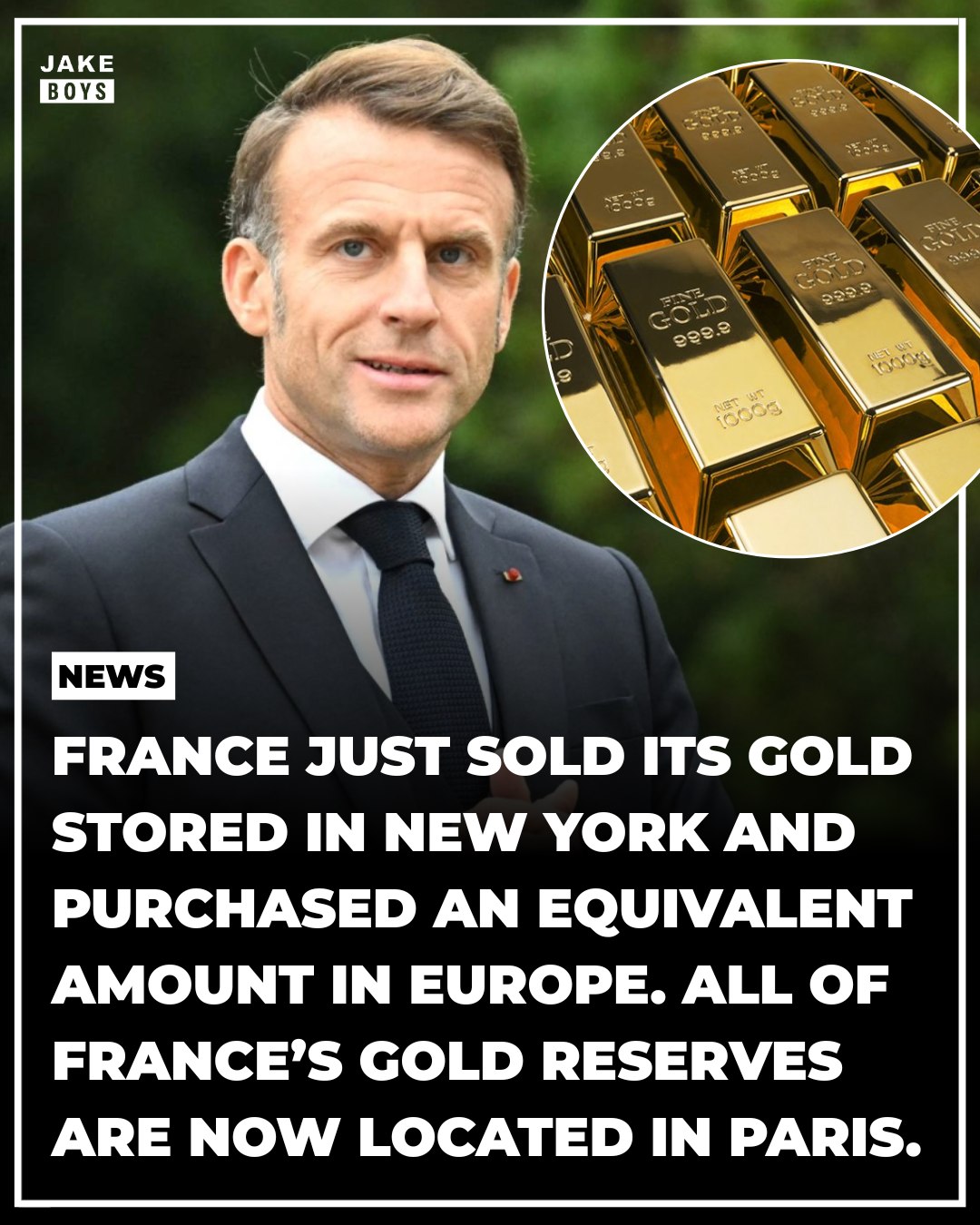
  • France has executed a sweeping transformation of its national gold strategy, divesting all precious metal holdings stored in New York and reacquiring equivalent amounts to be housed exclusively in Paris. This decisive move consolidates France's entire gold reserve portfolio within its sovereign borders for the first time in decades, marking a fundamental shift in how the nation manages its most critical financial assets.

    The relocation represents far more than a simple geographic transfer - it signals France's commitment to maintaining direct, unmediated control over the physical gold that serves as a cornerstone of national economic security. By bringing these reserves home from overseas storage facilities, France has eliminated any potential complications or dependencies that could arise from having strategic assets housed in foreign jurisdictions, regardless of allied relationships.

    This consolidation in Paris ensures that France's central bank and financial authorities have immediate, unrestricted access to these vital reserves. The move also reflects broader conversations happening globally about financial sovereignty and the strategic importance of maintaining domestic control over national wealth stores. For a nation of France's economic stature, this gold repatriation demonstrates a clear preference for financial independence and direct oversight of assets that could prove crucial during times of economic volatility or uncertainty.
    France has executed a sweeping transformation of its national gold strategy, divesting all precious metal holdings stored in New York and reacquiring equivalent amounts to be housed exclusively in Paris. This decisive move consolidates France's entire gold reserve portfolio within its sovereign borders for the first time in decades, marking a fundamental shift in how the nation manages its most critical financial assets. The relocation represents far more than a simple geographic transfer - it signals France's commitment to maintaining direct, unmediated control over the physical gold that serves as a cornerstone of national economic security. By bringing these reserves home from overseas storage facilities, France has eliminated any potential complications or dependencies that could arise from having strategic assets housed in foreign jurisdictions, regardless of allied relationships. This consolidation in Paris ensures that France's central bank and financial authorities have immediate, unrestricted access to these vital reserves. The move also reflects broader conversations happening globally about financial sovereignty and the strategic importance of maintaining domestic control over national wealth stores. For a nation of France's economic stature, this gold repatriation demonstrates a clear preference for financial independence and direct oversight of assets that could prove crucial during times of economic volatility or uncertainty.
    Like
    Love
    Wow
    3
    · 0 Commentarii ·0 Distribuiri ·765 Views ·0 previzualizare