• Yasutomo Ihara, a former actor associated with the Green Power Ranger franchise, has reportedly been arrested in Japan after authorities linked him to a series of residential burglaries.

    According to reports, investigators believe Ihara broke into 43 different homes across the country. Police say he may have used physical skills and tactical awareness developed while training for action scenes during his time working in television.

    Officials noted that abilities such as moving quietly, carefully timing entries, and maintaining strong physical control—skills often practiced for stunt choreography—were allegedly used to help him avoid detection and carry out the break-ins.

    The case has surprised many fans and members of the entertainment community. A figure once connected with hero roles and childhood memories is now facing serious criminal allegations, highlighting how abilities learned for performance can be misused in real life.

    Authorities say the investigation is still ongoing as the legal process continues.

    Yasutomo Ihara, a former actor associated with the Green Power Ranger franchise, has reportedly been arrested in Japan after authorities linked him to a series of residential burglaries. According to reports, investigators believe Ihara broke into 43 different homes across the country. Police say he may have used physical skills and tactical awareness developed while training for action scenes during his time working in television. Officials noted that abilities such as moving quietly, carefully timing entries, and maintaining strong physical control—skills often practiced for stunt choreography—were allegedly used to help him avoid detection and carry out the break-ins. The case has surprised many fans and members of the entertainment community. A figure once connected with hero roles and childhood memories is now facing serious criminal allegations, highlighting how abilities learned for performance can be misused in real life. Authorities say the investigation is still ongoing as the legal process continues.
    Like
    Love
    Wow
    3
    · 0 Comments ·0 Shares ·139 Views ·0 Reviews
  • SHHHH, please be quiet, my little girl wants to sleep
    SHHHH, please be quiet, my little girl wants to sleep😻✨💤
    Like
    Love
    Wow
    3
    · 0 Comments ·0 Shares ·142K Views ·0 Reviews
  • Main character energy: quietly raising $300K to help cats.
    Main character energy: quietly raising $300K to help cats.
    Like
    Love
    Wow
    3
    · 0 Comments ·0 Shares ·318 Views ·0 Reviews
  • Here’s a cleaner rewritten version (same story, smoother for social media):

    A photo that took eight years to capture.

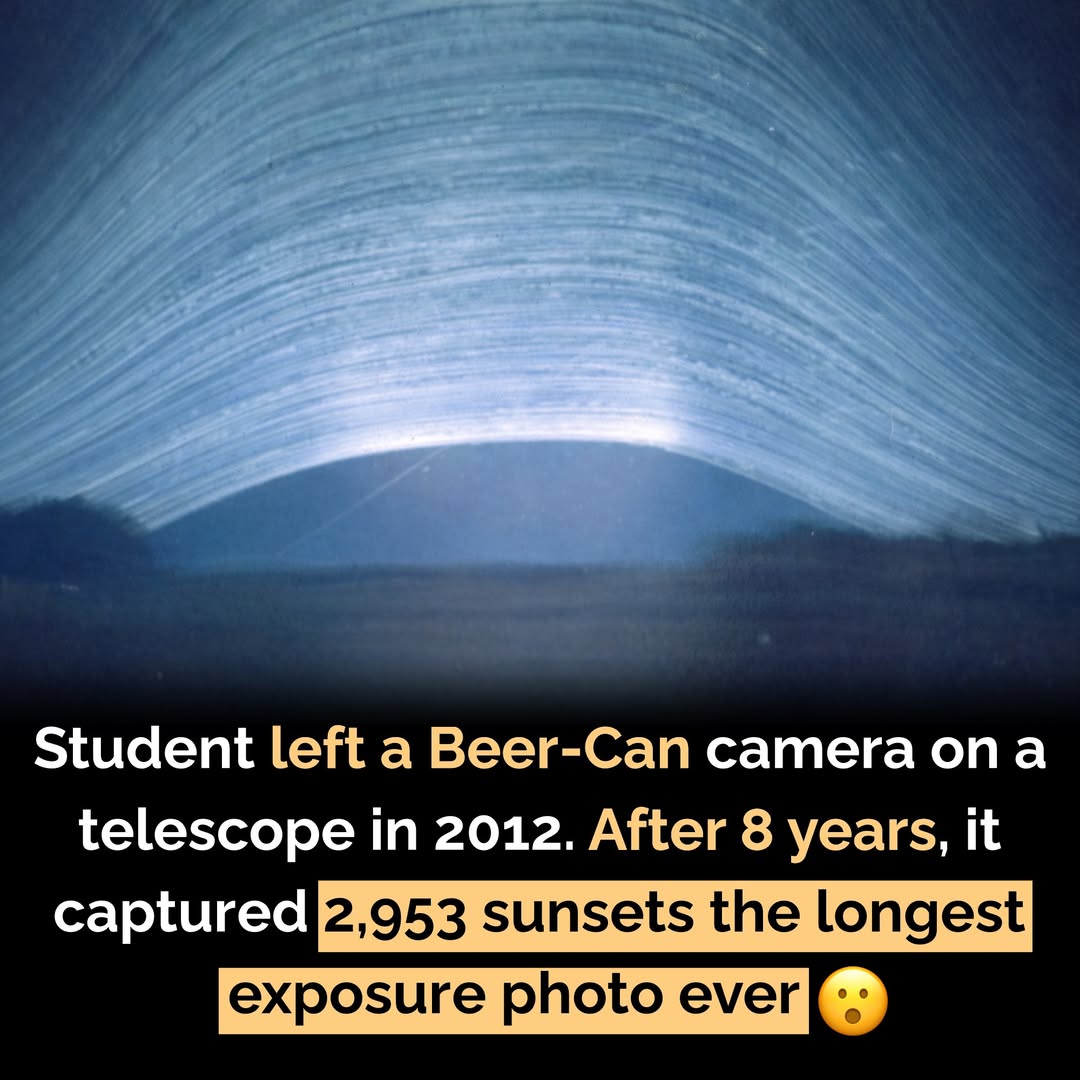
    In 2012, fine art student Regina Valkenborgh was experimenting with pinhole photography at the University of Hertfordshire’s Bayfordbury Observatory in England. She used a simple 500ml cider can, placed photographic paper inside it, poked a tiny hole in the side, and taped it to one of the observatory’s telescopes. Then she forgot about it.

    More than eight years later, in September 2020, the observatory’s technical officer David Campbell was preparing the area for solar panel installation when he noticed the old can. Before throwing it away, he decided to check inside.

    What he found was extraordinary.

    The photographic paper had captured 2,953 arcing trails of the sun rising and setting across the sky over nearly a decade. The image even shows the observatory’s oldest telescope dome and, faintly, a structure that wasn’t built until 2017—right in the middle of the exposure period.

    Valkenborgh had tried similar experiments before, but moisture usually ruined the paper. This one survived by pure chance, quietly recording the sun’s movement while Earth completed eight full orbits.

    The previous record for the longest photographic exposure was four years and eight months, held by German artist Michael Wesely. Valkenborgh’s accidental image nearly doubled it.

    She later said the photo reminds her how small human life is compared to the vast passage of time.

    Just a beer can, a piece of paper, a tiny hole—and eight years of patience she didn’t even know she had.
    Here’s a cleaner rewritten version (same story, smoother for social media): A photo that took eight years to capture. In 2012, fine art student Regina Valkenborgh was experimenting with pinhole photography at the University of Hertfordshire’s Bayfordbury Observatory in England. She used a simple 500ml cider can, placed photographic paper inside it, poked a tiny hole in the side, and taped it to one of the observatory’s telescopes. Then she forgot about it. More than eight years later, in September 2020, the observatory’s technical officer David Campbell was preparing the area for solar panel installation when he noticed the old can. Before throwing it away, he decided to check inside. What he found was extraordinary. The photographic paper had captured 2,953 arcing trails of the sun rising and setting across the sky over nearly a decade. The image even shows the observatory’s oldest telescope dome and, faintly, a structure that wasn’t built until 2017—right in the middle of the exposure period. Valkenborgh had tried similar experiments before, but moisture usually ruined the paper. This one survived by pure chance, quietly recording the sun’s movement while Earth completed eight full orbits. The previous record for the longest photographic exposure was four years and eight months, held by German artist Michael Wesely. Valkenborgh’s accidental image nearly doubled it. She later said the photo reminds her how small human life is compared to the vast passage of time. Just a beer can, a piece of paper, a tiny hole—and eight years of patience she didn’t even know she had.
    Like
    Love
    Wow
    3
    · 0 Comments ·0 Shares ·475 Views ·0 Reviews
  • She was born a princess.
    But she chose love.

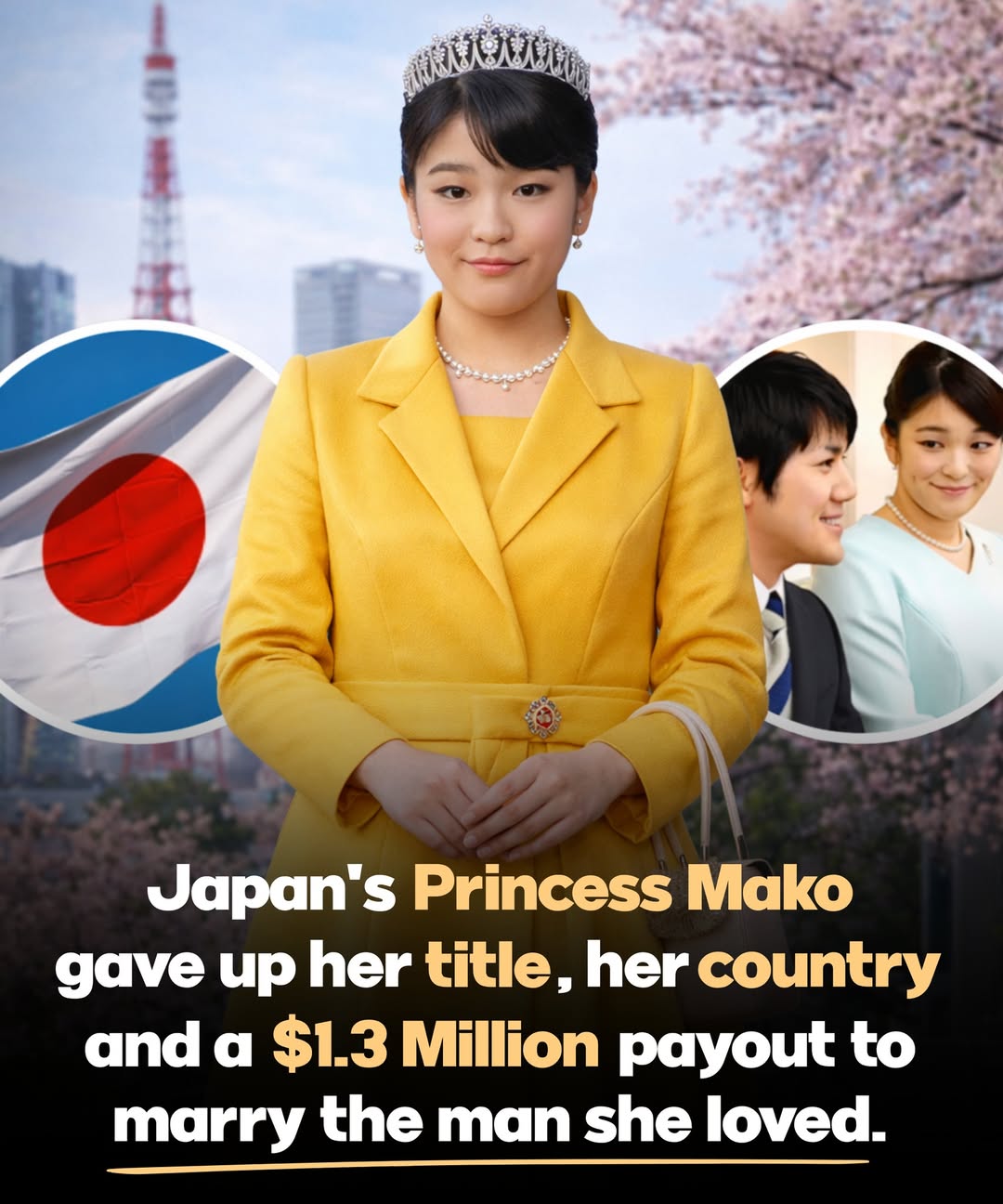
    Mako Komuro, niece of Naruhito, grew up surrounded by royal tradition and centuries of expectations.

    In 2012, while studying at International Christian University, she met a law student named Kei Komuro in a coffee shop.

    She later said his smile was “bright like the sun.”

    But their relationship quickly became national news. When their engagement was announced in 2017, media scrutiny and public criticism exploded. The pressure became so intense that Mako was later diagnosed with complex PTSD from the coverage.

    Still, they stayed together.

    Komuro moved to New York, studied law, and built a career while they spent years apart waiting for the storm to pass.

    On October 26, 2021, they quietly married.

    No royal ceremony.
    No celebration.

    Mako also gave up her royal title — because under Japanese law, female royals must leave the imperial family if they marry a commoner.

    She even refused the $1.3 million payment traditionally given to princesses who step away from royal life.

    Today, the couple lives in New York City, where Komuro works as a lawyer and Mako volunteers at the Metropolitan Museum of Art.

    In 2025, they welcomed their first child.

    She once explained her decision with a simple sentence:

    “Kei is irreplaceable for me.”

    A princess gave up a palace for the boy she met in a coffee shop — and chose a life built on love instead of a crown.
    She was born a princess. But she chose love. Mako Komuro, niece of Naruhito, grew up surrounded by royal tradition and centuries of expectations. In 2012, while studying at International Christian University, she met a law student named Kei Komuro in a coffee shop. She later said his smile was “bright like the sun.” But their relationship quickly became national news. When their engagement was announced in 2017, media scrutiny and public criticism exploded. The pressure became so intense that Mako was later diagnosed with complex PTSD from the coverage. Still, they stayed together. Komuro moved to New York, studied law, and built a career while they spent years apart waiting for the storm to pass. On October 26, 2021, they quietly married. No royal ceremony. No celebration. Mako also gave up her royal title — because under Japanese law, female royals must leave the imperial family if they marry a commoner. She even refused the $1.3 million payment traditionally given to princesses who step away from royal life. Today, the couple lives in New York City, where Komuro works as a lawyer and Mako volunteers at the Metropolitan Museum of Art. In 2025, they welcomed their first child. She once explained her decision with a simple sentence: “Kei is irreplaceable for me.” A princess gave up a palace for the boy she met in a coffee shop — and chose a life built on love instead of a crown.
    Like
    Love
    Wow
    3
    · 0 Comments ·0 Shares ·559 Views ·0 Reviews
More Results