• A group of engineering students in Japan turned a futuristic idea into reality by creating a bicycle that can actually fly. Instead of using fuel or electric motors, the experimental vehicle runs entirely on human power. When the rider pedals, the motion spins a large propeller that generates thrust and lift, allowing the lightweight craft to briefly rise off the ground.

    The flying bicycle is made with ultra-light materials like carbon fiber and aluminum to keep it as light as possible. Large wings or rotor blades help create the lift needed for flight, while the pedaling system transfers energy to the propeller, similar to how a regular bicycle chain powers the wheels.

    Human-powered flight has fascinated engineers for many years. Projects like this show how smart design, lightweight materials, and efficient aerodynamics can make flight possible using only muscle power. Although these prototypes can usually fly only short distances and require careful conditions, they highlight how creativity and innovation can push the limits of what human strength can achieve.
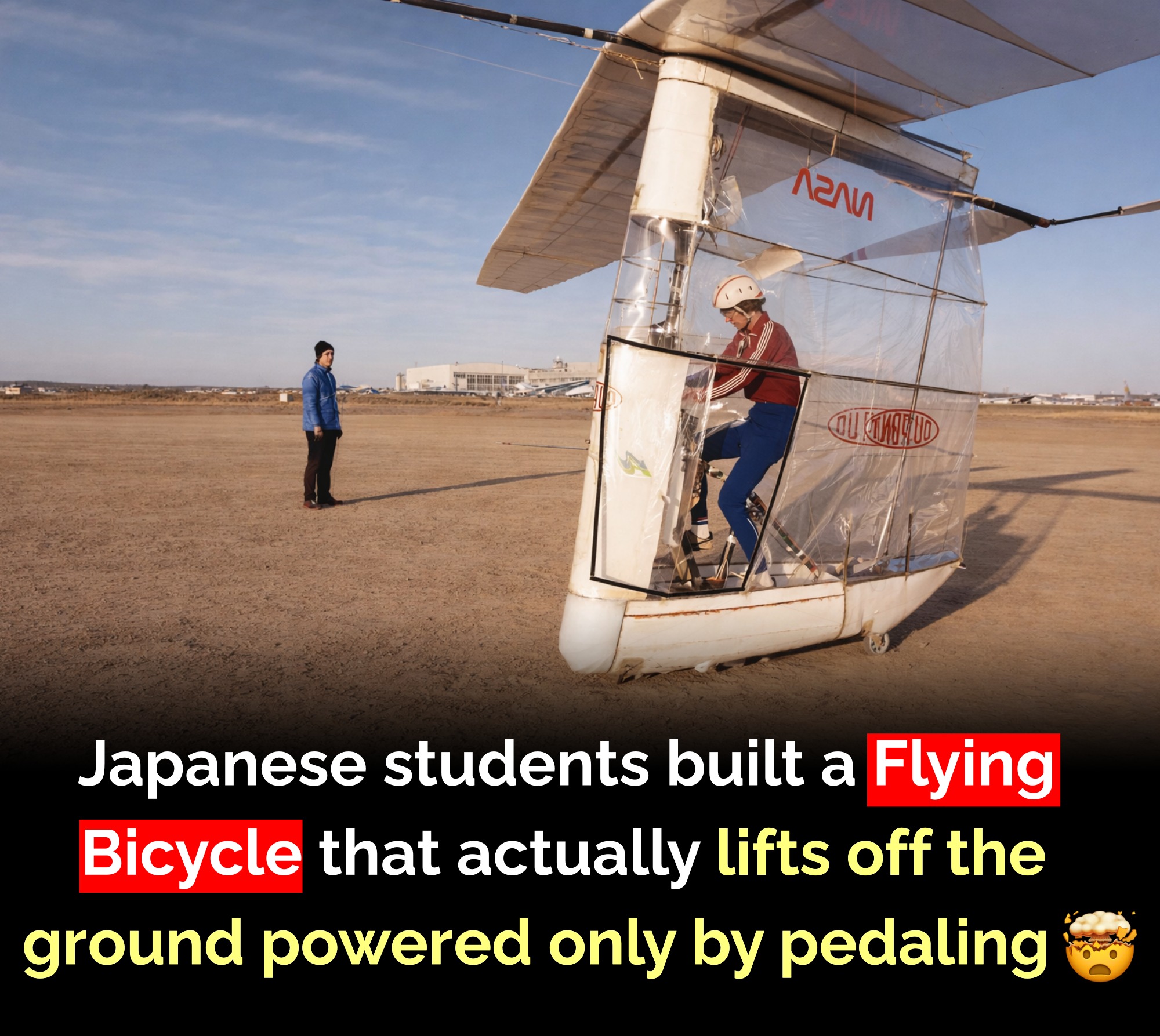
    A group of engineering students in Japan turned a futuristic idea into reality by creating a bicycle that can actually fly. Instead of using fuel or electric motors, the experimental vehicle runs entirely on human power. When the rider pedals, the motion spins a large propeller that generates thrust and lift, allowing the lightweight craft to briefly rise off the ground. The flying bicycle is made with ultra-light materials like carbon fiber and aluminum to keep it as light as possible. Large wings or rotor blades help create the lift needed for flight, while the pedaling system transfers energy to the propeller, similar to how a regular bicycle chain powers the wheels. Human-powered flight has fascinated engineers for many years. Projects like this show how smart design, lightweight materials, and efficient aerodynamics can make flight possible using only muscle power. Although these prototypes can usually fly only short distances and require careful conditions, they highlight how creativity and innovation can push the limits of what human strength can achieve.
    Like
    Love
    Wow
    3
    · 0 Comments ·0 Shares ·90 Views ·0 Reviews
  • A Japanese social media account that appeared to belong to a young female motorcycle rider quickly grabbed attention online . The profile regularly posted cheerful selfies with bikes and travel-style photos, building a fanbase of over **20,000 followers** who loved the biker lifestyle aesthetic .

    Over time, some viewers started noticing small inconsistencies in certain pictures. Sharp-eyed followers spotted strange reflections in motorcycle photos that didn’t quite match the youthful “biker girl” identity . These tiny details sparked curiosity about who was actually behind the account.

    The mystery was eventually revealed on Japanese television . The viral “biker girl” persona turned out to be a **man in his 50s** who had been using **FaceApp and other photo-editing tools** to transform his appearance into a younger, feminine look online .

    In interviews, he explained that the goal was mainly to gain attention and engagement, admitting that a typical middle-aged man posting motorcycle photos probably wouldn’t attract the same interest on social media .

    The reveal quickly went viral and sparked discussions about how powerful modern filters and editing apps have become — and how easily a convincing online identity can be created in today’s digital world .
    A Japanese social media account that appeared to belong to a young female motorcycle rider quickly grabbed attention online . The profile regularly posted cheerful selfies with bikes and travel-style photos, building a fanbase of over **20,000 followers** who loved the biker lifestyle aesthetic . Over time, some viewers started noticing small inconsistencies in certain pictures. Sharp-eyed followers spotted strange reflections in motorcycle photos that didn’t quite match the youthful “biker girl” identity . These tiny details sparked curiosity about who was actually behind the account. The mystery was eventually revealed on Japanese television . The viral “biker girl” persona turned out to be a **man in his 50s** who had been using **FaceApp and other photo-editing tools** to transform his appearance into a younger, feminine look online . In interviews, he explained that the goal was mainly to gain attention and engagement, admitting that a typical middle-aged man posting motorcycle photos probably wouldn’t attract the same interest on social media . The reveal quickly went viral and sparked discussions about how powerful modern filters and editing apps have become — and how easily a convincing online identity can be created in today’s digital world .
    Like
    Love
    Wow
    3
    · 0 Comments ·0 Shares ·438 Views ·0 Reviews
  • Japan is creating electricity with footsteps
    Japan is creating electricity with footsteps💨
    Like
    Love
    Wow
    3
    · 0 Comments ·0 Shares ·80K Views ·0 Reviews
  • Baby macaque Punch at Ichikawa City Zoo in Japan is winning hearts again.
    Visitors recently saw him lift his arm toward the glass as people left, almost like a little goodbye wave.

    The young Japanese macaque is about seven months old and is slowly gaining confidence with other monkeys and visitors.
    And yes — he’s still holding onto his favorite stuffed toy.
    Baby macaque Punch at Ichikawa City Zoo in Japan is winning hearts again. Visitors recently saw him lift his arm toward the glass as people left, almost like a little goodbye wave. The young Japanese macaque is about seven months old and is slowly gaining confidence with other monkeys and visitors. And yes — he’s still holding onto his favorite stuffed toy.
    Like
    Love
    Wow
    3
    · 0 Comments ·0 Shares ·277 Views ·0 Reviews
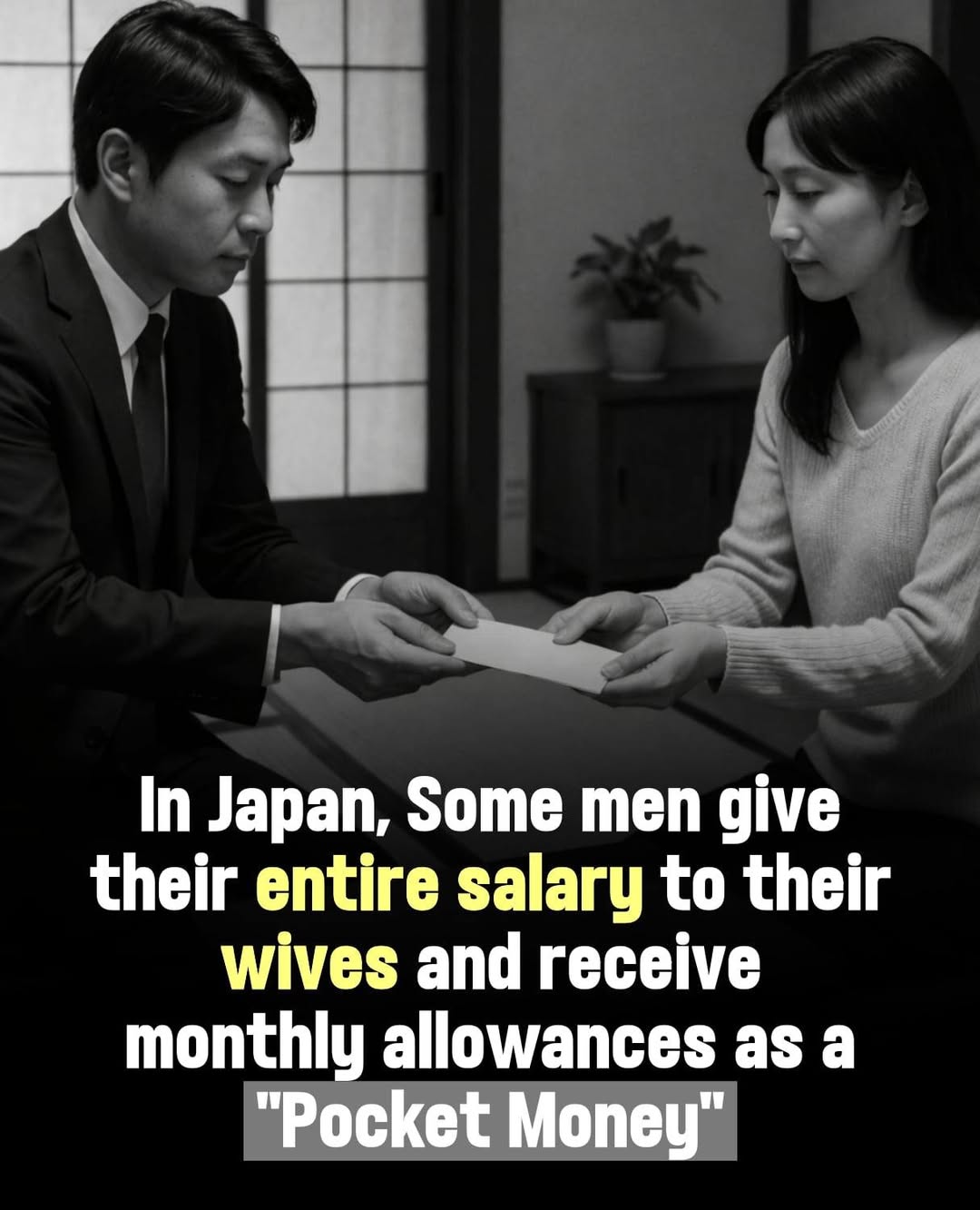
  • In Japan, some households follow a tradition where husbands give their entire salary to their wives, who manage the family finances.
    The husband then receives a monthly allowance called “okozukai,” often used as personal pocket money.

    Surveys by organizations like Shiruporuto show this practice still exists today.
    It reflects a long-standing cultural norm built on financial trust and shared household responsibility.
    In Japan, some households follow a tradition where husbands give their entire salary to their wives, who manage the family finances. The husband then receives a monthly allowance called “okozukai,” often used as personal pocket money. Surveys by organizations like Shiruporuto show this practice still exists today. It reflects a long-standing cultural norm built on financial trust and shared household responsibility.
    Like
    Love
    Wow
    3
    · 0 Comments ·0 Shares ·518 Views ·0 Reviews
More Results