


New Theory Could Dramatically Expand the Search for Aliens
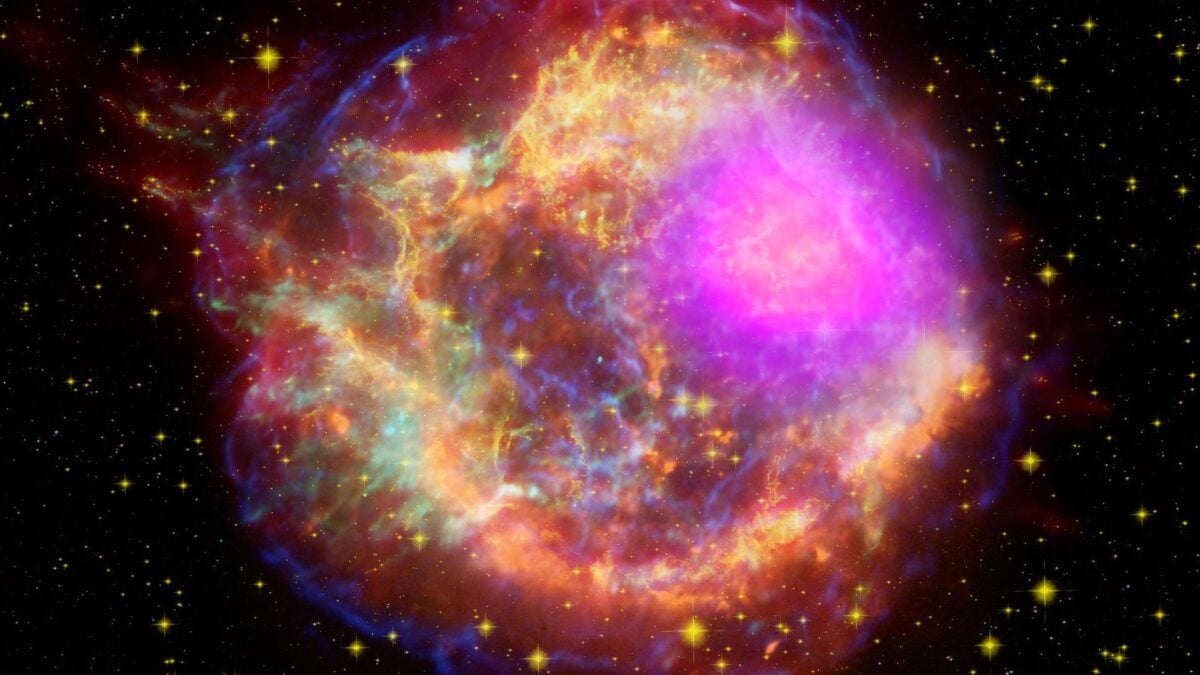
The search for alien life is largely centered on finding planets in the “Goldilocks Zone”—the distance from a star where a planet could have liquid water on its surface and enough light to sustain life. But a new study offers a tantalizing possibility that other worlds, far from their host stars, may also be able to support living things, a finding that could dramatically broaden the search for extraterrestrial life.
In a paper published last week in the International Journal of Astrobiology, researchers describe how cosmic rays—high-speed beams of particles pinging across the universe—could carry enough energy to sustain life. These rays can penetrate deep into the interior of planets far from their host stars, where they could strike underground reservoirs of water. The impact from the rays would split the water particles, releasing electrons in a process called radiolysis.
Certain microbes that are known to survive in dark, cold environments on Earth sustain themselves using this mechanism. If alien life could survive on radiolysis, as the findings suggest, then astronomers may need to reevaluate what is considered the habitable zone.
Led by New York University Abu Dhabi’s Center for Astrophysics and Space Science, the researchers ran computer simulations to determine how different levels of cosmic ray exposure might influence the surfaces of three cold bodies in our solar system: Mars, Enceladus (one of Saturn’s moons), and Europa (a moon of Jupiter).
Specifically, they wanted to see whether cosmic rays could trigger radiolysis there, and especially on the two moons, as astronomers have long believed they could have water below their icy surfaces.
The team found that Enceladus was the most promising candidate for sustaining life via radiolysis, although the simulations suggested that all three bodies could support some level of radiolysis, according to the paper. The researchers suggest that astronomers should expand what they think of as the habitable zone, dubbing this larger arena the Radiolytic Habitable Zone.
“This discovery changes the way we think about where life might exist,” lead study author Dimitra Atri said in a statement. “Instead of looking only for warm planets with sunlight, we can now consider places that are cold and dark, as long as they have some water beneath the surface and are exposed to cosmic rays. Life might be able to survive in more places than we ever imagined,” he added.


Categories
Read More
Điều kiện mua bán nhà đất Khoản 1 Điều 45 Luật Đất đai 2024, người chuyển nhượng, tặng cho quyền sử dụng đất phải có đủ các điều kiện sau: Có Giấy chứng nhận quyền sử dụng đất hoặc Giấy chứng nhận quyền sở hữu nhà ở và quyền sử dụng đất ở hoặc Giấy chứng nhận quyền sử dụng đất, quyền sở hữu nhà ở và tài sản khác gắn liền với đất hoặc Giấy chứng nhận...

Từ ngày 1/7/2025, Việt Nam sẽ chính thức áp dụng mô hình chính quyền địa phương 2 cấp, theo Đề án sắp xếp và tổ chức lại đơn vị hành chính các cấp đã được Chính phủ phê duyệt tại Quyết định số 759/QĐ-TTg. Một trong những thay đổi lớn nhất là việc xóa bỏ cấp hành chính trung gian (cấp huyện), chỉ còn cấp tỉnh và cấp xã (gồm xã, phường, đặc khu). Cùng...

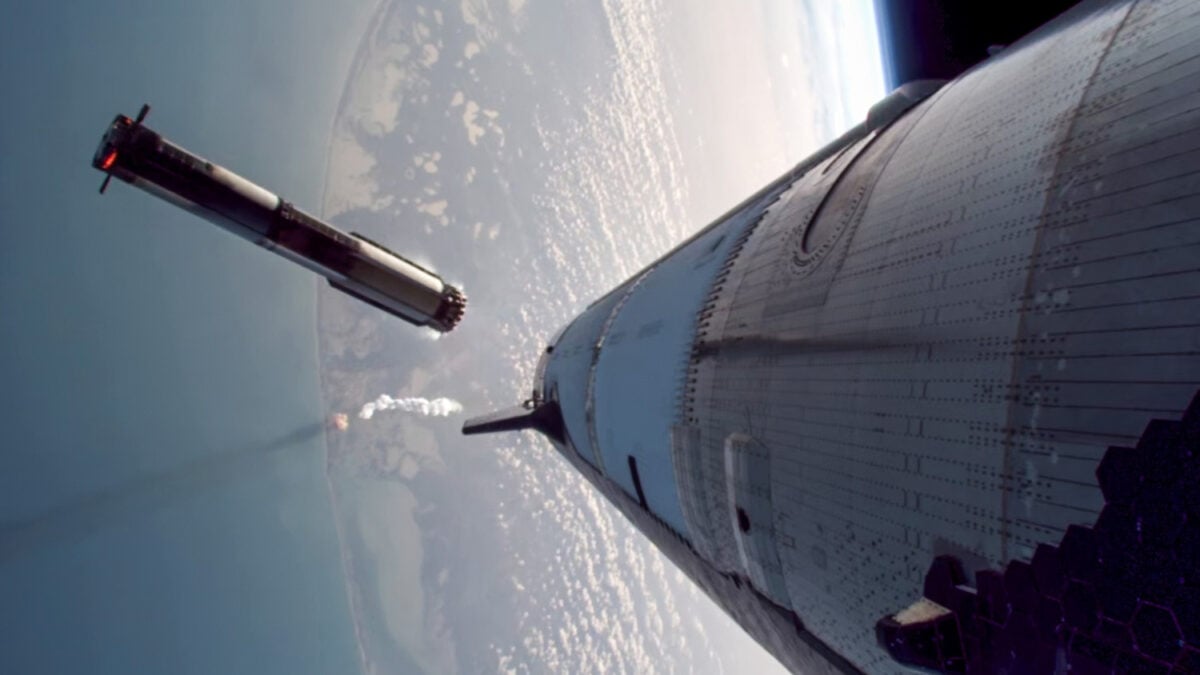
Elon Musk’s obsession with colonizing Mars is polluting Earth. As SpaceX seeks to ramp up its launches of Starship, it’s also expanding its splashdown area where pieces of the rocket are allowed to litter the Pacific Ocean. A recent expansion threatens marine wildlife surrounding a sacred island in native Hawaiian tradition. The Federal Aviation...
Các game thủ Candy Crush Saga có thể trúng tới 25 tỷ?Chắc hẳn, Candy Crush Saga đã không còn là cái tên xa lạ với cộng đồng game thủ. Từ khi ra mắt cách đây hơn một thập kỷ, tựa game này đã trở thành hiện tượng toàn cầu, thu hút hàng triệu người chơi nhờ lối chơi đơn giản nhưng cực kỳ gây nghiện.Chỉ cần mở điện thoại lên, truy cập vào ứng dụng và tìm kiếm bất cứ màn chơi nào, game thủ đã có...

Ingredients:2 cups heavy cream1 cup whole milk¾ cup granulated sugar, dividedPinch of salt5 large egg yolks1 teaspoon pure vanilla extract3 ripe bananas, mashed1 tablespoon lemon juice1 cup Nilla Wafers, crushed, plus more for garnishOptional: whipped cream, for servingInstructions:Prepare the Base:In a medium saucepan, combine the heavy cream, whole milk, ½ cup of the granulated...
