Travelers Are Unknowingly Smuggling Invasive Ticks Into the U.S.
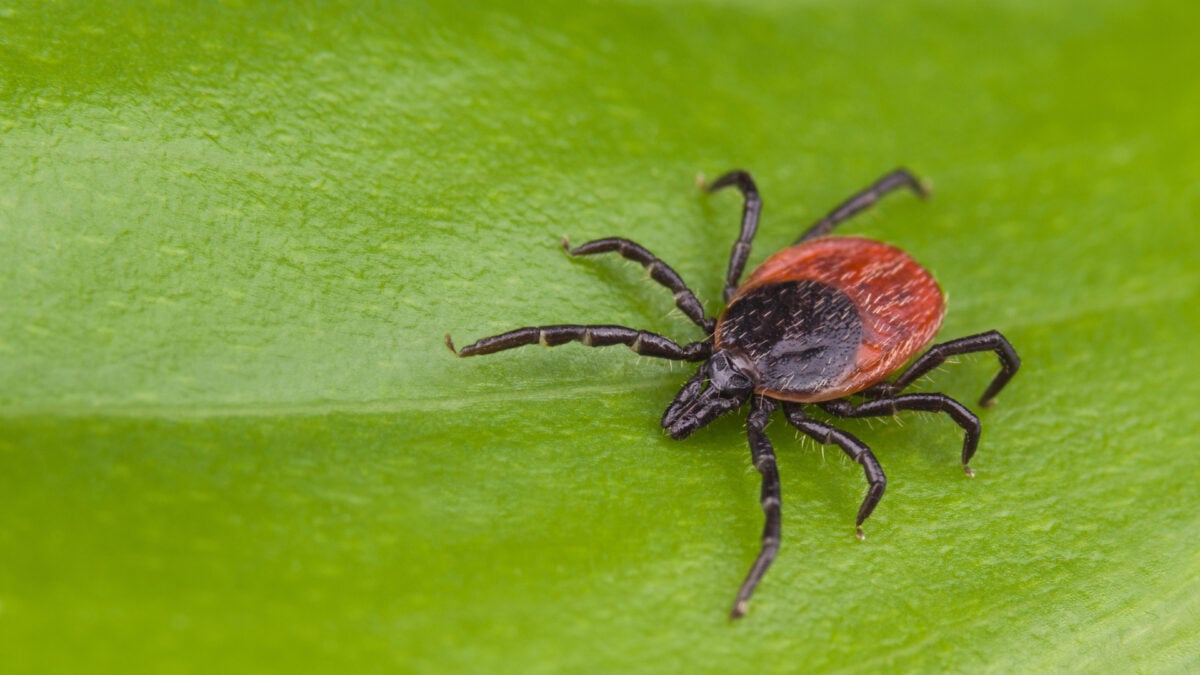
Here’s an important tip for international travelers coming back home: Be sure to check for any blood-sucking creepy-crawlies attached to you. In a study out today, health experts warn that exotic, potentially disease-carrying ticks are regularly entering the U.S. by hitching a ride onto returning Americans.
Tick scientists in Connecticut conducted the research, published Friday in the journal iScience. They detailed seven separate cases of nonnative ticks entering the state via travelers in recent years, some of which carried possible germs. These introductions are likely happening all across the country, not just Connecticut, and are a serious public health concern, the researchers say.
“Each one of these ticks could potentially pose substantial health risk to the travelers as well as to the country,” study author Goudarz Molaei, a scientist at the Connecticut Agricultural Experiment Station’s Center for Vector Biology & Zoonotic Diseases, told Gizmodo. “If any one of them ends up released into the environment unintentionally, there is a potential they could start establishing populations and expanding.”
As part of their job, Molaei and his colleagues help identify ticks brought to them by the public, particularly human-biting and disease-causing ticks. And while most of these cases are caused by native species, they’ve occasionally come across nonnative ticks, too. Ticks and the diseases they spread have become a growing issue in the U.S., thanks partly to a warmer climate. These same conditions might also make it easier for invasive species to gain a foothold here, so the researchers wanted to highlight some of the exotic cases they’ve documented over the years.
They describe seven nonnative tick introductions into Connecticut between 2019 and 2023. The ticks originated from Central America, Africa, and Europe. Two of the ticks, both members of the species Amblyomma mixtum, carried the bacteria Rickettsia amblyommatis.
R. amblyommatis is related to known tickborne germs, including those responsible for Rocky Mountain spotted fever, and it’s suspected to possibly cause disease in people as well. Outside of its human impact, A. mixtum ticks are dangerous to livestock, too, capable of causing massive infestations and spreading other diseases. Some of the other ticks they identified, such as Ixodes ricinus, also carry human diseases in their native environment, such as Lyme-causing bacteria.
And just this month, Molaei and his team helped out on a new case of a nonnative tick within the state. The person carrying the tick became sick, and their doctors were at first perplexed on how to even deal with the situation, according to Molaei. Fortunately, the team directed them to a lab that could perform the proper testing, and the patient ultimately recovered.
Molaei notes that since Connecticut isn’t a huge travel hub, it’s likely the risk of nonnative tick introductions is higher in other areas of the U.S. There are lots of places in the country where these and other exotic ticks could make a new home if given the opportunity, he added. Many states are also much less equipped to even detect these potential cases, according to Molaei, further raising the odds of new species and diseases sneakily establishing themselves in the U.S.
This isn’t a hypothetical risk either—it’s already happened. In 2017, researchers in New Jersey discovered the arrival of the Asian longhorned tick (Haemaphysalis longicornis) to the area. Despite efforts to curtail its presence, the tick has since spread to nearly half of the country and has become a serious threat to livestock (though they can carry and spread human diseases as well). It’s unknown how the Asian longhorned tick found its way here, though it may have ridden along with a human or animal traveler.
The researchers argue that more resources are needed to surveil and mitigate these invasive tick threats. These efforts should include increased monitoring of agricultural goods being brought into the U.S., along with improved education on identifying potentially exotic ticks. People in general should also be more aware of how to prevent and detect tick bites, especially when they’re traveling.
“Travelers should remain alert. And they have to realize that apart from themselves being at risk of contracting tick-borne diseases when they are traveling, there are the unintentional consequences of these things that are arriving here,” Molaei said. “A proper tick check is of importance, particularly before people get on a plane. And they have to carefully inspect their luggage and their clothing before they get on board.”
For their part, Molaei and his team will continue to keep a close eye out for ticks, both native and exotic, in their state.


Kategorien
Mehr lesen
Điều 33, Nghị định 168/2024/NĐ-CP quy định về xử phạt hành khách đi xe vi phạm quy định về trật tự, an toàn giao thông. Theo đó, phạt tiền từ 100 - 200 nghìn đồng đối với một trong các hành vi: Không chấp hành hướng dẫn của lái xe, nhân viên phục vụ trên xe về các quy định bảo đảm trật tự, an toàn giao thông; Gây mất trật tự trên xe. Phạt tiền từ 1 -...
What if you could fix your damaged eye without having to shoot a laser at it? Scientists have potentially discovered a novel method of repairing the cornea, similar to LASIK, that wouldn’t require a laser or other invasive surgical tool. Researchers at Occidental College and the University of California, Irvine, created the technique, which aims to...

Những trường hợp được hoàn trả tiền đóng BHYT năm 2025 Điều 20 Văn bản hợp nhất số 2525/VBHN-BHXH ngày 15/8/2023 của BHXH Việt Nam quy định về 3 trường hợp những người tham gia BHYT sẽ được hoàn tiền, cụ thể như sau: Trường hợp 1: Người tham gia được cấp thẻ BHYT theo nhóm đối tượng mới, nay báo giảm giá trị sử dụng thẻ đã cấp trước đó Điều kiện để...

Vingroup rót 7,5 tỷ USD vào Hải Phòng Giữa tháng 7 vừa qua, tại Hội nghị xúc tiến đầu tư thành phố Hải Phòng, UBND thành phố đã trao Giấy chứng nhận cho 32 dự án và 7 bản ghi nhớ hợp tác với tổng vốn đầu tư hơn 15,6 tỷ USD. Những dự án này tập trung vào các lĩnh vực: phát triển hạ tầng khu công nghiệp; hạ tầng cảng biển - logistics; năng lượng; sản...

Sau khi sáp nhập với tỉnh Quảng Nam, thành phố này đã vươn lên trở thành địa phương có diện tích lớn nhất trong 6 thành phố trực thuộc Trung ương, đồng thời sở hữu trữ lượng vàng đứng đầu cả nước. Thành phố của những danh hiệu và sự công nhận Nhiều năm liền, Đà Nẵng liên tục dẫn đầu trong các bảng xếp hạng về đô thị đáng sống tại Việt Nam. Năm 2018,...