Wild Pigs in California Are Turning Neon Blue on the Inside, Officials Warn
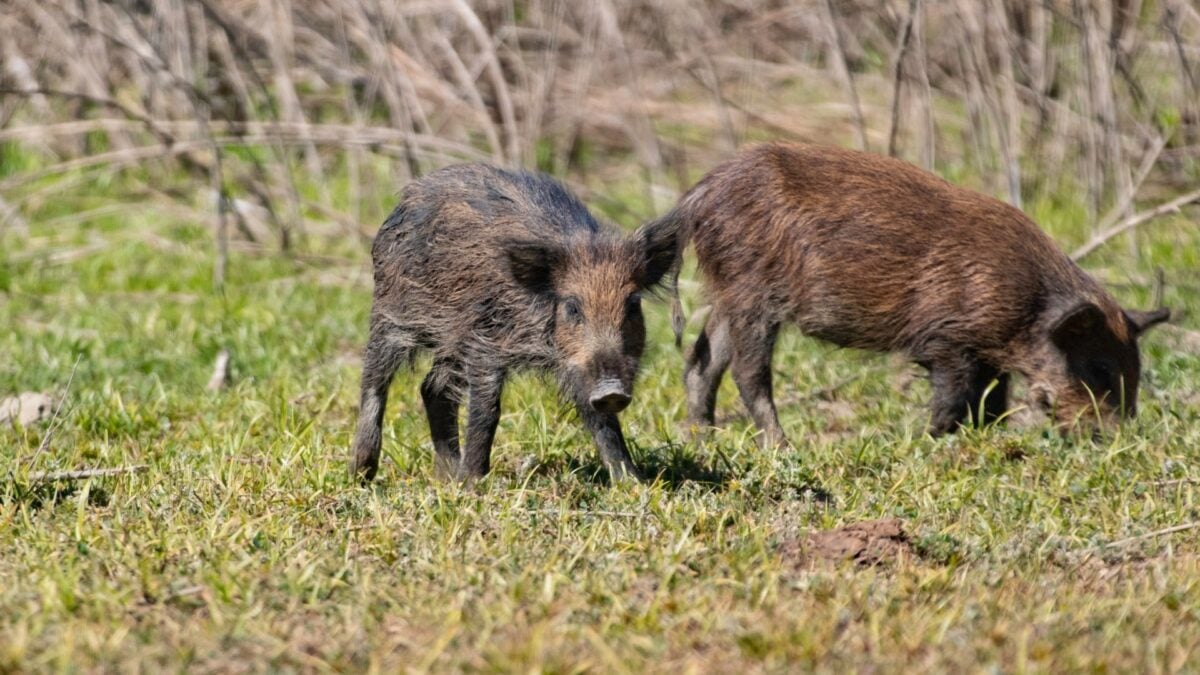
Unexpected exposure to rodenticide is turning California’s wild pigs blue, state authorities say.
“I’m not talking about a little blue,” Dan Burton, owner of a wildlife control company in Salinas, California, told The Los Angeles Times. “I’m talking about neon blue, blueberry blue.”
Burton was one of the first trappers to discover that local wild pigs had turned blue on the inside. A subsequent investigation by the California Department of Fish and Wildlife (CDFW) found that the pigs had consumed the anticoagulant rodenticide diphacinone, a poison used by farmers to control populations of unwanted rats, mice, squirrels, and other small animals. These substances often contain dye to identify them as poison, the CDFW reported, which likely explains how the pigs ended up with blue-colored muscle and fat.

Burton’s own investigations found that the poisoned pigs seemed to be frequenting squirrel bait stations, which local farmers were using to control the squirrel populations targeting their crops. However, since the poisoned bait had tiny doses of diphacinone, the pigs, despite turning blue, weren’t outwardly acting sick.
Eating animals poisoned by this rodenticide could result in secondary exposure to the poison, the CDFW said. As such, the agency is warning hunters to not consume any wild animals with signs of blue contamination and to report any sightings of such animals to officials. Overall, the agency advised hunters to exercise extra caution around areas with rat control programs, as it is also possible that exposed animals may not necessarily be blue.
“Hunters should be aware that the meat of game animals, such as wild pig, deer, bear and geese, might be contaminated if that game animal has been exposed to rodenticides,” said Ryan Bourbor, pesticide investigations coordinator at CDFW, in the statement.
This isn’t the first time that officials have identified wild pigs poisoned by rat poison. In 2018, a study by the CDFW found traces of rodenticide in about 8.3% of wild pigs spotted lurking around agricultural or residential areas with rat control programs. Other research from 2011 and 2023, respectively, found that cooking meat poisoned with diphacinone did not eliminate the contamination, and people and animals that consume the meat can exhibit signs of rodenticide poisoning, such as lethargy.
In 2024, California prohibited the use of diphacinone, with exceptions for specific instances at certified sites, as part of legislation meant to protect wildlife from unintentional poisoning. CDFW is asking anyone who encounters wild animals with blue fat or tissues to report their sightings to the agency at [email protected] or (916) 358-2790.


Categorias
Leia mais
Trưa 1/8, Sơn Tùng M-TP gây bão cõi mạng khi chia sẻ bộ ảnh tập gym mới toanh. Nam ca sĩ diện 3 lỗ bó sát khoe rõ phần bắp tay rắn chắc, cơ vai lộ rõ đường nét và loạt hình xăm cá tính. Đặc biệt, phần cơ tay sau khi đẩy máy và nâng tạ đều hiện lên rõ ràng, chứng minh quá trình tập luyện không phải ngày một ngày hai. Ở nhiều góc ảnh, Sơn Tùng còn tranh...

Blanquette de Saint-Jacques aux ChampignonsIngredients:500g scallops (cleaned and patted dry)200g mushrooms (button or cremini, sliced)1 small onion (finely chopped)2 cloves garlic (minced)2 tbsp butter2 tbsp olive oil1/2 cup dry white wine (optional but adds great flavor)1 cup heavy cream1 cup chicken broth1 tbsp flour (for thickening)1 tsp lemon juice1 tbsp fresh parsley (chopped)Salt &...

Got 3 minutes to spare?3-Minute Devotional from the Bestselling Too Blessed to be Stressed--Now Available in a Lovely Journal!180 uplifting readings alongside journaling space from bestselling author Debora M. Coty pack a powerful dose of comfort, encouragement, humor, and inspiration into your day.Minute 1: scripture to meditate onMinute 2: a short devotional readingMinute 3: a prayer to...

Đây là thương hiệu uy tín do ông Hoàng Kim Khánh và bà Phan Thị Mai đồng sáng lập. Với sứ mệnh mang đến vẻ đẹp tự nhiên, an toàn, bền vững, Mailisa không ngừng cải tiến công nghệ, đầu tư hệ thống trang thiết bị hiện đại và xây dựng đội ngũ bác sĩ, y tá giàu kinh nghiệm nhằm mang đến dịch vụ tốt nhất cho khách hàng. Hiện tại, Mailisa Thành phố Hồ Chí...

Mở rộng trồng loại cây từng bị cho là "nhàn mà không có ăn" Làng Trô (xã Giao An, huyện Lang Chánh, Thanh Hóa) từng là vùng đất hoang vắng, đất đai bạc màu, người dân sống nhờ cây trồng truyền thống nhưng đầu ra bấp bênh. Vài năm trở lại đây, nơi đây đã khoác lên màu xanh của hàng vạn gốc cau nhờ sự tiên phong của ông Hà Văn Dũng, nông dân người Mường...