


The Bizarre Biological Trick That Makes Mollusk Teeth Tougher Than Steel
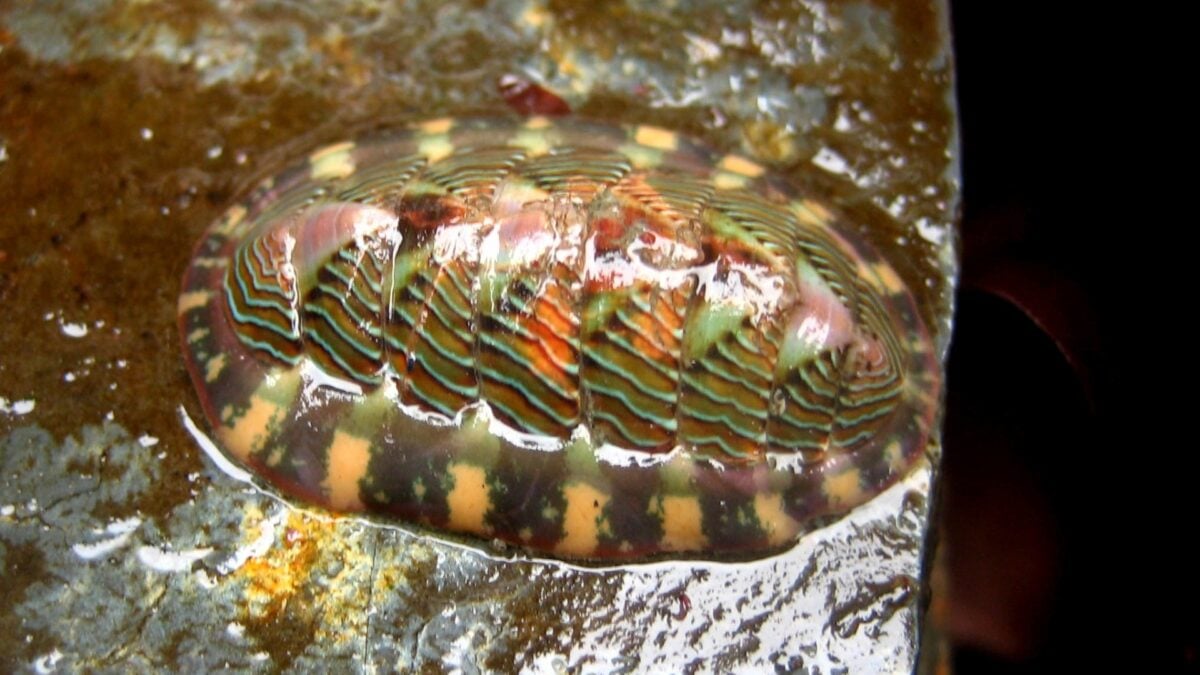
At first glance, chitons look like any other mollusk: round, bashful creatures creeping across seashore rocks. Flip one over, however, and you’ll notice rows of freakishly sharp, polished teeth—indestructible, multi-purpose chompers that researchers are seeking to replicate for the next breakthrough in material science.
A new study published August 7 in Science presents a detailed investigation into what makes chiton teeth so strong and durable. By analyzing chiton anatomy, the team found a remarkably precise, consistent stream of iron-binding proteins that resulted in dental structures “superior to materials used in industrial cutting tools, grinding media, dental implants, surgical implants, and protective coatings,” paper co-author David Kisalilus explained in a statement. Even more impressive is the fact that, unlike human-made materials, chitons produce their teeth at room temperature with nanoscale precision, he added.
The new paper lays out the underlying mechanisms of this process, which the researchers believe could inform future advances in the fabrication of advanced materials. “We can learn a lot from these biological designs and processes,” said Kisalius, a materials scientist at the University of California.
Kisalius collaborated with research partners in Japan to study larger types of chitons found in the northwest United States and the coasts of Hokkaido, Japan. They identified a protein, RTMP1, which is unique to chitons and enables the deposition of iron onto the mollusks’ teeth. Scientists knew that this allowed chitons to scrape off stubborn bits of algae from rock, but it was unknown how and when these proteins interacted with chiton teeth.
Using tools from both material science and molecular biology, the researchers built the protein’s itinerary through chiton anatomy “from the ground up,” Kisalilus explained. First, RTMP1 travels through nanoscopic tubes leading out from each tooth, then binds to compounds that control the architecture of magnetite, a type of iron oxide. At the same time, the protein releases the iron stored in ferritin, another protein found in the tissues near chiton teeth. As a result, the new teeth grow into neat rows of ultrahard structures that also grow back after a certain amount of wear.
The results demonstrate a fantastic opportunity for humans to learn from nature. Further investigations into chiton teeth could inform “spatially and temporally controlled synthesis of other materials for a broad range of applications, such as batteries, fuel cell catalysts, and semiconductors,” Kisailus said, in addition to “new approaches toward additive manufacturing—3D printing—and synthesis methods that are far more environmentally friendly and sustainable.”
Those are perhaps grand expectations for a creature as visually unassuming as the chiton. Then again, these mollusks look extra metal when flipped over (both literally and figuratively). So who knows? Maybe chiton dental steel will truly be the next big thing in materials science.


Categorieën
Read More
Mongolian Noodles with Ground Beef Savor the delicious flavors of these Mongolian Noodles with Ground Beef! This quick and easy dish is perfect for a weeknight dinner and packed with savory goodness. Let’s get cooking! Ingredients:8 oz ramen noodles (or any thin noodles)1 lb ground beef3 cloves garlic, minced1/4 cup soy sauce1/4 cup hoisin sauce2 tablespoons brown sugar1...

3 trường hợp nào người dân bị ảnh hưởng khi bảng giá đất tăng cao phải kể đến là: Trường hợp xin chuyển đổi mục đích sử dụng lên đất ở Theo quy định, chi phí chuyển đất nông nghiệp sang đất thổ cư bao gồm: Tiền sử dụng đất khi chuyển mục đích sử dụng đất sang đất ở; Lệ phí cấp Giấy chứng nhận; Lệ phí trước bạ; Phí thẩm định hồ sơ. Tương tự làm...
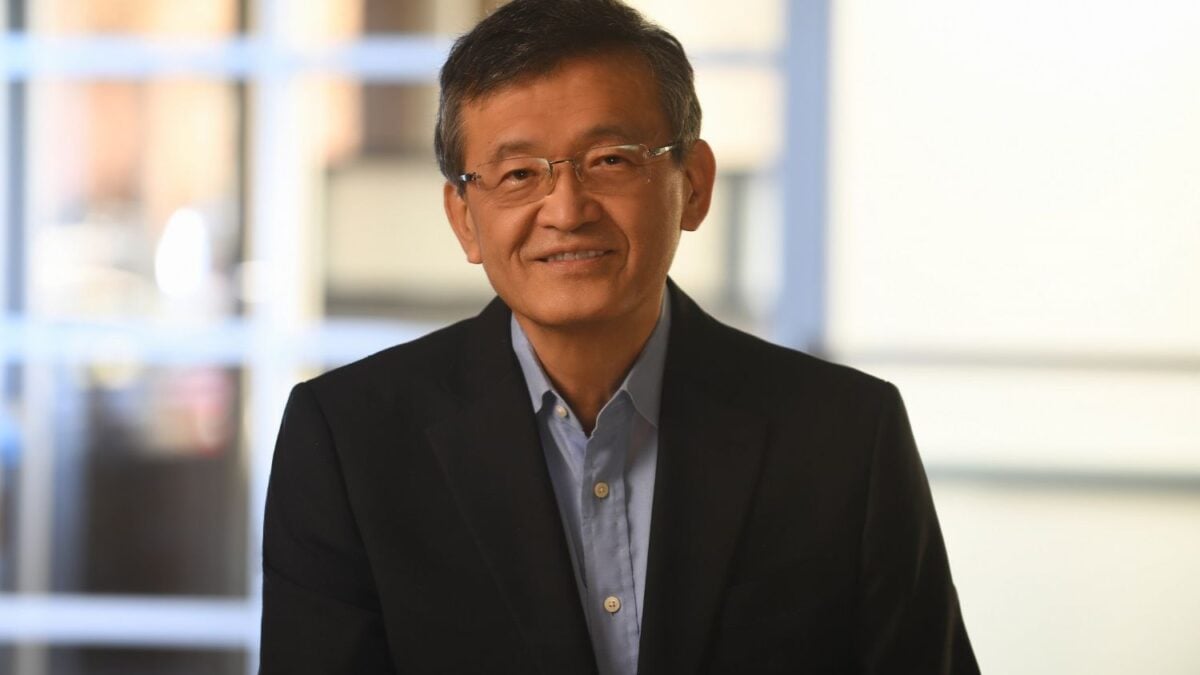
President Donald Trump this morning called for the immediate resignation of Intel CEO Lip-Bu Tan, alleging he has conflicts of interest. This latest setback for the struggling computer chip company couldn’t have come at a worse time, as Intel is in the middle of attempting a comeback. “The CEO of INTEL is highly CONFLICTED and must resign,...
Tuổi Thìn: Thiên vận động mạnh mẽ, người quân tử phải không ngừng phấn đấu hoàn thiện bản thân Người sinh năm Rồng có gen mạnh mẽ và tháo vát. Những bậc cha mẹ như vậy thường lấy tấm gương làm gương và diễn giải "dạy bằng gương còn quan trọng hơn lời nói" bằng hành động. Họ sẽ không đăng ký cho con cái học mười môn học sở thích, mà sẽ đưa con cái đi...

Hôm qua vào sáng (12/6), với tuyệt đại đa số đại biểu Quốc hội (461/465) bấm nút tán thành, Quốc hội chính thức thông qua Nghị quyết về việc sắp xếp đơn vị hành chính cấp tỉnh năm 2025. Nghị quyết có hiệu lực thi hành từ ngày được thông qua. Bản đồ hành chính được công bố kèm theo thể hiện cả nước có 34 tỉnh thành gồm 6 thành phố trực thuộc Trung ương...
