


Research Indicates U.S. Infants Lack Essential Gut Microbe, Increasing Allergy Susceptibility

The prevalence of allergies and other chronic diseases is on the rise, with the number of food allergy cases in the U.S. increasing 50% between 2007 and 2021. These allergies can be life-threatening, and understanding their root cause is more important than ever before.
A new study has brought experts closer to doing just that. The findings, published Tuesday, June 24 in the journal Communications Biology, linked the rise of allergies and other chronic conditions such as asthma and eczema to the disappearance of Bifidobacterium from babies’ guts. These bacteria play a crucial role in breaking down breast milk, particularly complex sugars called human milk oligosaccharides (HMOs). A century ago, they were abundant in the microbiomes of breastfed infants, but their prevalence has dwindled among babies in industrialized nations.
Initial results from the My Baby Biome study—a large-scale investigation of infant gut microbiomes in the U.S.—found that roughly 25% of infants lack detectable Bifidobacteria. The researchers suggest this increases their risk of developing noncommunicable diseases.
“It’s in this population where we have low Bifidobacteria or altered Bifidobacteria that we see a very significant increase in risk for non-communicable disease conditions, or atopic disease conditions such as food allergies, eczema, atopic dermatitis and asthma,” said co-author Stephanie Culler, CEO and co-founder of Persephone Biosciences—the San Diego-based biotech company that created the My Baby Biome study.
According to the company, My Baby Biome is one of the largest and most comprehensive investigations of infant guts in the U.S. to date. This longitudinal study aims to monitor the gut microbiomes and health outcomes of hundreds of infants over seven years. The findings published Tuesday come from the study’s first two years, during which researchers collected and analyzed stool samples from 412 infants aged four weeks to 12 weeks who were “representative of U.S. demographic diversity.”
The researchers found that 76% of U.S. infant guts had deficient levels of Bifidobacteria, and 25% had no detectable Bifidobacteria. These bacteria play a critical role in infant health and development, particularly when it comes to protecting babies from chronic illness. Multiple studies suggest Bifidobacterium has been disappearing from infant microbiomes for decades largely due to dietary changes, cesarean sections, antibiotic use, and sanitation. This trend coincides with a rise in noncommunicable diseases, according to the researchers.
The fact that a quarter of the infants showed a total lack of Bifidobacterium may sound staggering, but Jack Gilbert, a professor of pediatrics at the University of California San Diego, was actually surprised by how low that number was. Some previous estimates suggest that 50% to 60% of U.S. infants lack one type of Bifidobacterium called B. longum infantis, he told Gizmodo in an email. This subspecies is known for its ability to digest HMOs.
From the 412 participants, the researchers received 210 follow-up health surveys at two years of age. Among these babies, 30% had an adverse health outcome, with 12.4% reporting allergies, 21.0% reporting eczema or dermatitis, and 3.3% reporting asthma. Statistical analysis revealed that babies with deficient levels or a total lack of Bifidobacteria—who made up 76% of the participants—were at greater risk of developing chronic immune conditions. What’s more, the researchers found thatinfant Bifidobacterium has a protective effect, reducing relative risk in the population.
This isn’t the first study to link deficient infant Bifidobacterium to increased risk of chronic immune conditions, Gilbert said. Previous studies have shown that when these bacteria digest HMOs, they shape gut microbiome dynamics that help train immune system responses, he explained. Additionally, nutrients produced by the breakdown of breast milk sugars support the development of endocrine, neurological, and immunological cells that prevent the immune system from attacking healthy cells, he added.
Investigating the role that infant microbiomes play in the rise of noncommunicable diseases “is central to the health of our population,” Gilbert said.
Culler agrees. Over the next several years of the My Baby Biome study, she and her colleagues will work to understand the health outcomes that arise from Bifidobacteria-deficiencies over time, probing their impact on neurological disorders, obesity, and even diabetes risk. Unlocking the microbial mechanisms behind these conditions could lay the groundwork for better interventions, she said.


Categorii
Citeste mai mult
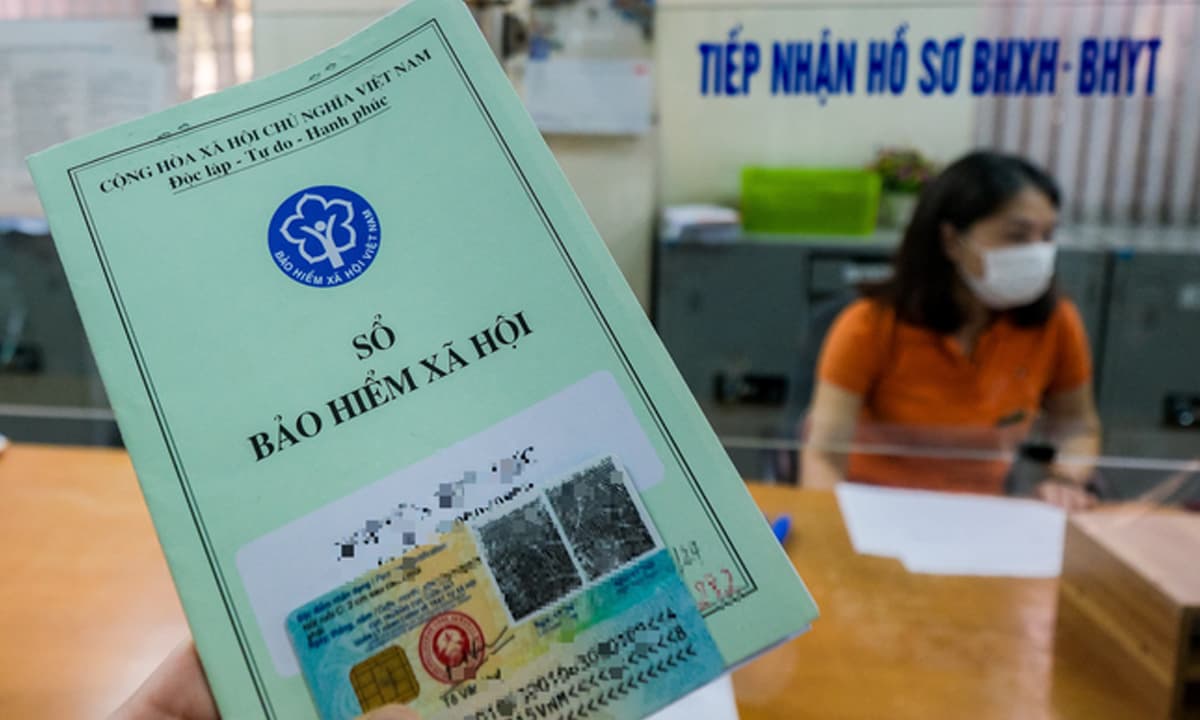
Chủ hộ kinh doanh cá thể phải tham gia BHXH Mới đây, Bảo hiểm xã hội (BHXH) Việt Nam cho biết, theo quy định của Luật BHXH 2024 (có hiệu lực từ ngày 1/7/2025), diện tham gia BHXH bắt buộc sẽ được mở rộng với nhiều nhóm đối tượng, trong đó bao gồm chủ hộ kinh doanh cá thể. Trước đó, theo Luật BHXH 2014 (vẫn còn hiệu lực đến ngày 30/6/2025), chủ hộ...
Theo đó, mỗi cá nhân thuộc đối tượng được hưởng sẽ nhận được mức hỗ trợ cố định là 5.000.000 đồng mỗi tháng. Khoản hỗ trợ này sẽ được chi trả cùng kỳ lương hàng tháng và kéo dài cho đến thời điểm thực hiện cải cách chính sách tiền lương theo chủ trương mới. Tuy nhiên, điều đáng chú ý là khoản hỗ trợ này không dùng để tính đóng hoặc hưởng các chế độ bảo...

Ngày 5-8, Sở Y tế TP HCM vừa có văn bản hướng dẫn các cơ sở y tế thực hiện việc chuyển tuyến khám chữa bệnh bảo hiểm y tế (BHYT) theo quy định tại Thông tư số 01/2025/TT-BYT của Bộ Y tế quy định chi tiết và hướng dẫn thi hành một số điều của Luật Bảo hiểm y tế Sở Y tế TP HCM đề nghị tất cả các cơ sở khám chữa bệnh công lập và ngoài công lập trên địa...
Every year, pollen seasons grow longer and more intense—to the great misery of those suffering from pollen allergies—myself included. There’s only so much one can do with antihistamines or hot towels, and no amount of protective measures—masks, firmly shut windows, you name it—appears to offer any protection from the endless sneezing, runny noses,...

Chị Lê Thị Vinh ở quận Nam Từ Liêm (Hà Nội) thuê người giúp việc nhiều năm nay. Hiện hàng tháng gia đình chị trả cho người giúp việc với mức lương 8,5 triệu đồng. Tuy nhiên, người giúp việc trong gia đình chị không tham gia BHXH tự nguyện nên mỗi lúc ốm đau gia đình chị phải đưa đi khám, lấy thuốc uống cũng khá tốn kém. Trường hợp nếu quy định không...
