Exciting Update: Caffeine Could Enhance Cellular Longevity!

As if we needed any other reason to drink coffee or tea, new research provides insight into how caffeine supports health and longevity.
Researchers in London studying fission yeast—a single-celled organism similar to human cells—have revealed that caffeine impacts aging via an ancient cellular energy system. Their study, published yesterday in the journal Microbial Cell, bolsters previous research suggesting that caffeine reduces the risk of age-related diseases and carries important implications for future longevity research. Plus, it gives you a good comeback next time your partner tells you you’re drinking too much coffee.
While most people think of caffeine within the context of coffee or tea, it is a naturally occurring central nervous system stimulant found in coffee beans, tea leaves, cocoa beans, kola nuts, and more. Perhaps unsurprisingly, caffeine is the most widely used psychoactive stimulant in the world.
While the energy boost our cup of Joe delivers each morning is enough for most of us to justify its daily consumption, caffeine has also been associated with a number of health benefits, such as depression relief, longer lifespan, and a lower risk of cardiovascular disease and type 2 diabetes.
The team had previously discovered that caffeine promotes lengthier cell lives by influencing TOR (Target of Rapamycin)—a biological switch that instructs cells when to grow given the availability of food and energy. More broadly, the growth regulator manages the energy and stress responses of living things. In the new study, however, the team found that caffeine actually impacts TOR indirectly by activating a system called AMPK, essentially a sort of cellular fuel gauge, as described by a Queen Mary University of London statement.
“When your cells are low on energy, AMPK kicks in to help them cope,” Charalampos Rallis, senior author of the study and a researcher at Queen Mary University of London’s Research Centre of Molecular Cell Biology, said in the statement. “And our results show that caffeine helps flip that switch.”
Rallis and his colleagues used the yeast model to demonstrate that caffeine’s influence on AMPK positively affects functions related to aging and disease, such as cell growth, DNA repair, and stress response.
“These findings help explain why caffeine might be beneficial for health and longevity,” said John-Patrick Alao, lead author of the study and a biochemist at the University of East London. “And they open up exciting possibilities for future research into how we might trigger these effects more directly—with diet, lifestyle, or new medicines.”
Coffee and tea lovers, rejoice!


Categories
Read More
Thời tiết vừa bước vào những ngày nắng nóng khi ai cũng tìm giải nhiệt thì Thanh Mèo – cái tên đình đám từng "gây bão" với trend "váy băng keo" lại khiến dân mạng đứng ngồi không yên khi tung bộ ảnh bikini nóng bỏng đến mức… khiến thời tiết cũng phải "xin thua". Hot TikToker khiến dân tình ngơ ngác, ngỡ ngàng và… ngã ngửa trước vóc dáng không góc chết cùng thần thái vừa ngọt ngào...

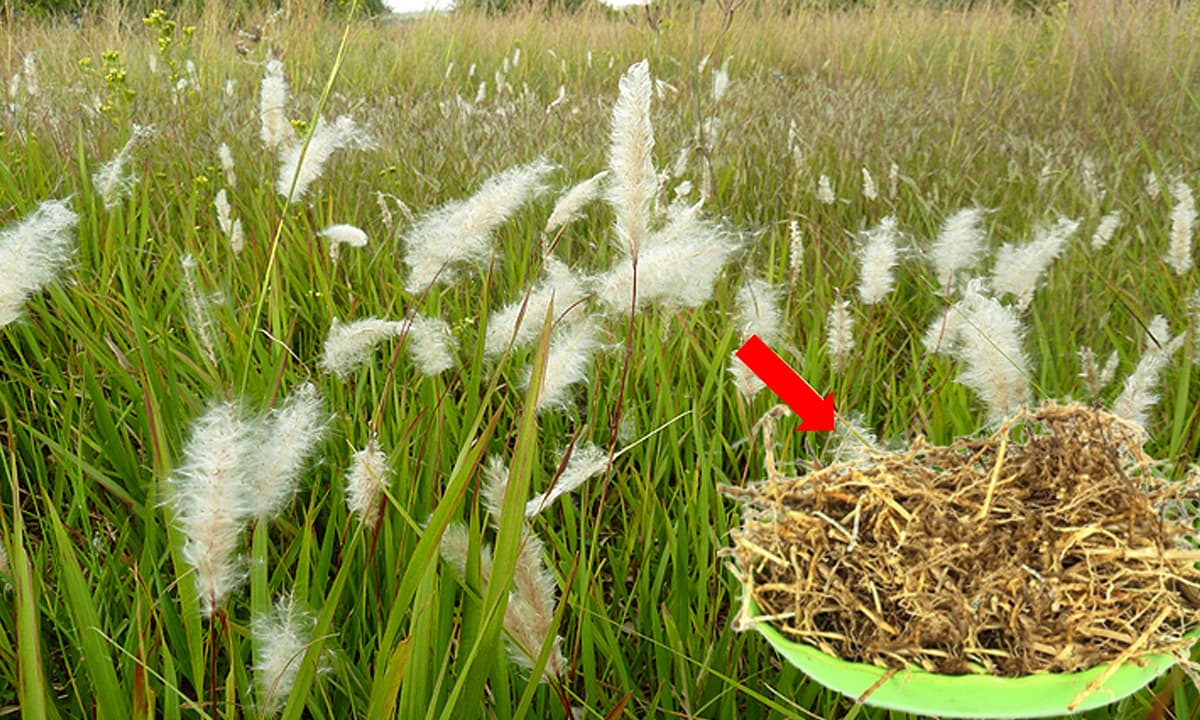
Cỏ tranh được Bộ Y tế công nhận về công dụng Ở Việt Nam cây cỏ tranh, hay còn gọi là cỏ tranh răng, bạch mao căn là một loài thực vật mọc dại rất phổ biến tại các vùng trung du, đồi núi thấp, bãi đất hoang hoặc ven rừng. Cỏ tranh là một trong 70 cây thuốc nam được Bộ Y tế công nhận về công dụng và khuyến khích sử dụng trong các cơ sở y học cổ...
Tháng 6 Âm Lịch này sẽ là một tháng đầy may mắn và tài lộc đối với 4 con giáp được chỉ đích danh bởi thần đồng tiên tri. Theo dự đoán, những người thuộc các tuổi này sẽ có cơ hội thay đổi cThần Đồng Tiên Tri Chỉ Đích Danh: 4 Tuổi Dễ Đổi Đời, Ôm Khối Tài Sản Khủng Trong Tháng 6 Âm Lịch 1. Tuổi Tý: Vận May Tràn Đầy, Đón Nhận Cơ Hội Vàng Trong tháng 6 Âm Lịch, người tuổi Tý sẽ đón nhận những cơ...

Việt Nam xếp thứ 6 trong cách quốc gia có trữ lượng đất hiếm lớn nhất thế giới Théo tóm tắt Hàng hóa Khoáng sản (MCS)" của Cục Khảo sát Địa chất Mỹ (USGS) công bố hồi tháng 3/2025 cho thấy, Việt Nam xếp thứ 6 trong Top 8 quốc gia có trữ lượng đất hiếm lớn nhất thế giới. Với trữ lượng 3,5 triệu tấn đất hiếm, Việt Nam xếp trên Mỹ (1,9 triệu tấn) và...
Modern humanity’s most famous cousins, the Neanderthals, may have had a clever, if unappealing, dietary trick for survival: maggots. Research out today posits these creepy crawly fly larvae provided Neanderthals an ample source of essential nitrogen and fat. Scientists at Purdue University, the University of Michigan, and others conducted the study,...